 Bellingham Exterior
 Exteriors Built for Blaine's Coastal Climate
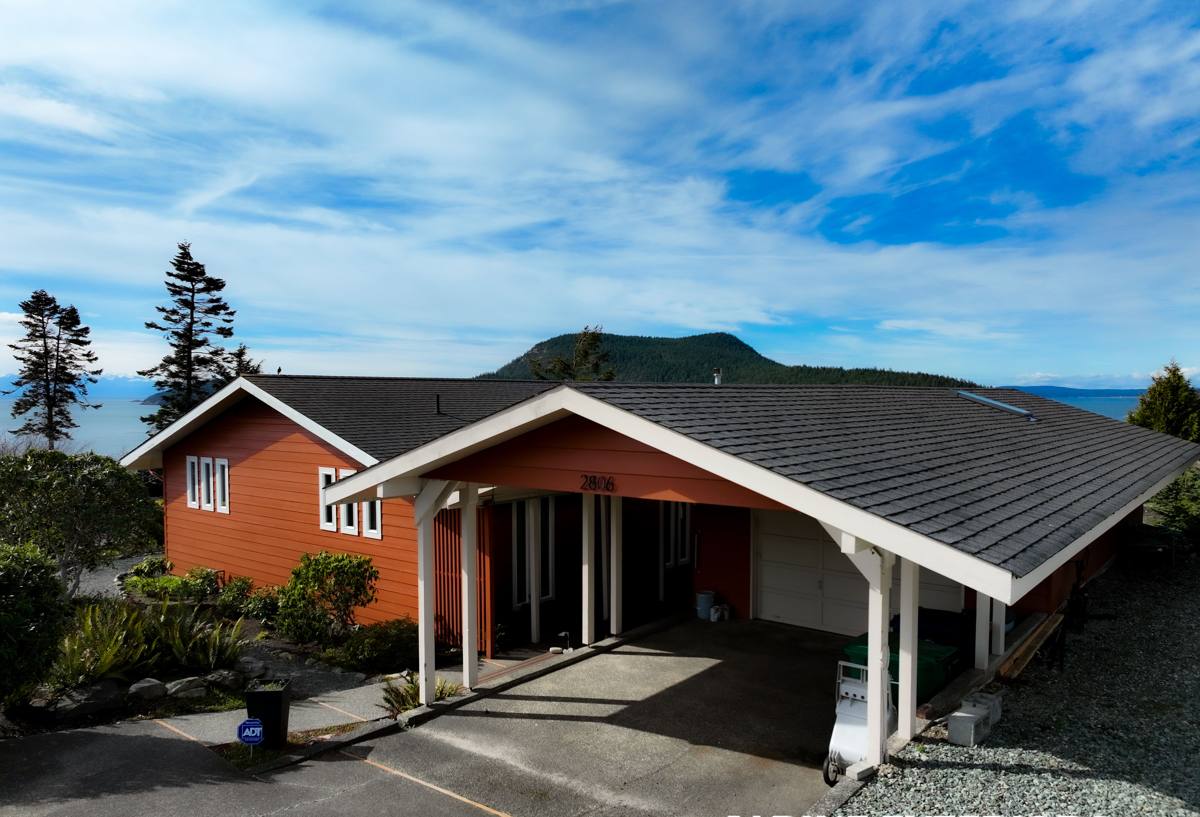
Blaine sits at the northern edge of Whatcom County, right where the Salish Sea, Semiahmoo Bay, and Drayton Harbor meet the Canadian border. That location gives the town a lot of charm and a lot of weather. Homes here deal with salt-laden marine air, wind-driven rain coming off the water, and long stretches of gray, damp months that keep moisture sitting on exterior surfaces far longer than it does even a few miles inland. Bellingham Exterior Contractors works throughout Whatcom County, and Blaine's coastal exposure is one of the more demanding environments we build for. Siding, roofing, windows, and decks all have to be chosen and installed with that exposure in mind, not treated the same way you'd treat a home in a drier, more sheltered part of the state.
What Blaine Homes Face Year-Round
Salt Air and Marine Exposure
Properties close to Semiahmoo Bay, Drayton Harbor, and Boundary Bay live with a fine mist of salt air carried in on the wind, especially during winter storms. Salt is corrosive to fasteners, flashing, and metal trim, and it accelerates the breakdown of finishes that aren't built to handle it. Even homes set back from the water can pick up salt exposure when winter storms push moist coastal air inland.
Driving Rain and Wind-Driven Moisture
Blaine gets plenty of straight-down rain, but the exterior damage that shows up over time more often comes from rain driven sideways by wind off the water. Wind-driven rain finds its way into gaps around trim, window flanges, and siding laps that would stay dry in a calmer climate. Over years, that repeated wetting is what causes rot, staining, and hidden water intrusion behind the wall.
Moss, Mildew, and the Shade Problem
Whatcom County's long, cool, wet season is ideal for moss and mildew growth on roofs, siding, and any shaded or north-facing wall that doesn't dry out quickly. Tree cover, common on many Blaine lots, keeps some sections of a home in shade for much of the day, which extends the time surfaces stay damp after a storm. Materials and coatings that can't tolerate sustained moisture contact start showing green and black staining faster in these conditions than they would in a sunnier climate.
Siding in Blaine: Why We Only Install James Hardie
Bellingham Exterior Contractors installs James Hardie fiber cement siding exclusively. We don't install vinyl, LP SmartSide, Cemplank, Allura, primed spruce, or cedar. That's not a marketing position — it's a standard we hold because of what we've seen these products do, and not do, in exactly the kind of coastal, wet climate Blaine sits in.
Vinyl siding is inexpensive and low-maintenance in mild conditions, but it's a plastic product that expands and contracts with temperature swings, can crack in cold snaps, and isn't a great match for the combination of wind exposure and salt air common on the coast. Wood siding products, whether cedar or primed spruce, need diligent, ongoing maintenance — repainting, caulking, and moisture monitoring — to hold up in a climate where surfaces rarely get a long dry stretch to fully cure between rain events. Engineered wood products like LP SmartSide perform reasonably well when installed and maintained correctly, but they're still wood-based at the core, which means the same moisture sensitivity at cut edges and seams that wood products carry generally.
James Hardie fiber cement siding is non-combustible, dimensionally stable, and engineered specifically for wet climates through Hardie's HZ10 product line, which is built for the kind of moisture-heavy Pacific Northwest weather Blaine sees most of the year. It holds its factory-applied ColorPlus finish far longer than field-painted materials, resists moss and mildew staining better than porous wood surfaces, and comes with a strong, transferable manufacturer warranty. None of that means Hardie is maintenance-free — proper installation, caulking, and paint-line detailing still matter enormously — but it gives Blaine homeowners a material built for the actual conditions their home faces, rather than one that requires constant intervention to keep up with them.
Roofing for Salt Air and Coastal Wind
A roof in Blaine takes a beating from wind gusts off the bay, sustained rain, and the moss growth that comes with shaded, damp conditions. Metal flashing, fasteners, and vents need to be rated for corrosion resistance given the salt content in the air near the water. We pay close attention to underlayment quality and ventilation detailing, since a roof that traps moisture underneath the shingles or panels is a roof that develops rot and moss problems well before its expected lifespan. Regular moss removal and gutter maintenance go a long way toward extending roof life in this climate, and we're happy to talk through what makes sense for your specific roof and tree cover situation.
Windows: Sealing Out Wind-Driven Rain
Window failures in coastal Whatcom County homes are rarely about the glass itself — they're almost always about the flashing and sealing around the window opening. Wind-driven rain pushes water sideways and upward in ways that a poorly flashed window simply can't handle, and once water gets behind a window frame it can sit there for months given how slowly things dry out here. When we replace windows, proper flashing integration with the surrounding siding is just as important as the window unit itself. That's one more reason siding and window work benefit from being planned together rather than treated as separate, disconnected projects.
Decks That Hold Up Near the Water
Decks in Blaine face a rougher combination of conditions than decks further inland: salt air accelerates corrosion on fasteners and hardware, and the extended damp season keeps deck boards wet longer, which speeds up rot in lower-grade lumber and stresses composite products that aren't rated for sustained moisture exposure. Ledger board attachment and flashing at the house connection deserve particular attention, since that's the spot where water intrusion does the most hidden structural damage over time. We build and repair decks with fastener hardware and materials chosen for this exposure, not generic inland specs.
Comparing Siding Materials for Coastal Exposure
Homeowners researching siding options often ask how the materials actually compare once you factor in a climate like Blaine's. Here's an honest breakdown based on how these materials tend to perform in sustained coastal moisture and salt exposure, and what that means for upkeep over time.
| Material | Moisture & Salt Air Behavior | Maintenance Burden | Typical Longevity Factor |
|---|---|---|---|
| James Hardie fiber cement | Non-combustible, engineered for wet climates (HZ10 line), holds factory finish well | Low — periodic caulk and paint-line checks | Long, backed by transferable warranty when installed to spec |
| Vinyl | Can become brittle in cold, prone to warping/cracking under wind and temperature swings | Low, but limited repair options once damaged | Moderate, shorter in high-wind coastal exposure |
| Cedar | Absorbs moisture, needs consistent drying time between rain events | High — regular refinishing, sealing, staining | Variable, heavily dependent on upkeep |
| LP SmartSide / engineered wood | Wood-based core, sensitive at cut edges and seams if moisture gets in | Moderate — installation and sealing quality-dependent | Moderate, dependent on installation care |
| Primed spruce / raw wood boards | Highly moisture-sensitive, needs field-applied protection immediately | High — ongoing painting and monitoring required | Shortest without diligent maintenance |
Why a Local Crew Matters in Blaine
Blaine sits inside Whatcom County's permitting and building code jurisdiction, and a crew that regularly works this specific stretch of coastline knows the wind exposure, drainage patterns, and moss pressure that come with it firsthand. That's different from experience gained inland or in a drier part of the state. A local crew also means someone accountable and reachable if a warranty question or maintenance issue comes up years down the road, not a company that did one job in town and moved on.
What to Look For When Hiring an Exterior Contractor
- Washington state contractor licensing and proof of insurance, verifiable before work starts
- A clear, written scope of work specifying materials, fastener types, and flashing details
- Experience with coastal or marine-exposure projects specifically, not just general remodeling
- Manufacturer certification for the siding system being installed, if applicable
- A willingness to explain trade-offs between materials honestly, not just push the highest-margin option
Signs Your Exterior Needs Attention
Coastal wear often shows up gradually, and it's easy to miss until it's a bigger repair. Watch for these signs on a Blaine property:
- Green or black staining on siding or roofing, especially on shaded or north-facing walls
- Soft or spongy spots on deck boards, railings, or ledger connections
- Peeling or bubbling paint near window frames, a common sign of trapped moisture
- Rust streaking from fasteners, flashing, or hardware
- Moss buildup in roof valleys or along gutter lines
- Gaps or separation at siding seams and corner trim
Getting Started
Whether you're dealing with an aging deck near the water, a roof that's collecting more moss every winter, windows that let in drafts during storms, or siding that's showing its age, we'd rather walk your property and give you a straight assessment than guess from a distance. If you're in Blaine or elsewhere in Whatcom County, we offer free, no-pressure estimates — fill out the form below and we'll take a look and talk through what actually makes sense for your home.