 Bellingham Exterior
 Ferndale's Exterior Climate: What Homes Are Really Up Against
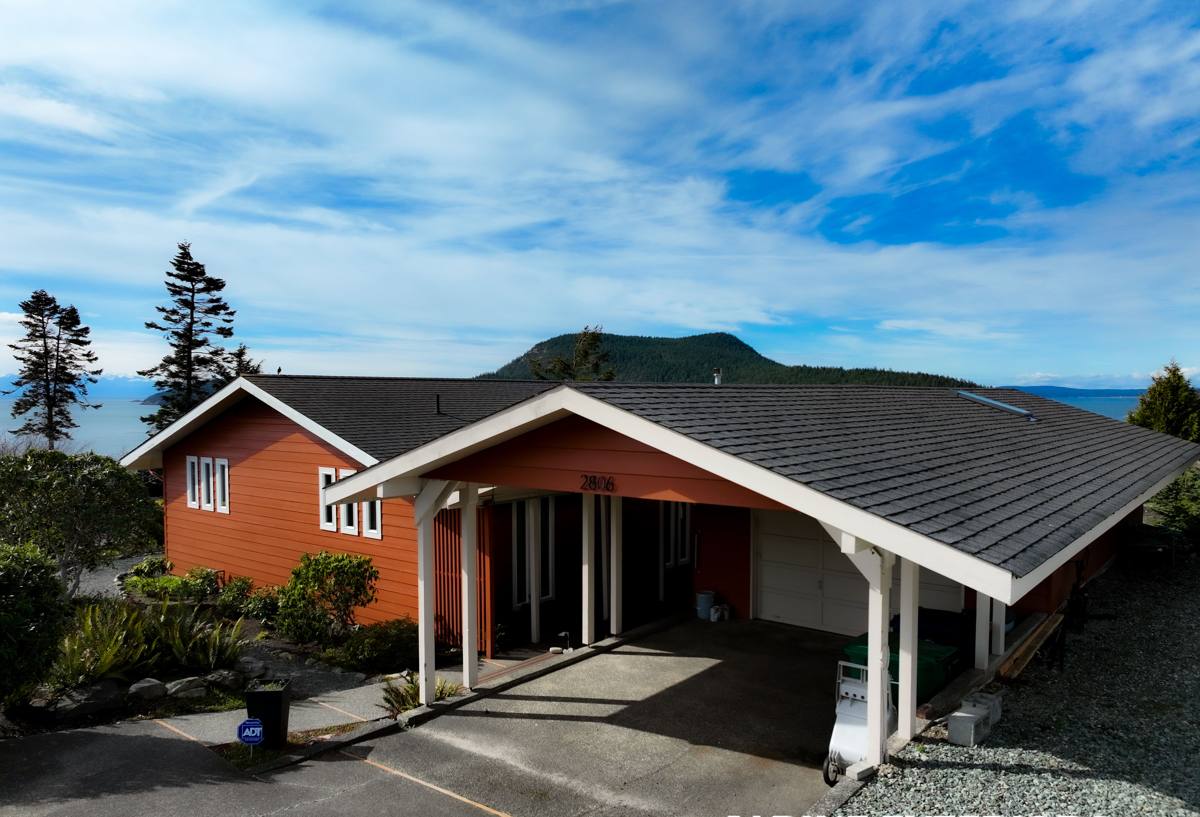
Ferndale sits close enough to the water that salt air is a real factor in how exteriors age here, not just a talking point. Combine that with Whatcom County's long, wet winters and the moss and algae growth that comes with months of shade and moisture, and you've got a climate that's genuinely hard on a home's outer shell. Siding, trim, roofing, and windows all take a slower but steadier beating in a place like this than they would in a drier inland climate.
None of this means Ferndale homes are doomed to constant repairs. It means the materials and installation details matter more here than they do in easier climates. A product or install method that's "good enough" in Spokane can fail early on the coast. That's the lens we bring to every job in this area.
How Salt Air Affects Siding, Trim, and Fasteners
Salt-laden air accelerates corrosion on anything metal — fasteners, flashing, hardware — and it can be tough on certain siding finishes and coatings over time. Wood and wood-composite products are especially vulnerable because salt air keeps moisture from fully drying out of the material's surface, which is exactly the environment that invites rot, swelling, and paint failure.
Why We Standardized on James Hardie Fiber Cement
This is a big part of why our company installs James Hardie fiber cement siding exclusively and doesn't offer LP SmartSide, vinyl, Cemplank, Allura, primed spruce, or cedar. Fiber cement is non-combustible and doesn't rely on an organic wood substrate that can absorb moisture and break down. Hardie's ColorPlus factory-applied finish is baked on under controlled conditions, which holds up better against the fading and coating breakdown that salt air and UV exposure cause over time compared to field-applied paint.
We're not saying every alternative product fails in a coastal climate — plenty of them perform fine for a while under ideal conditions. But we've made a professional judgment call: in an area like Ferndale, where the exterior is fighting salt air, rain, and moss pressure simultaneously, we want to install one system we trust completely rather than juggle several products with different moisture tolerances and maintenance demands. Hardie's HZ5 product line is specifically engineered for the kind of wet, humid climate zone Whatcom County sits in.
Moss Season and What It Does to a Roof and Siding
Ferndale's tree cover, shade, and long stretches of damp weather add up to a real moss season — often running from fall through spring. Moss holds moisture against roofing and siding surfaces far longer than open air and sun would allow, and that trapped moisture is what causes granule loss on shingles, wood rot at eaves and trim, and premature coating failure.
What Moss Growth Signals
- Moss on a roof usually means poor airflow or shaded areas that stay damp longer than the rest of the roof
- Moss or algae streaking on siding often points to a spot that doesn't get sun or wind exposure to dry out
- Heavy moss buildup near roof valleys or gutters can trap debris and contribute to backups
- Moss on wood trim or fascia is often an early sign of softening wood underneath
Regular moss treatment and gutter clearing go a long way, but the bigger lever is choosing exterior materials that don't feed moss growth or degrade quickly when moss sits on them. Fiber cement doesn't provide the organic surface that wood-based siding does, which helps on the siding side of that equation.
Roofing Considerations for a Coastal, Shaded Climate
Roofs in Ferndale deal with the same combination of factors as siding: salt air, near-constant moisture exposure much of the year, and moss pressure in shaded yards. Metal flashing and fasteners need to be corrosion-resistant, underlayment needs to handle sustained wet conditions rather than just heavy rain events, and ventilation matters more than homeowners often expect — a roof that can't breathe traps moisture underneath the shingles year-round, which shortens its life regardless of the shingle brand.
We look at the whole roof system on every job — decking condition, ventilation, flashing details around chimneys and valleys — not just the shingles themselves, because in this climate the details are usually what fail first, not the field of the roof.
Roofing Wear Patterns We See in This Area
| Sign | Likely Cause | Why It Matters Here |
|---|---|---|
| Granule loss in valleys | Prolonged water flow and moss retention | Coastal moisture keeps valleys wet longer than drier climates |
| Dark streaking | Algae growth on north-facing or shaded slopes | Shade and humidity from tree cover encourage growth |
| Soft or spongy decking at eaves | Trapped moisture under poor ventilation | Sustained damp air accelerates wood decay |
| Rusting fasteners or flashing | Salt air corrosion | Proximity to the water speeds up metal breakdown |
Windows: Sealing Out Driving Rain
Driving rain off the water is a different challenge than a straight-down downpour — wind-driven moisture finds its way into gaps and seals that would hold up fine in a calmer climate. Window flashing and sealant details around openings matter as much as the window unit itself. A quality window installed with poor flashing will leak eventually; a modest window installed correctly, with proper head flashing and sealed integration into the siding system, will often outperform it.
When we replace windows, we treat the flashing and integration with the siding as part of the job, not an afterthought — especially important when the surrounding siding is also being replaced, since that's the best opportunity to get the water management details right from the start.
Signs a Window Is Letting Moisture In
- Soft or discolored trim or siding directly around the window frame
- Fogging between double-pane glass, indicating a failed seal
- Drafts or condensation on interior sills during cold, wet weather
- Paint or finish bubbling on interior window casing
Decks: A Different Set of Moisture Problems
Decks in Ferndale face constant damp conditions much of the year, plus the same moss and algae pressure as roofing and siding. Ledger board attachment and flashing where the deck meets the house are the details that matter most for long-term durability — a deck can look fine on the surface while moisture is working on the structure underneath at the house connection. Proper flashing, gapped decking for drainage and airflow, and materials chosen for a wet climate all extend a deck's usable life significantly.
What Correct Installation Looks Like in This Climate
Materials matter, but installation is what actually determines whether a home stays dry. In a climate like Whatcom County's, water management details — flashing, house wrap integration, proper fastening, ventilation, drainage planes — are what separate an exterior that lasts decades from one that starts showing problems in five years, regardless of what siding or roofing brand is on the house.
What We Check on Every Ferndale Job
- Flashing at all windows, doors, and roof-to-wall transitions
- House wrap and drainage plane condition behind existing siding
- Fastener spacing and type appropriate for coastal exposure
- Roof ventilation adequate for the home's attic space
- Gutter and drainage function around the roofline and deck ledger areas
- Manufacturer installation specs followed exactly, since warranty coverage depends on it
Why a Local Crew Matters Here
A contractor who mostly works inland doesn't see the same failure patterns we see routinely in Bellingham and Ferndale — the specific way salt air corrodes fasteners, the exact spots where moss takes hold first, the flashing details that matter most in wind-driven rain. Crews familiar with Whatcom County's coastal conditions install differently because they've seen what happens when those details get skipped. That local knowledge shows up in the small decisions on a job site that don't get written into a spec sheet.
Planning an Exterior Project in Ferndale
Whether you're dealing with visible moss and algae staining, a roof that's due for replacement, drafty windows, or siding that's showing its age, the starting point is the same: an honest look at what's actually happening with your home's exterior and what it will take to fix it properly for this climate, not just patch it temporarily. We'd rather tell a homeowner the truth about what their exterior needs than sell a quick fix that won't hold up through another wet Whatcom County winter.
If you're in Ferndale and thinking about siding, roofing, windows, or a deck project, we're happy to take a look and give you a straightforward, no-pressure estimate — just fill out the form below to get started.