 Bellingham Exterior
 Exterior Contractors Serving Birchwood
Birchwood is one of Bellingham's established residential neighborhoods, with a housing stock that spans decades of construction styles and a good number of homes now old enough that their original siding, roofing, and windows are due for a hard look. Whether your house was built in the 1970s with cedar siding that's finally given out, or it's a newer build with materials that were never quite right for this climate, the exterior of a Whatcom County home takes a specific kind of beating. We work throughout Bellingham and the surrounding areas, and Birchwood is part of our regular service territory — not a stretch job we take once a year.
This page covers what local homes tend to face, how our siding, roofing, window, and deck work applies to a neighborhood like Birchwood, and why having a crew that actually knows this climate matters more than it sounds like it should.
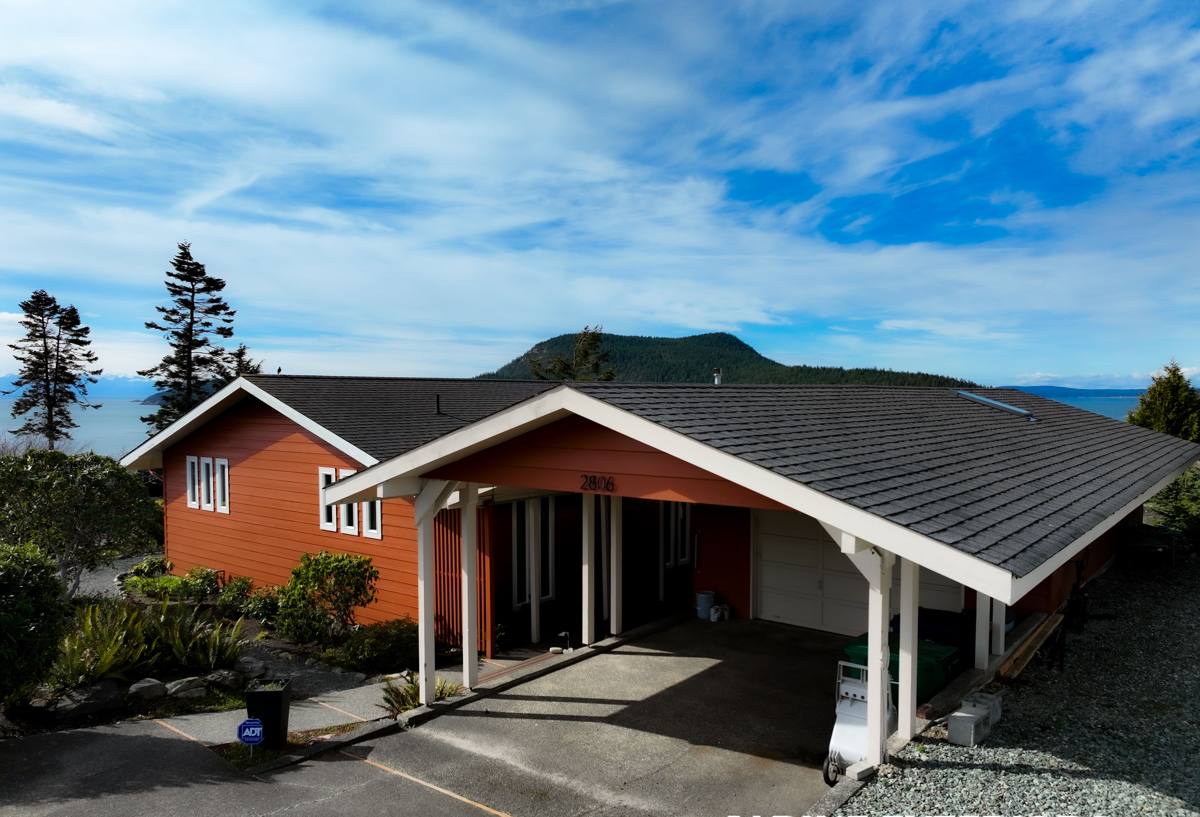
What Bellingham's Climate Does to a Home's Exterior
Bellingham sits close enough to the water that salt-laden air is a real factor, not a theoretical one. Combine that with driving rain that comes in sideways during fall and winter storms, and a moss and algae season that can stretch nearly nine months out of the year, and you've got an environment that's genuinely hard on exterior building materials.
Salt Air and Metal Fatigue
Salt air accelerates corrosion on anything metal — flashing, fasteners, gutters, and trim. Homes closer to the water see this faster, but even a few miles inland, Whatcom County's marine air carries enough moisture and salt content to matter over a 15-20 year span. Fasteners that aren't rated for coastal exposure can rust, streak the siding below them, and eventually fail structurally.
Driving Rain and Wall Assemblies
Wind-driven rain doesn't just fall on a house — it gets pushed sideways into every seam, joint, and penetration. This is where a lot of siding failures actually start: not from the face of the material, but from water working its way behind it at a poorly flashed window, a butt joint that wasn't caulked correctly, or a place where the original installer skipped a step you can't see from the ground.
Moss, Algae, and Constant Shade
Bellingham's tree cover and long damp season mean north-facing walls, roof valleys, and anything under overhangs stay wet longer than they should. Moss and algae aren't just cosmetic — moss holds moisture against a surface, and on the wrong material that moisture retention leads to rot, cupping, or coating failure over time.
Siding: Why We Only Install James Hardie
We install James Hardie fiber cement siding exclusively. We don't install vinyl, LP SmartSide, cedar, primed spruce, or other fiber cement brands like Allura or Cemplank. That's a deliberate standard, not a sales pitch, and it's worth explaining why in a climate like this one.
Vinyl siding is inexpensive and low-maintenance in mild climates, but it can become brittle in freeze-thaw cycles, and its seams and J-channels give wind-driven rain more opportunities to get behind the material. Wood products like cedar and primed spruce look great new, but they require an ongoing maintenance commitment — recoating, caulking, and moisture monitoring — that most homeowners underestimate until the first signs of rot show up around year eight or ten. Engineered wood siding like LP SmartSide performs reasonably well when installed and maintained exactly to spec, but it's still a wood-based product with edges that need consistent sealing, and any lapse in that maintenance opens the door to moisture damage.
James Hardie fiber cement is non-combustible, doesn't support rot, and holds up to sustained moisture exposure in a way wood-based products structurally can't. Hardie's factory-applied ColorPlus finish is baked on under controlled conditions, which gives it better fade and chip resistance than field-applied paint, and its HZ product lines are engineered specifically for climate zones like ours — the HZ5 line is built for the kind of freeze-thaw and moisture cycling the Pacific Northwest sees. It also carries a strong transferable warranty, which matters if you ever sell the house.
What Correct Hardie Installation Looks Like
- Proper rainscreen or drainage plane behind the siding so any moisture that gets past the face can drain and dry
- Correct fastener type and spacing — stainless or coated fasteners rated for coastal/marine exposure
- Flashing at every window, door, and penetration, installed before the siding goes on, not caulked over after
- Proper clearance at grade, decks, and roof lines so siding isn't sitting in standing water or snow
- Factory-cut edges primed or sealed at every field cut
Hardie siding installed without these details can still fail — the product is only as good as the installation, which is exactly why we control both.
Roofing for a Wet, Mossy Climate
Roofs in Birchwood and the surrounding Bellingham area deal with the same moss and moisture pressure as siding, but with more exposure and higher stakes. A roof that traps moisture under moss growth or has degraded flashing at valleys and penetrations will leak long before the shingles themselves look "old." We handle roof installation and repair with attention to the details that matter most in this climate: proper underlayment, correctly lapped flashing, adequate ventilation to control condensation from the underside, and moss-resistant practices at install so you're not fighting growth from year one.
Windows: Sealing Out Driving Rain
Old, single-pane, or poorly flashed windows are one of the most common points of water intrusion we find during exterior work in this area. Wind-driven rain finds gaps at the window flange that aren't visible until you open up the wall. When we replace windows, we treat the flashing and integration with the surrounding siding as part of the job, not an afterthought — a window is only as weather-tight as its installation, regardless of the window brand.
Decks: Built for Standing Water and UV
A deck in this climate has to handle standing water, shaded damp conditions for much of the year, and periodic strong summer sun. Ledger board flashing, proper joist spacing, and drainage away from the house are the details that determine whether a deck lasts 10 years or 25. We build and repair decks with the same moisture-first mindset we bring to siding and roofing, because a poorly flashed deck ledger is a common source of hidden rot at the house's rim joist.
Comparing Common Siding Choices in This Climate
| Material | Moisture Resistance Here | Maintenance Burden | Typical Lifespan Locally |
|---|---|---|---|
| James Hardie Fiber Cement | Strong — non-combustible, doesn't rot | Low — occasional wash, no recoating | 30+ years with correct install |
| Cedar / Primed Spruce | Moderate — moisture-sensitive if maintenance lapses | High — regular recoating and caulking | 10-20 years, install and upkeep dependent |
| Vinyl | Moderate — seams and joints are vulnerable | Low, but limited repair options | 15-25 years, can become brittle over time |
| Other Fiber Cement Brands | Similar base material to Hardie | Varies by finish system | Varies — we standardize on Hardie for finish and warranty consistency |
Cost Factors for Birchwood Homeowners
Every exterior project has a few variables that move the price more than anything else:
- Extent of hidden damage: rot found once old siding or roofing comes off often changes scope
- Home size and complexity: multiple stories, dormers, and cut-up rooflines add labor time
- Access and site conditions: tree cover, slope, and setback from the street all affect logistics
- Material selection: Hardie plank, panel, and shingle profiles carry different material and labor costs
- Scope bundling: combining siding with window or trim replacement can reduce total labor versus doing each separately later
Why a Local Crew Matters in Birchwood
A contractor who works Bellingham and Whatcom County regularly knows which details actually matter here — where moss builds up fastest, how far wind-driven rain can push water into a wall assembly, and which fastener and flashing choices hold up against sustained marine air exposure. That's different knowledge than a crew that mostly works drier inland climates and treats every job the same way. We're on Birchwood-area homes often enough to know what tends to go wrong here and to build against it from the start.
What to Look for When Hiring an Exterior Contractor
- Manufacturer training or certification specific to the siding product being installed
- A clear explanation of flashing and drainage details, not just material brand names
- Willingness to walk you through what they found once old siding, roofing, or decking comes off
- Local references and a track record of work in Whatcom County's specific climate
- A written scope that specifies fastener type, flashing approach, and warranty terms
If your Birchwood home's siding, roofing, windows, or deck are showing signs of wear from Bellingham's salt air, driving rain, or moss season, we're happy to take a look. Reach out for a free, no-pressure estimate using the form below.