 Bellingham Exterior
 Board & Batten Siding, Built for Birchwood's Weather
Birchwood sits close enough to Bellingham Bay and the surrounding waterways that homes here take on a specific kind of weathering — salt-laden air, wind-driven rain off the Sound, and the long gray stretch of fall through spring when moss and algae get a foothold on anything that stays damp too long. Board and batten siding, with its vertical lines and crisp shadow reveals, is one of the most requested looks for Birchwood homes right now. But the look only holds up if the material underneath and the installation behind it are matched to this climate. A lot of board and batten siding fails early not because the style was wrong, but because the product or the install wasn't built for a place like Whatcom County.
This page is about doing board and batten right for a Birchwood home specifically — what the climate demands, what a correct installation actually involves, and why we only install it in James Hardie fiber cement.
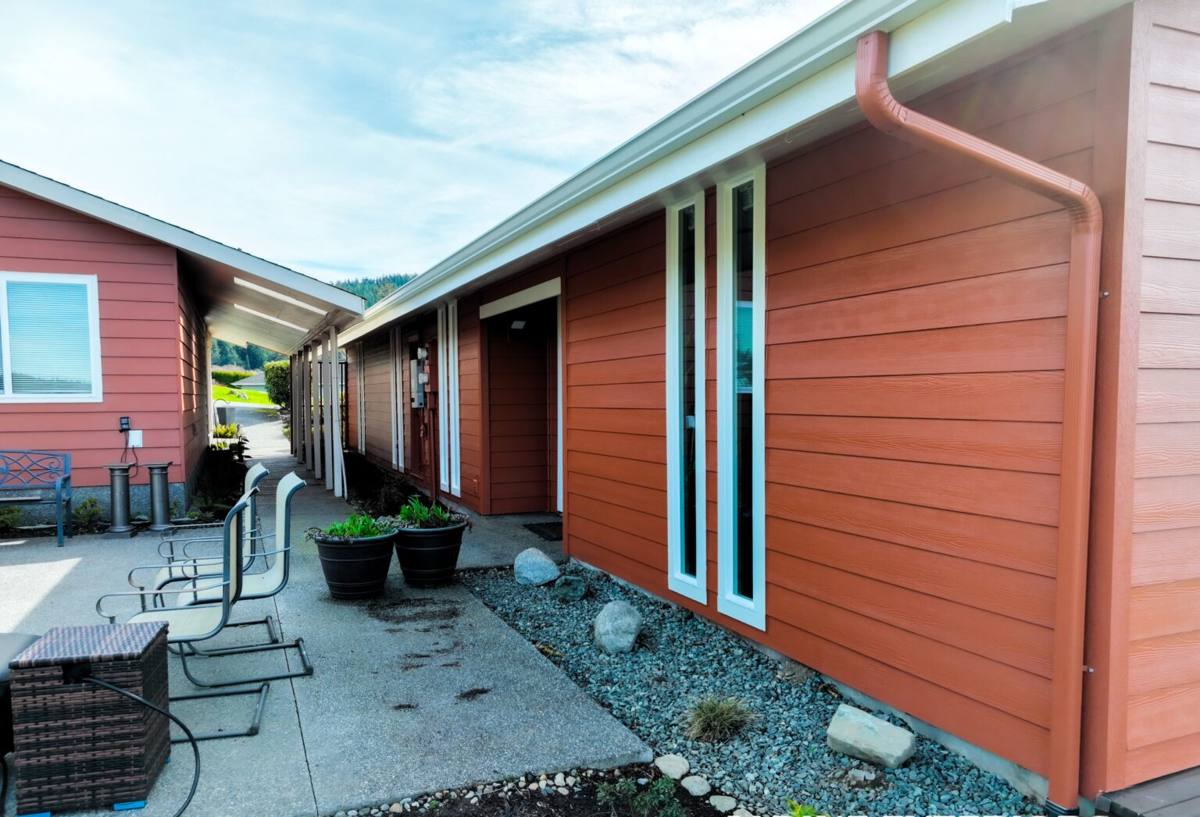
What Birchwood's Climate Actually Does to Siding
Whatcom County doesn't get extreme weather so much as relentless weather. That's the part that catches homeowners off guard — it's rarely one dramatic storm that damages siding, it's years of steady moisture exposure wearing down a product that wasn't engineered for it.
Salt Air
Proximity to Bellingham Bay means airborne salt and moisture settle on exterior surfaces more than homeowners further inland realize. Salt air accelerates the breakdown of fasteners, caulking, and paint film, and it's especially hard on wood-based sidings that rely on a sound paint layer to keep moisture out.
Driving Rain
Rain in this region doesn't just fall — wind pushes it sideways into wall assemblies, seams, and butt joints. Vertical board and batten siding has more seams than lap siding in some respects (every batten is a seam), which means the installation detailing around those joints matters more here than it does in a drier climate.
The Long Moss Season
Bellingham's moss and algae season effectively runs most of the year. Anything that holds moisture at the surface — porous wood grain, chalky paint, or siding installed too tight to the ground or landscaping — becomes a host surface. Once moss establishes itself in a seam or board face, it holds water against the siding, and the cycle accelerates.
None of this means board and batten is a bad choice for Birchwood. It means the material and the details have to be right, because this climate finds every weakness in a siding system faster than most.
What a Correct Board & Batten Installation Involves
Board and batten looks simple — vertical boards, battens covering the seams — but the installation underneath is where a job either holds up for decades or starts failing within a few years. Here's what we treat as non-negotiable on every board and batten project.
Rainscreen Gap
A drainage gap between the siding and the water-resistive barrier lets any moisture that gets past the siding face drain and dry out instead of sitting against the sheathing. In a driving-rain climate like this one, skipping the rainscreen is one of the most common reasons board and batten fails early.
Flashing at Every Transition
Windows, doors, roof lines, and horizontal trim all need proper flashing integration — not just caulk. Caulk is a maintenance item that degrades; flashing is a permanent water management detail. Vertical siding pushes more attention to horizontal transitions, since every horizontal trim board is a potential water trap if it's not flashed correctly.
Fastener Placement and Spacing
Board and batten has specific fastening requirements depending on board width and batten placement — over-driving or under-driving fasteners, or spacing them incorrectly, shows up as cracking, buckling, or loosening within a few seasons, especially through freeze-thaw swings in the shoulder months.
Clearance from Grade and Hardscape
Siding installed too close to soil, decking, or concrete stays damp longer and is more exposed to splashback. Correct clearance is a small detail during install and a major factor in how well the bottom courses hold up over time.
Proper Caulking and Sealant Joints
Where sealant is appropriate — not as a substitute for flashing, but at true sealant joints — the right product and joint width matter. Under-filled or over-filled joints fail faster, and in a wet climate a failed joint means ongoing water intrusion.
Why We Only Install James Hardie for Board & Batten
Board and batten in wood or engineered wood products relies heavily on the paint film and the wood substrate staying intact. In a climate with this much sustained moisture and salt exposure, that's asking a lot of a painted wood surface, especially at butt joints and cut ends where the substrate is most exposed. Vinyl board and batten avoids the rot question but is a thin, flexible material that shows waviness and can crack in cold snaps — and it doesn't hold the crisp, deep shadow lines that make board and batten look intentional rather than plastic.
James Hardie fiber cement is non-combustible, dimensionally stable, and doesn't absorb and swell with moisture the way wood-based products do. For Birchwood specifically, we typically spec Hardie's HZ5 climate-engineered product line, which is formulated for wetter, harsher climates rather than a one-size-fits-all national spec. The factory-applied ColorPlus finish is baked on and warrantied against fading and peeling — which matters in a region where repainting siding every few years isn't something most homeowners want to sign up for.
We don't install LP SmartSide, vinyl, Cemplank, Allura, primed spruce, or cedar board and batten. That's not a knock on every homeowner who has one of those products — it's that after years of doing this work in Whatcom County's climate, we standardized on the one system that consistently holds up here without demanding constant maintenance from the homeowner.
How Board & Batten Options Compare
| Material | Moisture Behavior in Wet Climates | Maintenance Burden | Longevity Locally |
|---|---|---|---|
| James Hardie fiber cement | Does not absorb/swell; engineered HZ5 line for wet regions | Occasional wash; factory finish holds color | Long service life when installed to spec |
| Primed wood / cedar | Absorbs moisture at joints and cut ends; paint film degrades | Repainting and caulk maintenance on a recurring cycle | Shorter without diligent upkeep |
| LP SmartSide (engineered wood) | Wood-based substrate; relies on sealed edges and coating integrity | Edge sealing and coating checks needed | Moderate, install-sensitive |
| Vinyl | Doesn't rot but flexes, can warp/crack in temperature swings | Low, but limited repair options if damaged | Moderate; appearance degrades over time |
Our Process for a Birchwood Board & Batten Project
- On-site assessment: We walk the home, check current siding and sheathing condition, and look specifically at moisture exposure points — north-facing walls, areas near landscaping, and spots with limited sun exposure that hold moss longer.
- Detailed proposal: You get a clear scope covering board width, batten spacing, color selection from the ColorPlus palette, and any trim or flashing work required around windows, doors, and rooflines.
- Prep and moisture barrier: Old siding removal, sheathing inspection and repair as needed, and installation of the water-resistive barrier and rainscreen system before a single board goes up.
- Installation to manufacturer spec: Fastening, spacing, and flashing done to James Hardie's published installation requirements — this is what keeps the product warranty intact and the wall assembly performing as designed.
- Final walkthrough: We review the finished work with you, check caulking and trim details, and make sure the site is cleaned up before we consider the job done.
Signs Your Current Siding Needs Attention
- Persistent moss or algae growth that returns within weeks of cleaning
- Visible cracking, buckling, or gaps at board seams or corners
- Paint peeling or chalking, especially on walls facing prevailing wind and rain
- Soft or spongy spots when pressed, particularly near the bottom courses
- Rising energy bills that suggest the wall assembly isn't sealing the way it used to
- Visible gaps around window and door trim where caulk has failed
Why a Crew That Already Works Birchwood Matters
Board and batten installation detail doesn't change from neighborhood to neighborhood, but knowing how a specific area sits relative to wind exposure, tree cover, and sun angle does affect where we pay closest attention on a given home. A crew that already works in Birchwood and the surrounding Bellingham neighborhoods has a working sense of which walls tend to hold moisture longest and where moss and algae come back fastest — that shapes decisions like rainscreen detailing and trim placement without guesswork. It also means faster response for warranty questions or follow-up service, since we're not traveling in from outside the county to take care of it.
Warranty and What It Actually Covers
James Hardie's ColorPlus finish carries a substantial factory finish warranty against peeling, cracking, and fading, separate from the product warranty on the fiber cement substrate itself. Both are transferable, which matters if you plan to sell the home down the road — buyers and their inspectors take exterior warranty coverage seriously in a market where siding condition is a real line item in negotiations. The manufacturer warranty is only as good as the installation behind it, though, which is why correct fastening, flashing, and clearance details aren't optional extras — they're what keeps that warranty valid if you ever need to use it.
Getting Started
If your Birchwood home is due for new siding or you're weighing board and batten against other styles, we're happy to come take a look, walk you through what we're seeing, and give you a straightforward estimate — no pressure, no upsell script. Use the form below to request a free estimate and we'll get back to you to schedule a time that works.