 Bellingham Exterior
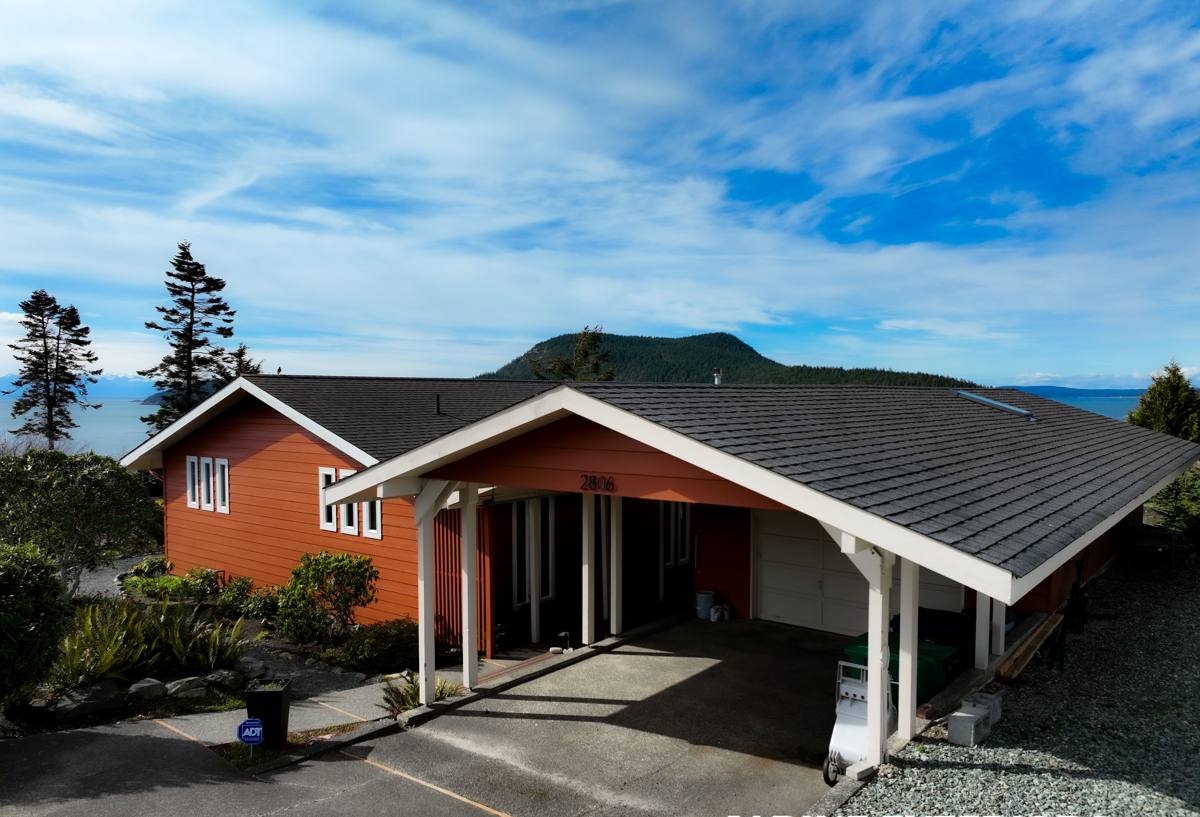
 Exterior Work in Birch Bay: What the Coast Does to a House
Birch Bay sits right up against the water in Whatcom County, and that proximity is the whole story when it comes to exterior wear. Homes here deal with a combination that inland Bellingham properties are spared: salt-laden air blowing off the bay, driving rain that comes in sideways during winter storms, and a long, damp moss season that can run from October through May. Any one of those factors is manageable on its own. Together, they shorten the useful life of exterior materials that aren't built for it.
We work throughout the Bellingham area, and Birch Bay is one of the more demanding stretches we cover. Salt air is corrosive to fasteners and hard on painted surfaces. Wind-driven rain finds every gap in flashing, trim, and siding laps. And moss doesn't just look bad on a roof or a north-facing wall — it holds moisture against the surface underneath it, which is where real damage starts. A house built or sided without this environment in mind tends to show its age faster here than the same house would ten miles inland.
Siding: Why Material Choice Matters More Near the Water
Siding is a home's first line of defense, and in Birch Bay it takes a beating. Salt air accelerates corrosion of exposed metal fasteners and trim, and constant moisture cycling — wet mornings, drying afternoons, wet again by evening — stresses whatever material is on the wall. This is exactly the environment where the difference between a marginal siding product and a well-engineered one shows up fastest.
Our position: James Hardie fiber cement, installed correctly
We install James Hardie fiber cement siding exclusively. We don't install vinyl, LP SmartSide, Cemplank, Allura, primed spruce, or cedar, and we're upfront about why. Each of those products has legitimate uses, but none of them holds up to close, honest scrutiny in a coastal Whatcom County climate as well as Hardie does when installed to spec:
- Vinyl can warp and become brittle with UV and temperature swings, and its seams are a weak point for wind-driven rain to exploit.
- Wood-based composites like LP SmartSide use an engineered wood core that is more moisture-resistant than raw wood, but any breach in the factory coating exposes wood fiber that swells and degrades faster in a wet, salty climate.
- Primed spruce and cedar are natural wood products that require ongoing paint and sealant maintenance; skip a cycle in a place like Birch Bay and moisture gets in fast.
- Other fiber cement brands (Cemplank, Allura) are legitimate competitors to Hardie in the fiber cement category, but we've standardized on Hardie for its ColorPlus factory finish, its HZ5 climate-engineered formulation, and its transferable warranty structure.
James Hardie is non-combustible fiber cement, which matters for wildfire-adjacent insurance considerations even in a wet climate, and its ColorPlus factory-applied finish is baked on and warrantied against peeling and cracking — which reduces the repainting cycle that salt air and UV would otherwise force. The HZ5 product line is engineered specifically for climates with significant moisture exposure, which describes Birch Bay well. None of this is magic — it's correct material selection plus correct installation, which is the next section.
Installation details that matter here
Fiber cement siding is only as good as its installation. In a high-moisture, salt-air environment, the details that get skipped on a rush job are exactly the ones that cause problems in year three or four:
- Proper rain-screen or drainage plane behind the siding so incidental moisture can escape rather than sit against the wall sheathing
- Correct flashing at every window, door, and horizontal trim transition
- Manufacturer-specified fastener spacing and type — stainless or coated fasteners rated for coastal exposure
- Proper caulking and sealant at joints, sized and placed per Hardie's installation guidelines, not just "wherever looks right"
- Correct clearance from grade, decks, and roof lines to keep splash-back and standing water off the bottom courses
Roofing: Moss, Rain, and Salt Air
Birch Bay's roofs deal with two separate problems that compound each other. First is sheer rain volume — Whatcom County gets sustained winter rain events, and any weakness in flashing, underlayment, or shingle condition turns into a leak faster here than in a drier climate. Second is moss. The combination of shade, moisture, and mild temperatures found around Birch Bay is close to ideal moss-growing conditions, and moss on a roof isn't cosmetic — it lifts shingle edges, holds water against the roof deck, and accelerates granule loss on asphalt shingles.
A roof replacement or repair in this area needs to account for moss prevention (zinc or copper strips, proper ventilation to reduce the damp microclimate under the roof surface) as much as it accounts for the shingle or roofing material itself. We evaluate ventilation and moisture pathways as part of any roofing project here, not just the surface material, because treating the symptom without addressing airflow and drainage means the moss comes right back.
Windows: Sealing Out Wind-Driven Rain
Window failures in Birch Bay are rarely about the glass — they're about the seal around the frame. Wind-driven rain off the bay puts lateral pressure on window assemblies that calmer inland locations don't see as often, and a window that's marginally out of level or under-flashed will eventually let water into the wall cavity. We pay close attention to flashing integration between the window and the siding system, because a window replacement that isn't properly tied into the surrounding wall assembly can actually create a new leak path even with a brand-new window unit.
Energy performance is a secondary but real benefit — a tight, correctly installed window reduces the drafts and condensation issues that show up in older, single-pane or poorly sealed windows during Whatcom County's cool, damp winters.
Decks: Built for Wet, Salt-Exposed Conditions
Outdoor living space is part of why people live in Birch Bay, and decks there face the same moisture and salt exposure as the rest of the exterior, plus foot traffic and direct weather exposure with no wall assembly to protect them. Ledger board flashing, joist protection, and fastener selection all matter more here than in a dry climate — a deck built without attention to those details can develop rot at the ledger connection or corrosion at fastener points well before the visible decking material shows wear.
Whether it's composite decking or a wood deck system, the structural details underneath — proper flashing where the deck meets the house, adequate drainage, and corrosion-resistant hardware — determine how long it actually lasts in this environment.
Cost Factors for Birch Bay Exterior Projects
Every project is different, but these are the factors that most often move the price up or down for exterior work in this area:
| Factor | Why It Matters in Birch Bay |
|---|---|
| Existing moisture damage | Salt air and rain exposure can hide rot behind siding or under roofing that isn't visible until removal |
| Access and site conditions | Waterfront and bluff-adjacent lots can have tighter access, affecting labor and staging |
| Flashing and drainage detailing | Coastal exposure requires more thorough flashing work than an inland home of the same size |
| Material grade | HZ5 climate-engineered products and coastal-rated fasteners cost more than standard-grade materials but last longer here |
| Roof moss history | Existing moss growth may require deck cleaning, treatment, or ventilation upgrades in addition to the roofing work itself |
Why a Local Crew Matters
A crew that works throughout Whatcom County and the Bellingham area regularly sees what happens to homes in Birch Bay specifically — which details get skipped on lower-bid jobs, which products hold up and which don't, and where moisture actually gets into a wall or roof assembly in this climate. That's different from general exterior experience in a drier or more moderate part of the country. Local knowledge means fewer surprises: we know to check for moss-related roof deck damage before we quote a re-roof, and we know why flashing details near the water can't be an afterthought.
What to Check Before Hiring for Exterior Work Here
- Ask what siding, roofing, or decking material they're proposing and why — a contractor should be able to explain the trade-offs, not just push what's cheapest to install
- Confirm they carry current Washington state contractor licensing and insurance
- Ask how they handle flashing and drainage detailing specifically for coastal or high-moisture sites
- Get a written estimate that separates material, labor, and any structural repair contingencies
- Ask about manufacturer warranty terms and whether the installer is a certified installer for the products they're proposing
- Ask directly how they'd handle existing moss or moisture damage discovered during the project
Ready to Talk About Your Home
If you're dealing with aging siding, a moss-covered roof, drafty windows, or a deck that's starting to show its age, we're happy to take a look and give you a straightforward assessment of what's going on and what your options are. We'll tell you honestly what we see, what we'd recommend, and why — no pressure, no upsell. Reach out for a free estimate using the form below.