 Bellingham Exterior
 Roof Replacement for Puget Homes: Built for the Real Weather
Homes in the Puget area of Bellingham sit close enough to the water and tree cover that roofs take a different kind of beating than they would inland. Salt-laden air moves through with the marine breeze, driving rain comes in sideways during the fall and winter storm cycles, and shaded, north-facing slopes stay damp long enough each year to grow a steady crop of moss. None of that is unusual for Whatcom County, but it does mean a roof replacement here isn't a one-size-fits-all job. The right materials, the right underlayment, and the right ventilation plan all shift once you factor in what this specific pocket of Bellingham actually deals with year-round.
This page is about one thing: replacing a roof on a Puget-area home the right way, for this climate, with a crew that already understands the conditions instead of learning them on your dime.
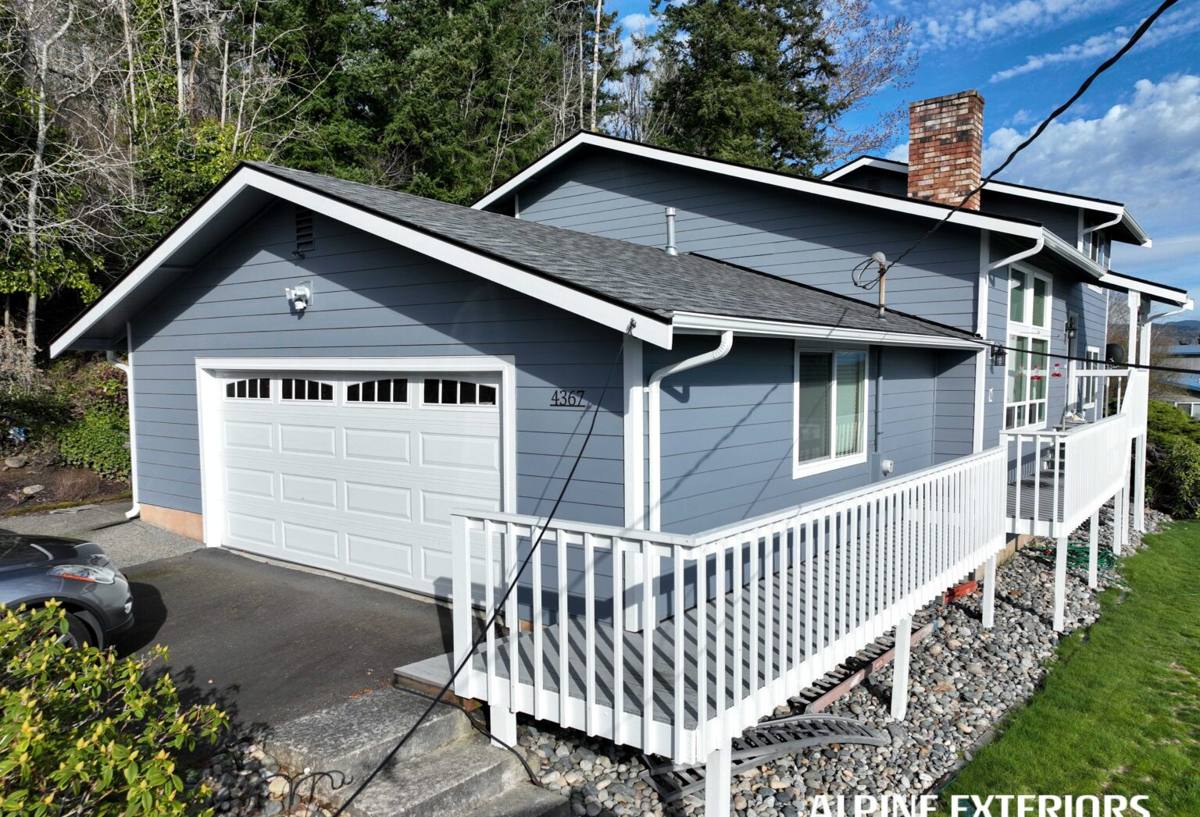
What Puget's Climate Actually Does to a Roof
Salt Air and Moisture
Proximity to Puget Sound means airborne salt and near-constant humidity are part of daily life for a roof, not an occasional event. Salt exposure accelerates corrosion on exposed metal fasteners, flashing, and any hardware that isn't rated for it. Over years, that corrosion is often the first visible sign of age on an otherwise intact roof — rust streaks at valleys, pitted nail heads, or flashing that's thinned out faster than the shingles around it.
Driving Rain
Storms off the Sound don't always fall straight down. Wind-driven rain gets pushed sideways and upward under standard shingle laps, which is exactly why underlayment quality and flashing detail matter more here than in drier, calmer regions. A roof that would perform fine in a low-wind climate can still leak in Bellingham if the water management details underneath the shingles are done to a lower standard.
Moss and Prolonged Dampness
Bellingham's tree cover and long wet season give moss and algae a long runway to establish, especially on north-facing or heavily shaded slopes. Moss isn't just cosmetic — it holds moisture against the roof surface, works its way under shingle tabs, and can lift edges over time, giving wind and rain a path underneath. Roofs in Puget's shadier lots typically need more moss-conscious material choices and maintenance planning than a roof out in open sun.
Signs a Puget-Area Roof Actually Needs Replacement
Not every roof problem calls for a full replacement, and we won't tell you it does. Here's what actually tips a roof from "repair it" to "replace it" in this climate:
- Granule loss heavy enough that you're seeing bare, shiny patches on multiple slopes, not just one flashing detail
- Soft spots or sagging when walked, which usually means the decking underneath has taken on moisture damage
- Moss growth that's returned repeatedly after cleaning, especially if it's lifting shingle edges
- Widespread cracking, curling, or brittle shingles — a sign the material has reached the end of its service life, not just weathered on the surface
- Recurring leaks at multiple points rather than one isolated flashing failure
- Visible daylight or water staining in the attic along the roof deck
- A roof already past its expected lifespan for its material, combined with any of the above
If your roof shows one or two of these in isolation, a targeted repair may be the honest answer. When several show up together, or the underlying decking is compromised, replacement is usually the more cost-effective path — patch jobs on a failing roof tend to cost more over a few years than doing it right once.
What a Correct Roof Replacement Involves Here
Tear-Off and Deck Inspection
A full tear-off lets us actually see the decking, not guess at its condition from the attic side. In this climate, damp-related deck damage is common enough that we treat the tear-off as the real inspection point — any soft, delaminated, or water-stained sheathing gets identified and replaced before anything new goes down.
Underlayment Suited to Wind-Driven Rain
Given how often rain gets pushed sideways here, we don't treat underlayment as an afterthought. Self-adhered, high-quality synthetic or ice-and-water-shield-style membranes at vulnerable areas (eaves, valleys, penetrations) give the roof a real second line of defense if wind-driven water gets past the shingle surface.
Flashing and Fasteners Rated for Salt Exposure
Where a roof is close enough to the Sound to see regular salt air, we use flashing and fastener materials chosen to resist that corrosion, not just whatever's standard inland. This is a small cost difference at install time and a meaningful difference in how the roof ages over the next couple of decades.
Ventilation That Accounts for Moisture Load
Proper intake and exhaust ventilation matters everywhere, but it matters more in a climate this damp — poor ventilation traps moisture in the attic, which shortens the life of the decking and the shingles from underneath, independent of anything happening on the surface. We evaluate existing ventilation as part of every replacement rather than assuming what's there is adequate.
Moss-Conscious Material and Detail Choices
On shaded or north-facing slopes, we talk through material options that hold up better against sustained moisture and moss pressure, along with practical details like drip edge and valley design that reduce standing water and debris buildup.
Material Options and Trade-Offs for This Climate
| Material | How It Handles Salt Air & Rain | How It Handles Moss/Shade | General Trade-Offs |
|---|---|---|---|
| Architectural asphalt shingle | Good with proper flashing and fasteners; standard choice regionally | Algae-resistant granule options help but shaded slopes still need periodic cleaning | Best balance of cost and performance for most homes; wide warranty and color options |
| Metal roofing | Excellent water shedding; needs coatings/fasteners rated for salt exposure to avoid corrosion | Sheds moss well due to smooth surface and faster drying | Higher upfront cost; long service life; installation quality matters even more than usual |
| Synthetic/composite shingle | Strong moisture resistance; performs well under wind-driven rain when installed correctly | Generally moss-resistant, though shaded areas still benefit from occasional cleaning | Cost is between asphalt and metal; installation sensitivity varies by product |
| Wood shake/shingle | Requires diligent maintenance in a wet, salty climate to avoid rot and decay | Highest moss and moisture vulnerability of common options | We're honest that this option carries the heaviest maintenance burden here and steer most Puget homeowners toward lower-maintenance alternatives |
None of these are wrong choices in the abstract — the right one depends on your home's exposure, shade, budget, and how much maintenance you want to take on. We'll walk through the honest trade-offs for your specific roof rather than pushing one product across the board.
Our Process for a Puget-Area Replacement
- On-site inspection — we look at current condition, decking, ventilation, shading, and exposure specific to your lot, not a generic checklist.
- Honest scope and estimate — you get a clear breakdown of what needs doing and why, including whether repair is a legitimate option instead of full replacement.
- Material walkthrough — we discuss options suited to your home's specific exposure to salt air, rain direction, and shade, with real trade-offs, not a sales pitch.
- Tear-off and deck repair — full removal, deck inspection, and replacement of any compromised sheathing before new roofing goes down.
- Installation — underlayment, flashing, ventilation, and shingle or panel installation done to the detail level this climate actually requires.
- Final walkthrough — we review the finished roof with you, including what routine maintenance (like moss management) looks like going forward.
Why Hiring a Crew That Already Works Puget Matters
A roofing crew that mostly works drier, inland conditions can still do competent work — but they're often making decisions on the fly about underlayment upgrades, salt-rated hardware, and moss-prone slope handling that a crew already familiar with Bellingham's Puget-area conditions has already settled into standard practice. That familiarity shows up less in the sales conversation and more in the details you don't see once the roof is closed up: which fasteners were used, how the valleys were detailed, whether the ventilation was actually evaluated instead of assumed.
We work in this part of Whatcom County regularly, which means we're not guessing at what the salt air, rain patterns, or shade cover will do to a roof over the next fifteen or twenty years. We've built our standard process around it.
A Quick Checklist Before You Decide
- Get a full tear-off inspection, not just a surface estimate — deck condition changes the real cost picture
- Ask what underlayment and flashing materials are being used, and whether they're rated for salt exposure
- Ask how ventilation will be evaluated, not just replicated as-is
- If your roof has shaded or north-facing slopes, ask specifically how moss will be addressed in material choice and design
- Get the warranty terms in writing, including what's covered on labor versus materials
- Compare estimates on scope and detail, not just bottom-line price
Let's Look at Your Roof
If your Puget-area home is showing signs of wear, moss buildup, or you're just trying to plan ahead before it becomes an emergency, we're happy to take a look and give you a straight, no-pressure assessment. Use the form below to request a free estimate, and we'll walk you through exactly what your roof needs and why.