 Bellingham Exterior
 Storm Damage in a Neighborhood Built Close to the Water
Edgemoor sits on a bluff above Bellingham Bay, which is exactly why storm damage here doesn't always look like storm damage everywhere else. Homes in this part of Whatcom County take wind off open water, driving rain that comes in sideways during a southerly blow, and salt-laden air that works on metal and fasteners year-round. Add in a moss season that runs long through our wet, mild winters, and you end up with roofs that can be quietly compromised well before a homeowner notices a leak inside.
We work storm damage calls across Bellingham, but Edgemoor's exposure and roof types call for a slightly different eye. This page covers what actually happens to roofs here after a storm, how to tell real damage from cosmetic wear, and what a correct repair looks like — not a generic patch job.
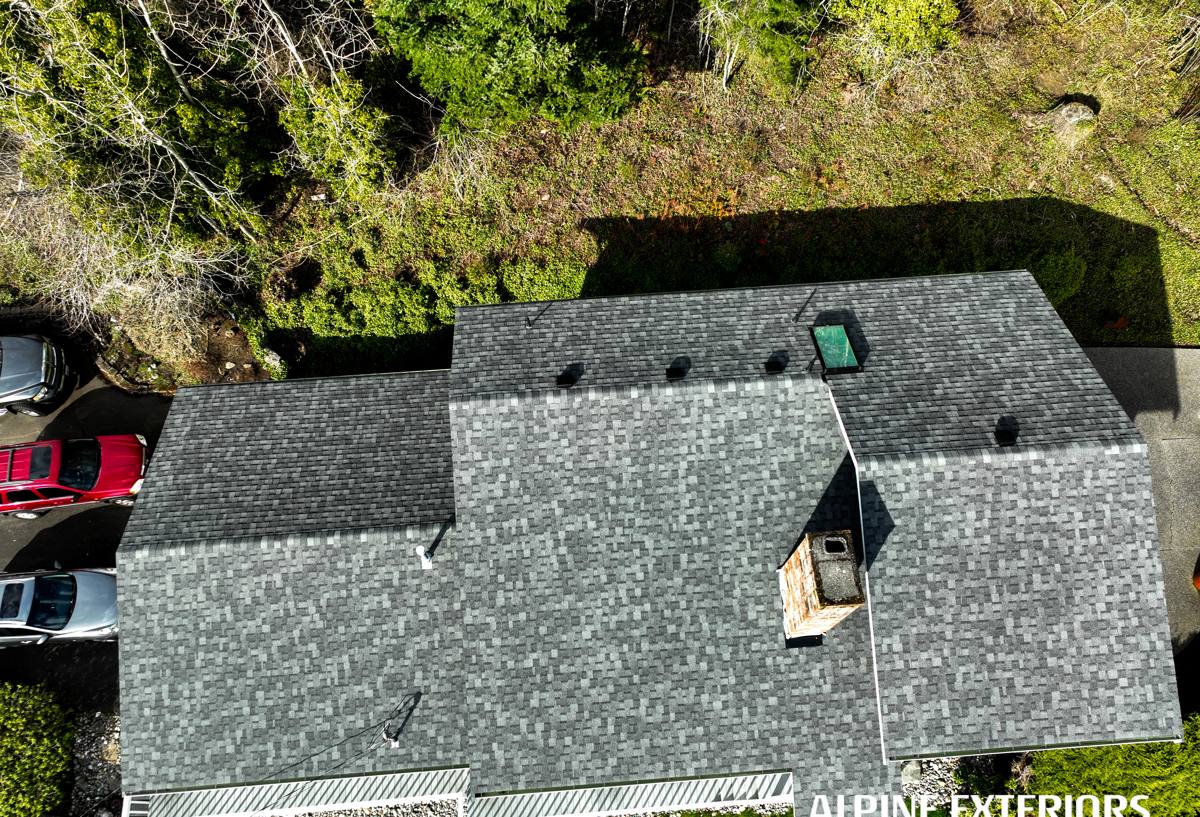
How Wind and Rain Actually Damage a Roof
Most storm damage isn't dramatic. It's rarely a tree through the roof — it's usually smaller, cumulative stress that shows up later as a leak. The common patterns we see after a windstorm or heavy rain event include:
- Lifted or creased shingles along ridge lines and roof edges, where wind uplift is strongest
- Granule loss from wind-driven rain and debris, which thins the shingle's protective layer over time
- Flashing separation around chimneys, skylights, and roof-to-wall transitions, often loosened by wind flex rather than a single event
- Gutter and downspout damage from wind load or debris, which then backs water up under the roof edge
- Moss intrusion at joints and valleys that were already holding moisture, which storms push further under the roofing material
None of these always show up as an obvious interior leak right away. A lifted shingle or a loose flashing seam can let water in gradually, and by the time a homeowner sees a stain on the ceiling, the sheathing underneath may already be affected.
Why Salt Air Changes the Timeline
Edgemoor's proximity to Bellingham Bay means metal components — flashing, fasteners, gutter hardware — corrode faster than they would further inland. A storm that would cause minor, easily-repaired damage on an inland roof can do more lasting harm here if the flashing or fasteners were already weakened by salt exposure. This is one reason a "small" storm repair in this neighborhood deserves a closer look than a quick surface patch.
What a Real Storm Damage Assessment Involves
A proper inspection after storm damage isn't a walk-around from the driveway. It should include:
- A full roof-surface walk, checking every slope, valley, and penetration — not just the side that faces the street
- Close inspection of flashing at chimneys, skylights, vents, and wall intersections, where most storm-related leaks originate
- Gutter and downspout check for damage, disconnection, or blockage that could be redirecting water under the roof edge
- An interior check of the attic space, looking for water staining, damp insulation, or daylight coming through where it shouldn't
- Documentation with dated photos of the actual damage, which matters if you end up filing an insurance claim
We tell every Edgemoor homeowner the same thing: if a contractor gives you a damage estimate without getting on the roof and into the attic, that estimate isn't complete. Storm damage is often worse — or sometimes less — than it looks from the ground.
Repair or Replace? What Actually Drives That Decision
Not every storm-damaged roof needs a full replacement, and not every roof can be reasonably patched. The right call depends on the roof's age, the extent of the damage, and how much of the underlying material was affected. Here's how we walk through that decision with homeowners:
| Factor | Favors Repair | Favors Replacement |
|---|---|---|
| Roof age | Under 10-12 years, otherwise in good condition | Nearing or past expected lifespan for its material |
| Extent of damage | Isolated to one section or a few shingles/flashing points | Spread across multiple slopes or recurring in the same spots |
| Underlying moisture | No sign of sheathing damage or rot | Sheathing is soft, stained, or has visible rot |
| Moss history | Minor surface growth, roof otherwise sound | Long-term moss intrusion has degraded the roofing layer beneath |
| Insurance scope | Claim covers a defined repair area | Adjuster scope already calls for full replacement |
We won't push a replacement when a solid repair will hold, and we won't recommend a patch on a roof that's already past its useful life just to save you money today. Both calls get made in person, on your roof, not from a photo.
Our Storm Damage Repair Process
When we take on a storm damage repair in Edgemoor, the process looks like this:
- Inspection and documentation — full roof and attic check, photos, and a written scope of what's actually damaged
- Temporary protection if needed — tarping or sealing an active leak point before the full repair, so the damage doesn't spread while materials are sourced
- Matching materials — sourcing shingles, flashing, or underlayment that match your existing roof as closely as possible, so the repair doesn't stand out or create a mismatched wear pattern later
- Flashing and fastener replacement — not just resealing what's there, since salt-air corrosion means old fasteners are often already compromised
- Final check and cleanup — a walk-through with photos of the completed work, and a clean job site when we leave
We also check the areas around the repair, not just the damaged spot itself. A storm that damaged one section often stressed the fasteners and flashing nearby too, and it's cheaper to address that now than to get called back for a second repair after the next windstorm.
Materials That Hold Up to This Climate
Whatcom County's combination of persistent moisture, salt air near the bay, and a long moss season means material choice matters more here than in drier climates. When we repair or replace sections of roofing in Edgemoor, we prioritize:
- Corrosion-resistant flashing and fasteners suited to coastal exposure, rather than standard-grade hardware that will corrode faster this close to the water
- Underlayment with strong moisture resistance, since a repaired section needs to perform as well as the rest of the roof through our wet season
- Shingle or roofing products with documented algae and moss resistance where that fits the existing roof system, since moss regrowth is one of the most common reasons a storm repair fails early
We're upfront about trade-offs. Some lower-maintenance products cost more upfront or have installation requirements that add labor time — we'll walk you through the honest cost-versus-maintenance picture for your specific roof rather than defaulting to whatever is cheapest to install.
Insurance Claims: What Homeowners Should Know
Many storm damage repairs in this area go through homeowners insurance. A few things that make that process smoother:
- Get an inspection soon after the storm — insurers generally want documentation close to the event, not months later
- Keep photos and a written scope from the inspection, even if you're not sure yet whether you'll file a claim
- Ask your contractor to walk the roof with your adjuster if possible, so the scope of repair matches what's actually damaged
- Understand that adjusters scope to code and manufacturer requirements, which sometimes means more extensive repair than a homeowner initially expects
We're not an insurance company and won't promise a claim outcome, but we can give you an honest, documented assessment that holds up whether you're filing a claim or paying out of pocket.
Why Local Experience in Edgemoor Matters
A contractor who mostly works inland neighborhoods can still do competent roofing work, but they won't necessarily know how differently a bluff-top, bay-facing roof ages compared to one a few miles away. Crews who work Edgemoor and similar Bellingham waterfront areas regularly develop a feel for where wind uplift tends to concentrate, how fast salt air degrades specific hardware, and which moss patterns signal a bigger underlying problem versus a cosmetic one. That local pattern recognition is what separates a repair that lasts through the next few storm seasons from one that needs redoing in a year or two.
We also know this neighborhood's mix of roof ages and styles well enough to source matching materials quickly, which keeps repairs looking consistent rather than patched.
Signs You Should Get a Storm Damage Inspection
- Missing, curled, or visibly lifted shingles after a windstorm
- Granules collecting in gutters or at downspout outlets
- Water stains on ceilings or in the attic, even faint ones
- Gutters pulling away from the fascia or showing dents from debris
- Visible daylight through the attic roof deck
- Moss buildup in valleys or along shaded slopes that's thicker than in past years
- A roof that's due for its annual check and hasn't been inspected since the last major storm
If any of these sound familiar, it's worth having someone look before the next round of Pacific storms moves through.
If you're dealing with storm damage on an Edgemoor roof, or just want an honest read on whether recent weather caused any real harm, we're happy to take a look. Reach out for a free, no-pressure estimate using the form below.