 Bellingham Exterior
 Windows Built for the Silver Beach Climate
Silver Beach sits close enough to Bellingham Bay and the surrounding waterways that homes here take a steady beating from moist, salt-tinged marine air, wind-driven rain, and the long gray stretch of moss season that runs from fall through spring. Windows are one of the first things on a house to show that wear. Old aluminum frames pit and corrode. Wood sashes swell, stick, and eventually rot at the corners. Seals that were fine for a drier climate fail early here, and once a seal goes, moisture works its way into the frame and the wall cavity behind it.
Replacing windows in this neighborhood isn't the same job as replacing windows in a dry inland climate. The product choice, the flashing detail, and the sealants all need to account for near-constant moisture exposure and the salt-laden air that comes off the water. We've built our approach around that reality rather than treating every window job the same way regardless of where the house sits.
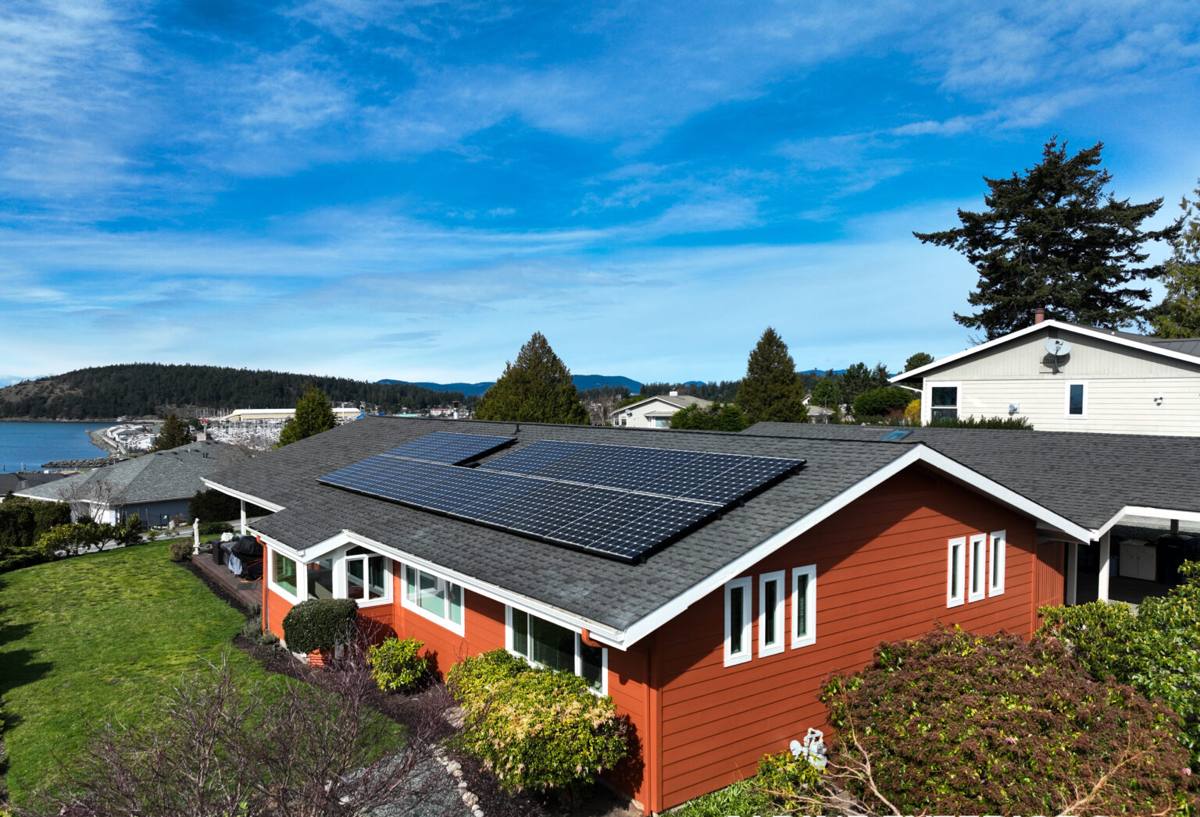
Signs a Silver Beach Home Needs Window Replacement
Most homeowners don't replace windows on a schedule — they replace them when something starts going wrong. In this part of Whatcom County, the early warning signs tend to show up in predictable places:
- Fogging or a permanent haze between the panes, which means the seal has failed and the insulating gas has escaped
- Soft or discolored wood at the bottom corners of the frame or sill, often the first sign of rot
- Windows that are hard to open, close, or lock, which usually points to a warped frame or sash
- Visible moss or dark green staining building up on horizontal trim and sills
- Drafts you can feel near the frame even when the window is fully latched
- Condensation forming on the inside of the glass regularly, especially in colder months
Any one of these on its own might just need a repair. Several of them together, especially on a house that's original to its build or hasn't had windows touched in twenty-plus years, usually means it's time to talk replacement rather than patch-and-wait.
Why Waiting Costs More Here Than Elsewhere
In a drier climate, a failing window seal is mostly an energy-bill problem. In Bellingham's marine climate, it's also a structural problem. Water that gets past a failed seal or a gap in old flashing doesn't dry out quickly — the surrounding air is usually too humid to help it along. That means trapped moisture has more time to soften wood, feed mold growth, and travel into wall framing before anyone notices. Catching window failure early and replacing before that damage spreads is one of the more cost-effective calls a homeowner can make.
What a Correct Window Replacement Job Actually Involves
Window replacement is often sold as a simple swap: old window out, new window in. Done properly, especially in a wet climate, there's more to it than that. A correct install includes:
- Removing the old window and inspecting the framing and sill underneath for hidden rot or water staining before anything new goes in
- Repairing or replacing any damaged framing found during that inspection — installing a new window over compromised wood just seals the problem inside the wall
- Installing proper flashing and a weather-resistant barrier around the opening so water is directed out and away from the frame, not into it
- Setting the new window level, plumb, and square, then securing it per the manufacturer's fastening schedule
- Insulating the gap between the window frame and the rough opening correctly, without over-packing it, which can bow the frame
- Sealing the exterior with a compatible, durable sealant rated for the local climate
- Finishing the interior trim and confirming smooth operation of every sash, lock, and lock point
Skip the inspection step or rush the flashing detail, and a brand-new window can still leak within a few seasons. Most window failures we get called out to fix started as an installation shortcut, not a bad product.
Choosing the Right Window for This Climate
Frame material matters more here than in most parts of the country. We walk every Silver Beach customer through the honest trade-offs rather than pushing one product line:
| Frame Material | Moisture Performance | Maintenance | Best Fit |
|---|---|---|---|
| Vinyl | Won't rot or corrode; performs well in humid, salt-air conditions | Low — occasional cleaning | Most Silver Beach homes, especially value-focused replacements |
| Fiberglass | Excellent moisture and temperature stability, holds paint well | Low to moderate | Homes wanting a longer-term investment or custom paint color |
| Wood (clad exterior) | Good if the exterior cladding is intact; interior wood still needs protection from condensation | Higher — cladding and seals need periodic checks | Homes prioritizing a traditional wood interior look |
| Bare wood | Poor without diligent upkeep in this climate; prone to swelling and rot at joints | High — regular painting and sealing required | Generally not recommended for this exposure unless it's a historic-accuracy requirement |
| Aluminum | Conducts cold, prone to condensation and corrosion near salt air over time | Moderate | Rarely our first recommendation for residential replacements here |
We don't install bare wood or standard aluminum frames on Silver Beach replacement jobs as a matter of standard practice — not because either product is inherently bad everywhere, but because both come with maintenance and moisture trade-offs that don't hold up well against this specific mix of humidity, driving rain, and salt-tinged air without more upkeep than most homeowners want to sign up for. Vinyl and fiberglass consistently perform better here with far less ongoing attention.
Glass Package Matters Too
Beyond the frame, the glass package affects both comfort and moisture control. Double-pane with low-E coating and argon gas fill is the practical baseline for this region — it cuts heat loss, reduces interior condensation on cold mornings, and holds up well through our long wet season. Triple-pane is worth discussing for north-facing rooms or homes right along the water where wind exposure is higher, though it comes at a added cost we'll walk you through honestly.
Our Window Replacement Process
We keep the process straightforward and try not to make homeowners guess what's happening at each stage:
- On-site assessment — we look at every window being considered, check framing condition where accessible, and discuss what's actually driving the need for replacement.
- Product recommendation — based on the house, the exposure, and your budget, not a one-size pitch.
- Written estimate — clear line items, no vague allowances.
- Scheduling — timed around weather windows where possible, since openings are exposed during the swap.
- Removal and inspection — old windows come out, framing gets checked before anything new is set.
- Install — proper flashing, sealing, and fastening per manufacturer spec.
- Walkthrough — every window operated and checked with you before we consider the job finished.
Cost Factors to Expect
Every home is different, but a few factors reliably move the price up or down on Silver Beach window jobs:
| Factor | Effect on Cost |
|---|---|
| Number of windows replaced at once | Per-window cost typically drops with larger batches |
| Frame material chosen | Vinyl is generally the most budget-friendly; fiberglass and clad-wood cost more |
| Hidden framing repair needed | Rot repair discovered during removal adds labor and material cost |
| Window size and configuration | Large picture windows, bays, and custom shapes cost more than standard double-hungs |
| Access and height | Second-story or hard-to-reach windows add labor time |
| Glass package upgrades | Triple-pane or specialty coatings add to the base price |
We'd rather flag a likely cost driver during the estimate than surprise you with it mid-project. If we suspect hidden rot behind a window based on visible signs, we'll say so upfront and explain what happens if we find it.
Checklist: What to Ask Before Hiring Anyone for This Job
- Will you inspect and repair framing if you find rot, or just install over it?
- What flashing and sealing method do you use, and is it suited to a wet marine climate?
- Do you carry manufacturer certification for the window brands you install, and does that affect the warranty?
- Is your labor backed by its own warranty separate from the manufacturer's product warranty?
- Can you provide proof of licensing and insurance for work in Washington State?
- Do you have experience working in this specific neighborhood or similar waterfront-adjacent conditions?
Why a Crew That Already Works Silver Beach Matters
A contractor who mostly works drier inland areas of Whatcom County may not default to the flashing details, sealants, and frame materials that hold up against this neighborhood's exposure. Someone who works Silver Beach and similar Bellingham neighborhoods regularly already knows which failure patterns show up here — where moss builds up fastest, which sill details tend to trap moisture, and which products actually perform through a full wet season rather than just looking good on install day. That local pattern recognition is hard to get from a crew that only passes through once.
It also matters for warranty follow-through. A contractor based in the area is the one who's still around a few years later if a seal needs a warranty check or a sash needs adjusting after the house settles. That accountability is worth as much as the install itself.
If your Silver Beach home has windows showing any of the wear signs above, or you're simply due for an upgrade, we're happy to come take a look. We'll give you a straightforward, no-pressure estimate and an honest read on what your windows actually need — you can request one using the form below.