 Bellingham Exterior
 Decks Built for How Barkley Actually Weathers
Barkley sits close enough to Bellingham Bay and the surrounding waterways that homes here deal with a specific combination of stressors: salt-laden air, wind-driven rain that finds its way into places a dry-climate deck was never designed to handle, and a moss season that can run from fall well into spring. A deck built with generic, one-size-fits-all methods might look fine the day it's finished and still show real problems — soft boards, rusting hardware, slick surfaces, rot at the ledger — within a few seasons. Building correctly for this neighborhood isn't about upselling premium materials across the board; it's about knowing which decisions actually matter here and which don't.
This page covers what a custom deck built for Barkley conditions should include, how we approach the job from first visit to final walkthrough, and why experience with this specific part of Whatcom County changes the outcome.
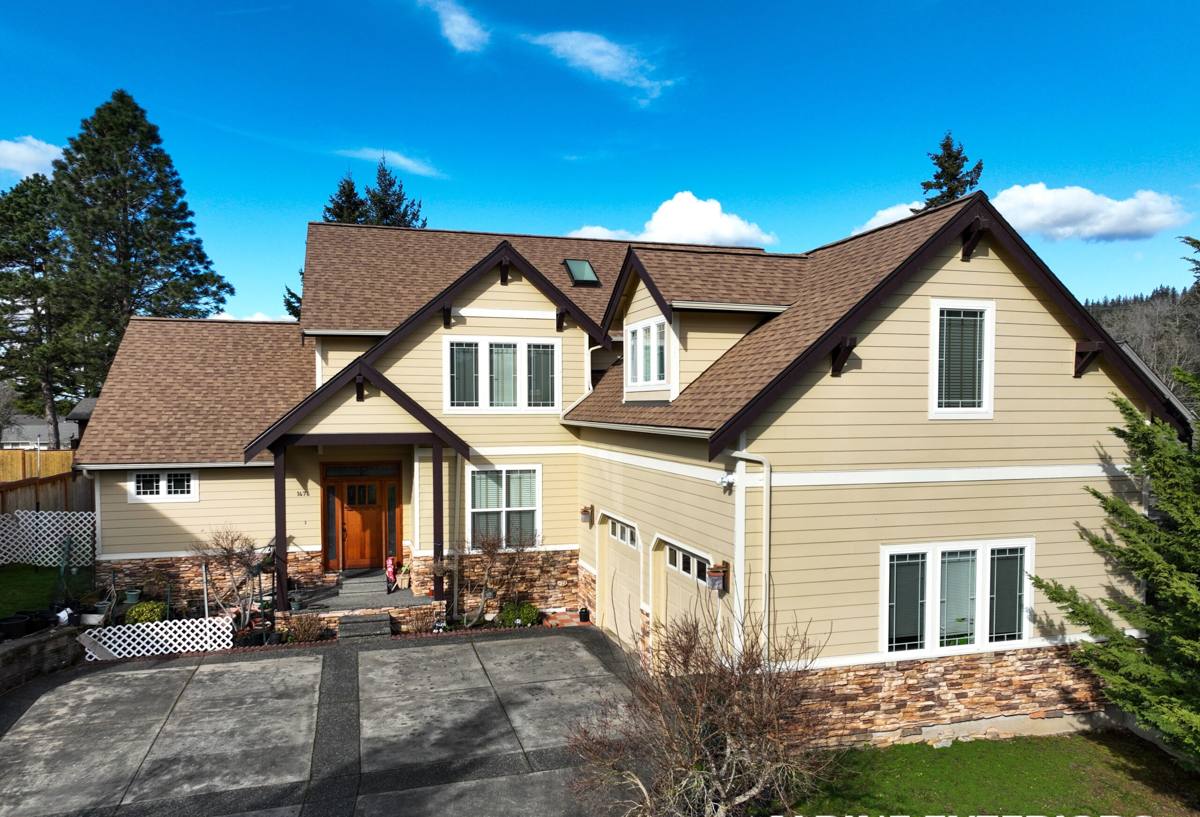
What Makes Barkley's Conditions Different
Three factors shape almost every decision on a Barkley deck project:
Salt Air
Proximity to the water means airborne salt settles on exposed metal, wood surfaces, and finishes year-round, not just during storms. Fasteners, brackets, and railing hardware that aren't rated for a marine or coastal environment corrode faster here than the same products would inland, sometimes staining the wood around them long before the hardware itself fails structurally.
Driving Rain
Bellingham's rain rarely falls straight down. Wind pushes it sideways into ledger connections, under poorly flashed rim joists, and into any gap where end grain is exposed. A deck that isn't detailed for driving rain will trap moisture in exactly the places you can't see it — behind ledger boards, inside post bases, under railing posts — until the damage is already structural.
Long Moss Season
Shade, moisture, and mild temperatures give moss and algae a long window to establish on horizontal wood and composite surfaces. Beyond the cosmetic issue, moss holds moisture against the decking surface and makes stairs and low-traffic areas genuinely slippery for months at a time if the deck wasn't designed with drainage and airflow in mind.
Choosing the Right Decking Material for This Neighborhood
There's no single "best" decking material for every Barkley property — it depends on sun exposure, tree cover, budget, and how much upkeep a homeowner actually wants to do. Here's how the common options compare under local conditions:
| Material | Moisture & Salt Air Behavior | Maintenance Here | Typical Look Over Time |
|---|---|---|---|
| Pressure-Treated Fir/Pine | Good rot resistance when properly sealed; needs re-sealing to stay effective | Annual cleaning, re-staining every 2-3 years | Can gray and check without upkeep |
| Western Red Cedar | Naturally moisture and insect resistant; still needs sealing at end grain and fasteners | Cleaning plus periodic oil or stain | Ages to silver-gray if left unfinished, warm tone if maintained |
| Composite (capped) | Very stable in wet, salty conditions; doesn't absorb water like wood | Periodic washing to keep moss/algae from gripping the surface | Consistent color and texture long-term |
| Tropical Hardwoods (e.g., ipe) | Extremely dense and rot-resistant, but installation sensitivity is high | Oiling to maintain color, or allow to gray naturally | Very durable if installed correctly |
Composite has become the more common choice in wetter, shadier parts of Bellingham simply because it removes the sealing/staining cycle from the maintenance schedule. That said, cedar and quality pressure-treated framing still have a place, especially for homeowners who want a natural look and are willing to keep up with finish maintenance. We'll walk through the honest trade-offs for your specific site rather than defaulting to whatever's easiest to sell.
Framing Material Matters Too
Even with composite or hardwood decking on top, the substructure is almost always wood, and that's where a lot of the real climate exposure happens. Using appropriately rated pressure-treated framing lumber, and detailing it so water sheds away from joints rather than pooling in them, matters more to the deck's lifespan than the decking material choice alone.
What a Correctly Built Deck Requires in This Climate
A deck that's going to hold up through repeated Bellingham winters needs a handful of details done right, most of which aren't visible once the project is finished:
- Ledger board flashing — a properly integrated flashing system where the deck meets the house, so wind-driven rain can't work its way behind the ledger and into the rim joist or wall framing.
- Joist tape or cap protection — sealing the tops of framing lumber where deck screws penetrate, so water doesn't sit in the fastener holes and start rot from the inside out.
- Proper drainage slope — a slight pitch away from the house so water sheets off the surface instead of pooling against siding or door thresholds.
- Ventilated understructure — enough airflow beneath the deck that framing can dry out between rain events instead of staying damp for weeks at a time.
- Footings sized for our soil and frost conditions — set to the depth and bearing requirements that hold up through wet winters without shifting.
- Corrosion-resistant fasteners and connectors — hardware rated for coastal/marine exposure, not standard interior-grade fasteners that will rust and stain within a couple of seasons.
None of this is exotic. It's standard good practice — but it's also exactly what gets skipped when a deck is built fast and cheap, and it's the difference between a deck that needs major repair in five years and one that's still solid in twenty.
Moss, Algae, and Long-Term Surface Care
Given how long moss season runs here, we design decks to make ongoing moss and algae control as easy as possible rather than pretending it won't be an issue. That means accounting for sun exposure and tree canopy when planning board spacing and orientation, choosing surface materials that don't hold moisture the way bare untreated wood does, and making sure drainage keeps water from sitting on the deck surface after a storm passes through.
Even with good design, homeowners in shadier parts of Barkley should expect to do periodic cleaning — a simple wash-down a couple of times a year keeps moss from establishing a foothold and keeps stairs and walking surfaces from becoming a slip hazard through the wetter months.
Railings, Stairs, and Hardware Near the Water
Railing posts and stair stringers take more direct weather exposure than the deck field itself, since they're vertical and catch driving rain from more angles. We pay particular attention to post base connections and railing hardware in Barkley projects specifically because salt-air corrosion shows up on metal components well before it shows up anywhere else on the structure. Using stainless or coated hardware rated for coastal exposure, and detailing post bases so water doesn't collect at the base of each post, extends the life of the parts of the deck that get the roughest treatment from the weather.
Permits and Local Requirements
Deck projects in and around Bellingham typically require a permit once they exceed certain size or height thresholds, and requirements can vary depending on whether the property falls under City of Bellingham or Whatcom County jurisdiction, along with any setback or lot-specific considerations. We handle the permitting process as part of the project so homeowners aren't left figuring out code requirements on their own, and so the finished deck is built to inspection standards rather than just "looking right."
Our Process, Start to Finish
- On-site assessment — we look at sun exposure, drainage patterns, tree cover, and how the deck ties into the existing structure before recommending materials.
- Honest material and design conversation — we walk through the real trade-offs between decking materials and railing options for your specific site and budget, not a one-size-fits-all pitch.
- Permitting — we prepare and submit what's needed for your jurisdiction so the project is built to code from the start.
- Framing and structural work — footings, ledger flashing, joist protection, and drainage detailing done to hold up through our wet season, not just to pass a quick inspection.
- Decking, railing, and finish work — installed with attention to the fastener and hardware choices that matter most in a salt-air environment.
- Final walkthrough — we go over basic care and what to expect through the first moss season so there are no surprises.
Signs an Existing Barkley Deck Needs Attention
If you already have a deck and are weighing repair versus replacement, these are the warning signs worth taking seriously before they become structural:
- Soft or spongy spots underfoot, especially near the house connection or stair landings
- Rust streaking around fasteners, brackets, or railing posts
- Persistent moss or algae that returns quickly even after cleaning
- Gaps or separation where the ledger board meets the house siding
- Railing posts that feel loose or flex when pushed
- Visible daylight or water staining underneath the deck near joist ends
Any of these can usually be traced back to a moisture-management detail that wasn't handled correctly the first time around — which is exactly the kind of thing a rebuild lets us fix properly instead of patching over.
Why Local Experience in Barkley Actually Matters
A contractor who's worked this specific area already knows how the tree cover, water proximity, and drainage patterns in Barkley differ from a deck built on a dry, sun-exposed lot elsewhere in Whatcom County. That familiarity shows up in smaller decisions — how steep to pitch the drainage, which side of the house catches the worst of the driving rain, how much airflow a given site needs under the structure — that a crew unfamiliar with the neighborhood might not think to ask about. It's the difference between a deck that's technically built to code and one that's actually built for where it sits.
If you're planning a new deck or considering a rebuild in Barkley, we're happy to take a look at your property and talk through what makes sense for your site. Reach out for a free, no-pressure estimate using the form below.