 Bellingham Exterior
 Window Replacement Built for the Barkley Area
Barkley sits close enough to the water and the surrounding tree cover that its homes take on a specific kind of weather stress. Salt-laden air off Bellingham Bay works on metal hardware and fasteners. Driving rain off Puget Sound pushes water sideways into gaps that a calm-weather install would never expose. And a long, wet moss season keeps humidity high against north- and west-facing walls for months at a time. None of that is dramatic on its own, but stacked together year after year, it's exactly the combination that ages out old windows faster than homeowners expect.
Window replacement in this part of Whatcom County isn't just a matter of swapping glass. It's a moisture-management job first and a cosmetic upgrade second. A window that looks fine but was installed without the right flashing or sealant detail can leak for years before anyone notices the damage inside the wall. This page walks through what Barkley homes actually need, what a correct install involves, and how our process is built around this specific climate.
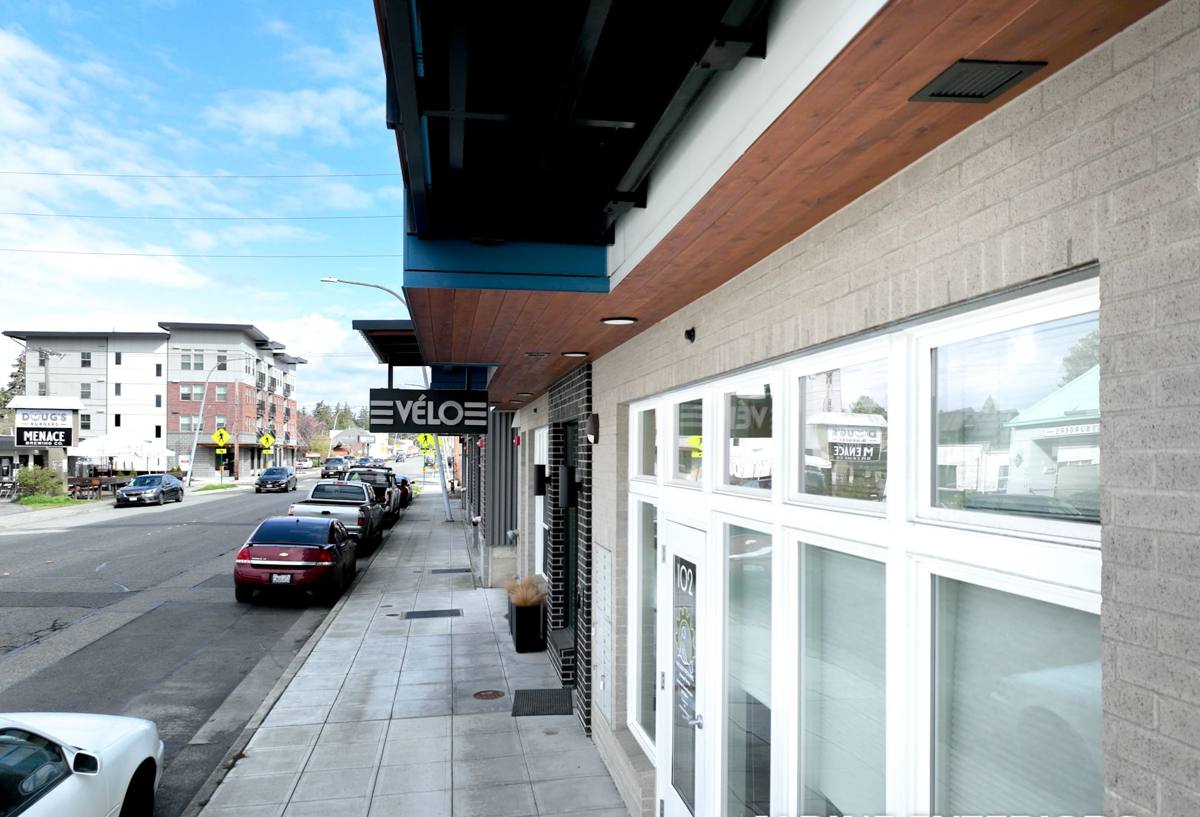
What Bellingham's Climate Does to Older Windows
Salt Air and Hardware Corrosion
Even a few miles inland, salt air carries enough moisture and mineral content to slowly corrode window hardware — hinges, locks, balance springs, and especially uncoated or lower-grade fasteners. Once corrosion sets in, windows stop closing tightly, which lets in more moisture and more air, which accelerates the whole cycle. On older aluminum-frame windows in particular, this shows up as pitting, stiff operation, or hardware that simply stops working.
Driving Rain and Wind-Driven Water Intrusion
Bellingham doesn't get the heaviest rainfall in the state, but a good share of it arrives sideways, pushed by wind off the bay. Wind-driven rain doesn't just sit on a windowsill — it gets forced up and under trim, behind cladding, and into any gap in the flashing. Windows that were caulked instead of properly flashed are the most common failure point we see, because caulk alone can't manage water that's being pushed uphill by wind pressure.
Moss Season and Sustained Humidity
Whatcom County's long wet season keeps exterior surfaces damp for extended stretches, and shaded or north-facing walls stay that way even longer. That sustained humidity is what lets moss and mildew take hold on sills, trim, and cladding — and it's also what slowly breaks down wood components and unsealed seams around older window units. A window that's been sitting in damp trim for a decade is often softer and more compromised than it looks from the curb.
Signs a Barkley Home May Need Window Replacement
Some of these are obvious; others take a closer look to catch. If you're seeing more than one or two of these, it's worth having the windows assessed before the next wet season.
- Visible moss, algae, or dark staining building up on sills or lower trim
- Soft or spongy wood when you press on the sill or bottom corners of the frame
- Windows that are hard to open, close, or lock — often a sign of corroded hardware or a warped frame
- Fogging or a persistent haze between panes on double-pane units (a sign the seal has failed)
- Cold drafts near the window even when it's fully closed
- Peeling or bubbling paint on interior trim around the window, which often points to trapped moisture
- Noticeably higher heating bills compared to similar homes nearby
- Condensation forming on the inside of the glass regularly during colder months
What a Correct Window Replacement Job Involves
It Starts Below the Window, Not At It
The single most important part of a window replacement isn't the window itself — it's what happens to the wall opening once the old unit is out. That's when we can actually see whether water has been getting behind the old frame, whether the sheathing is sound, and whether the existing flashing was ever done correctly. Skipping this step and just dropping a new window into a compromised opening is how homeowners end up with the same leak problem in a newer-looking frame.
Flashing and Moisture Barrier Detail
A correct install builds a drainage path: house wrap or building paper integrated with sill pan flashing, side flashing that laps correctly with the wall's water-resistive barrier, and head flashing that sheds water out and away from the top of the window. Done right, any water that gets past the exterior trim has a way out. This detail matters more in Bellingham's climate than almost anywhere in the state, given how often wind-driven rain tests it directly.
Frame Material Matched to Exposure
Not every wall of a house faces the same conditions. A window on a sheltered, south-facing wall doesn't need the same moisture resistance as one on an exposed, north- or west-facing wall that takes the brunt of driving rain and stays shaded through moss season. Part of a proper assessment is looking at exposure wall by wall, not just picking one product for the whole house by default.
Glass and Energy Performance
Double-pane, low-E glass is the practical baseline for this region — it manages both heat loss and the condensation that comes with cold glass in a humid climate. Triple-pane adds further insulation value and is worth discussing for homes with higher heating costs or rooms that run noticeably cold, though it comes at a higher cost and added weight that some older frames aren't built to support.
Choosing the Right Window Materials for This Climate
There's no single "best" window material — the right choice depends on exposure, maintenance appetite, and budget. Here's how the common options compare for a Bellingham-area home:
| Material | Moisture Behavior | Maintenance | Typical Cost Range |
|---|---|---|---|
| Vinyl | Won't rot or corrode; performs well in wet climates | Low — occasional cleaning | Lower to mid-range |
| Fiberglass | Very stable in moisture and temperature swings; minimal expansion/contraction | Low | Mid to upper-mid |
| Wood-clad | Good if the cladding and seals are intact; interior wood still needs protection | Moderate to high — seals and finish need monitoring | Upper range |
| Aluminum | Prone to corrosion in salt-influenced air; poor insulator | Moderate | Varies |
We don't install every option on this list for every situation. On exposed walls that take direct driving rain, we lean toward vinyl or fiberglass because they hold up to sustained moisture without the ongoing maintenance burden that wood-clad units require in this climate. Wood-clad can still be the right call for homes where matching an existing look matters, but we'll be upfront about the maintenance commitment that comes with it here.
Our Window Replacement Process
1. On-Site Assessment
We look at each window individually — exposure, current condition, hardware, and any signs of moisture already present in the trim or sill. This is also when we talk through material options based on what that specific wall actually faces.
2. Removal and Opening Inspection
Once the old window is out, we check the sheathing and existing flashing before anything new goes in. If there's hidden rot or a flashing detail that was never done correctly, we address it at this stage rather than building over it.
3. Install with Proper Flashing and Sealing
New sill pan flashing, correctly lapped side and head flashing, and the appropriate sealant at every joint — not caulk as a substitute for flashing. The window is set, shimmed, and secured so it operates correctly and sits flush and square.
4. Trim, Cleanup, and Final Check
Exterior trim is finished, interior trim is reset or replaced as needed, and every window is tested for smooth operation and a tight seal before we consider the job done.
What Affects the Cost of a Window Replacement
Costs vary by project, but the main drivers are consistent across most Barkley-area homes:
- Number of windows and whether they're being done all at once or in phases
- Frame material selected (vinyl, fiberglass, and wood-clad price differently)
- Whether the existing opening has hidden rot or flashing problems that need repair
- Window size and configuration — large picture windows or unusual shapes cost more than standard units
- Single or double-pane vs. triple-pane glass
- Full-frame replacement (removing down to the studs) vs. insert replacement (new unit into the existing frame), where full-frame costs more but is often the right call on an older, moisture-compromised opening
We'll always explain which of these apply to your home specifically rather than quoting off a generic price list — a home with sound framing and good exposure costs less to do right than one with hidden water damage from years of an undersized flashing detail.
Why a Crew That Already Works in Barkley Matters
A contractor who works this area regularly already knows which walls tend to take the worst of the wind-driven rain, what moss buildup usually signals underneath it, and which materials hold up without turning into a maintenance project. That's not something you get from a crew that mainly works drier parts of the state and treats every Whatcom County job the same as one in eastern Washington. Getting the flashing and material choice right the first time is cheaper than fixing a leak that shows up two winters later.
If you're weighing whether it's time to replace windows on your Barkley-area home, we're happy to take a look and give you an honest read on what's actually needed — no pressure, no inflated urgency. Use the form below to request a free estimate.