 Bellingham Exterior
 Roof Replacement for Birchwood Homes
Birchwood homeowners deal with a specific mix of weather that doesn't show up the same way in drier parts of Washington. Salt-laden air off the water, long stretches of driving rain, and a moss season that seems to start earlier every year all work on a roof at the same time. A roof replacement done right in this neighborhood has to account for all three, not just the one that's most visible when you're standing on a ladder looking at curling shingles or a stained ceiling.
This page covers what a proper roof replacement looks like for Birchwood specifically: the conditions your roof is actually fighting, what a correct tear-off and install involves, how we run the job from estimate to cleanup, and why local experience matters more than most homeowners realize until it's missing.
What Bellingham's Climate Does to a Roof
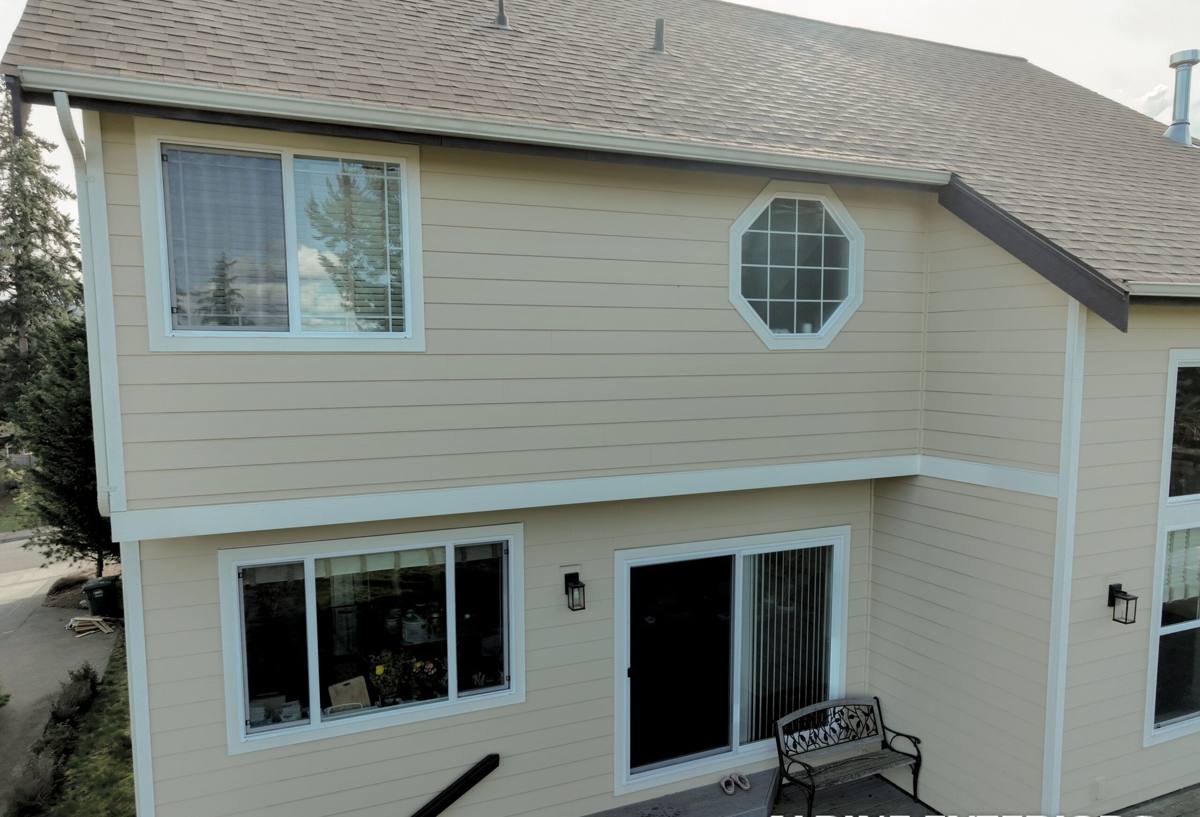
Whatcom County sits in a marine climate zone, and Birchwood's proximity to the water means the air carries more moisture and salt than inland neighborhoods just a few miles away. That combination shows up in roofing failures in a few predictable ways.
Salt Air and Metal Fatigue
Salt air accelerates corrosion on exposed metal — flashing, fasteners, vent caps, gutter hardware. Standard galvanized fasteners and thin-gauge flashing can start showing rust streaks years before they would inland. This doesn't mean metal roofing components are a bad choice; it means the grade of metal and the fastener spec matter more here than they would in Spokane or Yakima.
Driving Rain and Wind-Driven Water
Bellingham doesn't just get a lot of rain — it gets a lot of rain pushed sideways by wind coming off the Sound. That matters because standard installation details that work fine in calm, vertical rainfall can leak under wind-driven conditions. Underlayment laps, flashing overlaps, and valley details all need to be built for water moving sideways and uphill under wind pressure, not just water running straight down.
Moss and Prolonged Dampness
Whatcom County's moss season runs long — shaded, north-facing slopes and roofs under mature tree cover can stay damp for weeks at a stretch during fall and winter. Moss holds moisture against the roofing surface, and over years that moisture works its way under shingle tabs and into fastener penetrations. A roof that's been neglected for moss control often has more underlying deck damage than it looks like from the ground.
Signs a Birchwood Roof Needs Replacing, Not Patching
Not every roof problem calls for a full replacement, and we'll tell you honestly when a repair is the better call. But certain signs point to a roof that's past the point where patching makes financial sense.
- Granule loss heavy enough that you're finding grit in gutters and downspouts every season
- Shingles that are cupping, curling, or cracking across multiple slopes, not just one exposed area
- Moss growth that returns within months of cleaning, especially on north-facing or shaded slopes
- Soft spots or sagging when walked on, which usually means deck damage underneath
- Daylight visible through the roof deck from the attic, or water staining on rafters
- A roof approaching or past 20 years old with no major work done, regardless of how it looks from the street
- Repeated leak calls in different spots each year rather than one recurring failure point
What a Correct Roof Replacement Involves
A roof replacement is more than swapping old shingles for new ones. The parts of the job that don't show up in a driveway estimate are usually the parts that determine whether the roof performs for its full expected life in this climate.
Tear-Off and Deck Inspection
We remove the existing roofing down to the deck rather than layering over it. This is the only way to actually see the condition of the sheathing — soft, delaminated, or water-stained plywood needs to be identified and replaced before anything new goes down. Roofing over a compromised deck just hides the problem for a few more years.
Ice and Water Barrier at Vulnerable Points
Eaves, valleys, and areas around penetrations get self-adhering ice and water barrier, not just standard felt. Given how much wind-driven rain this area sees, these details matter more here than in drier climates where a single layer of underlayment might be adequate.
Ventilation
Proper intake and exhaust ventilation keeps the attic space closer to outdoor temperature and humidity, which reduces condensation buildup and helps shingles last their rated lifespan. In a damp climate like Bellingham's, poor ventilation is one of the more common reasons roofs fail early from the underside rather than the surface.
Flashing and Metal Details
All flashing — step flashing, counter-flashing, valley metal, and vent boots — gets replaced as part of the job, not reused. Given the corrosion pressure from salt air, we spec metal and fasteners that hold up to it rather than the minimum standard grade.
Moss Prevention Built In
Where it fits the roof design, we install zinc or copper strips near the ridge, which release trace amounts of metal ions that inhibit moss growth as rain washes over them. It's a passive, low-maintenance step that reduces how aggressively a Birchwood roof needs moss treatment down the road.
Roofing Material Comparison for This Area
| Material | Performance in Salt Air / Moss Climate | Typical Lifespan | Maintenance Considerations |
|---|---|---|---|
| Architectural asphalt shingles | Good with proper ventilation and moss-resistant details; widely used locally | 25–30 years | Periodic moss treatment on shaded slopes |
| Standing seam metal | Excellent water shedding under wind-driven rain; needs corrosion-resistant coating near the water | 40–50+ years | Minimal; occasional fastener and sealant checks |
| Composite / synthetic shake | Good moisture resistance, holds up well to damp shaded areas | 30–50 years | Low; less prone to moss than wood shake |
| Cedar shake | Attractive but requires diligent moss and moisture management in this climate | 20–30 years with upkeep | Higher; needs regular treatment and inspection |
We'll talk through these trade-offs honestly based on your home's exposure, roof pitch, and budget rather than pushing one product across every job.
How We Approach the Job in Birchwood
Because we already work regularly in this part of Bellingham, we're familiar with the kind of roof exposure — tree cover, water proximity, prevailing wind direction — that shapes how a specific home's roof needs to be built. That's not a substitute for looking at your actual roof, but it does mean fewer surprises once we're up there.
Our Process
- On-site inspection of the current roof, attic ventilation, and any visible deck or leak issues
- A written estimate that spells out material options, scope, and what's included — no vague line items
- Scheduling that accounts for Whatcom County's wetter months, so tear-off and dry-in happen with weather margin built in
- Tear-off, deck repair as needed, and full replacement of underlayment and flashing
- Final walkthrough with photos of completed work and a review of any workmanship warranty terms
- Daily site cleanup, including magnetic sweeps for stray fasteners
Why Local Experience Matters Here
A roofing crew that mostly works drier, inland climates can still do competent work, but they're often calibrating to conditions that don't match what a Birchwood roof actually experiences. Underlayment choices, flashing overlap requirements, and moss-prevention details that are "extra" in other parts of the state are closer to standard practice here. A crew that already works Whatcom County roofs day to day isn't guessing at how much margin to build in for wind-driven rain or how aggressive moss treatment needs to be on a shaded slope — it's just how the job gets built.
That local familiarity also shows up in smaller ways: knowing which slopes on a typical Birchwood lot stay shaded longest, which parts of the neighborhood catch the most wind off the water, and how local permitting and inspection processes typically run.
What Affects Your Roof Replacement Cost
Every roof is different, but a few factors consistently move the price on jobs in this area:
| Factor | Why It Matters |
|---|---|
| Roof size and number of slopes | More square footage and complexity means more material and labor time |
| Deck condition | Rotted or delaminated sheathing found during tear-off adds material and labor |
| Material choice | Asphalt, metal, and composite options carry different upfront costs and lifespans |
| Roof pitch and access | Steep or hard-to-access roofs take longer and require more safety setup |
| Ventilation upgrades | Adding proper intake/exhaust venting where it's missing adds scope but pays off long-term |
| Moss prevention features | Zinc/copper strips and treatment add a modest cost relative to callback risk |
We give straightforward, itemized estimates so you can see exactly what's driving the number rather than a single lump figure.
Ready for an Honest Look at Your Roof
If your Birchwood roof is showing its age, dealing with recurring moss, or you just want a straight answer on whether replacement makes more sense than another round of repairs, we're happy to take a look. The estimate is free, there's no pressure attached to it, and you'll get a clear picture of what your roof actually needs — just fill out the form below to get started.