 Bellingham Exterior
 Window Installation Built for Birchwood's Climate
Birchwood sits close enough to Bellingham Bay that its weather isn't quite the same as a home ten miles inland. Salt-tinged marine air moves through the neighborhood steadily, rain gets driven sideways against west- and south-facing walls during winter storms, and shaded, tree-lined lots hold onto damp air long after the rain itself has stopped. None of that makes window installation fundamentally different here — a window still has to keep water out, hold its seal, and let a homeowner open it without a fight. But it does mean the margin for error is thinner than it would be in a drier part of the state, and it's exactly why a window job that looks fine on move-in day can start leaking or fogging within a few wet seasons if the installation cut corners.
This page focuses specifically on window installation for homes in Birchwood — what the local climate actually demands, what separates a correct install from a rushed one, and how we run the job from the first look at the opening to the final walkthrough.
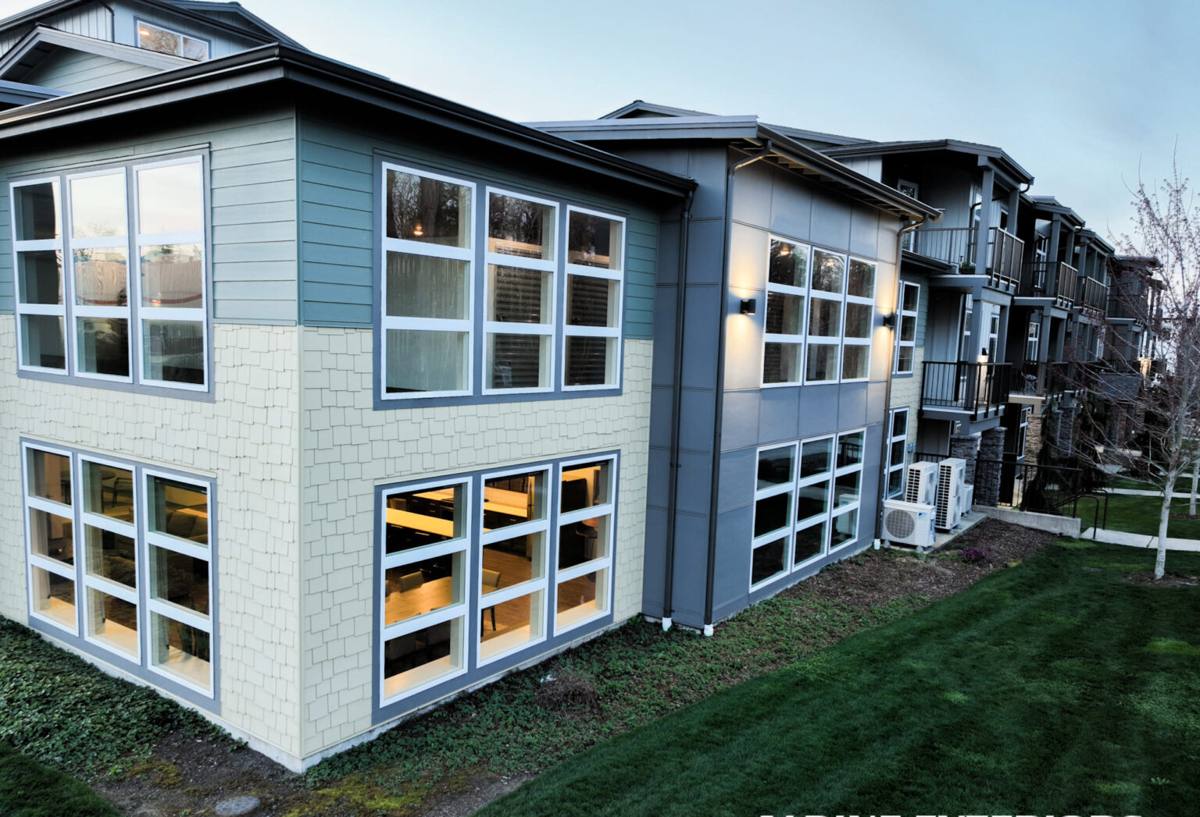
What Whatcom County's Marine Climate Demands From a Window Install
A window is a manufactured product tested to a standard, but the standard doesn't account for the specific wall it's going into or the specific weather that wall faces. In Birchwood, that means a few things matter more than they would somewhere drier or more sheltered.
Wind-Driven Rain
Rain here doesn't always fall straight down and run off. During winter storms off the water, it gets pushed sideways and forced upward against the building envelope, which puts real pressure on window edges, sills, and the flashing behind them. A window that would perform fine under a gentle vertical rain can still leak at the sill if the flashing sequence underneath wasn't built to shed water that's coming in at an angle.
Salt Air and Corrosion
Homes closer to the water deal with a slow corrosive effect on unprotected metal — hardware, fasteners, and lower-grade flashing all age faster here than they would further inland. It's rarely dramatic. It shows up years later as a stiff lock mechanism, a rusted flashing edge, or hardware that seizes up long before the glass or frame shows any wear.
Condensation and a Long Moss and Mildew Season
Shaded lots and a long damp season give condensation and mildew a lot of time to work. Single-pane and older double-pane windows in Birchwood commonly show interior condensation on cold mornings, and that moisture, if it's sitting against wood trim or sills for months at a stretch, contributes to rot well before most homeowners notice a problem. Correct glazing selection and proper sealing at the frame reduce how much of that moisture ever reaches the wood in the first place.
Wood Movement and Settling
Older homes in this part of Bellingham have had decades to settle, shift, and season. Rough openings are rarely perfectly square anymore, and that has a direct effect on how a replacement window needs to be measured, shimmed, and sealed if it's going to perform the way the manufacturer intended.
What a Correct Window Installation Actually Involves
Installing a window well is a sequence, not a single step, and skipping or rushing any one part of that sequence is where most failures start. On a Birchwood home, a correct install generally works through the following stages.
Removal and Opening Inspection
The old window comes out carefully so the framing and sheathing underneath can actually be seen and assessed. This is the point where hidden rot, old water staining, or a previous flashing failure gets caught — problems that are invisible from outside and easy to seal back over if nobody looks closely.
Measuring the Real Opening
The actual rough opening gets measured, not the nominal size of the window coming out. On an older Birchwood home, those numbers are frequently different by enough to matter, and a replacement window ordered off the old unit's label rather than the real opening is a common source of gaps and improvised shimming later.
Repairing What's Underneath
Any rot, soft framing, or degraded old flashing found during removal gets addressed before a new window goes in. Installing a new window over a compromised opening just delays the same problem and usually makes it more expensive to fix once it resurfaces.
Flashing and Water Management
Sill pan flashing, side flashing, and head flashing get installed in the correct shingle-lap sequence, so water is always directed outward and downward at every layer rather than trapped behind the siding. This is the single most important detail for a home exposed to wind-driven rain, and it's also the detail most likely to get shortcut on a low-bid job because it's invisible once the trim goes back on.
Setting, Shimming, and Sealing
The new window gets set square and plumb, shimmed evenly so it isn't carrying stress that could distort the frame over time, and the gap between the window and rough opening is sealed and insulated with materials suited to that gap — not just a bead of caulk and a can of spray foam treated as the entire strategy.
Exterior Trim and Finish
Trim and exterior finish work get completed so water sheds away from every seam rather than sitting against it. This is also the point where small gaps that would otherwise become an entry point for moisture or pests get closed up properly.
Choosing a Frame Material for a Birchwood Home
Frame material affects both how a window performs in this climate and how much upkeep it asks for over the years. We'll talk through the honest trade-offs for your specific home rather than defaulting to whichever product is fastest to install.
| Frame Material | Maintenance | Fit for Birchwood's Marine Climate |
|---|---|---|
| Vinyl | Low — no painting, resists moisture well | Strong all-around choice; handles damp, salt-tinged air with minimal upkeep |
| Fiberglass | Low — very stable, holds paint well if a custom color is wanted | Excellent dimensional stability through temperature and moisture swings; a strong long-term option |
| Wood | High — regular painting or sealing required | Classic look for period homes, but needs consistent upkeep to resist rot in a wet climate |
| Wood-Clad | Moderate — exterior cladding protects the wood interior | A reasonable middle ground where interior wood aesthetics matter and the exterior is properly protected |
| Aluminum | Low — durable, but conducts heat and cold readily | Less common in residential work here due to condensation risk on cold surfaces |
For most Birchwood homes, vinyl and fiberglass frames offer the best combination of moisture resistance and low long-term maintenance. A wood-clad option can still make sense on an older or period home where the interior look matters, as long as the exterior cladding and flashing detail are handled correctly from day one.
Glass and Glazing Choices Worth Understanding
The glass package matters as much as the frame, especially given how many Birchwood homes deal with condensation on cold, damp mornings. Standard double-pane windows with a low-E coating and argon gas fill are the practical baseline for this climate — they cut down on heat loss and interior condensation compared to older single-pane or basic double-pane units. Triple-pane glass adds a further step of insulation and noise reduction, which is worth considering on a home close to a busier road or on a north-facing wall that stays cold and shaded for much of the year, though it comes at a real cost premium that isn't necessary for every window in every room.
Cost Factors Worth Understanding
Two quotes for what looks like the same job can land far apart, and the gap is almost always real differences in scope rather than one contractor padding a number. Knowing what actually drives cost makes it much easier to compare bids that look nothing alike on paper.
| Factor | What It Affects |
|---|---|
| Window size and quantity | Material and labor cost scale directly with the number and size of openings |
| Frame material | Vinyl, fiberglass, wood, and wood-clad units differ in upfront cost and long-term upkeep |
| Glass package | Low-E coatings, argon fill, and triple-pane options add cost and improve performance |
| Opening condition | Rot repair or reframing found during removal adds labor before the new window goes in |
| Flashing and sealing scope | How thoroughly water management is addressed at sills, sides, and heads |
| Access and floor level | Upper-floor windows or tight lot access can add labor time and staging needs |
A written estimate that itemizes these components separately gives you far more useful information than a single lump-sum price. It's worth asking any contractor to walk through exactly what's included, line by line, before comparing numbers side by side.
How Our Process Works
We keep the process straightforward because a job affecting the windows throughout your home deserves clear communication at every step, not surprises after the fact.
- In-person walkthrough: We look at each opening in person, not from a photo, and note the condition of framing, siding, and existing trim around every window being replaced.
- Written estimate: You get an itemized bid covering removal, any repair work, window product and glazing selection, flashing, and finish trim — not a single vague line item.
- Scheduling around weather: We build reasonable flexibility into the timeline, since wet-season delays are a normal part of working in Whatcom County, not an excuse we reach for later.
- Removal and opening repair: Old windows come out carefully, and any rot or damaged framing found underneath gets repaired before anything new goes in.
- Flashing and installation: Each new window is set, shimmed, flashed, and sealed to manufacturer specification, with extra attention at sills and corners.
- Trim and final walkthrough: Exterior and interior trim get finished, and we review the completed work with you in person before we consider the job done.
Why Hiring a Crew That Already Works in Birchwood Matters
A crew that regularly installs windows in and around Birchwood has already seen how salt-tinged air ages unprotected hardware, how wind-driven rain finds its way past a rushed flashing job, and which walls in this neighborhood hold dampness longest through the winter. That's practical knowledge that shows up in dozens of small decisions over the course of a job — decisions a crew unfamiliar with this specific pocket of Bellingham might not think to make at all.
It also matters after the job is finished. A workmanship warranty is only as good as the company standing behind it years down the road, and a contractor with an established, ongoing presence in the area is one you can actually reach if a question comes up later, not a name that's moved on somewhere else.
A Practical Checklist Before You Choose a Window Contractor
- Do they inspect the actual rough opening and framing, not just quote off the old window's size?
- Does the estimate specify flashing method, frame material, and glazing package, not just "new windows"?
- Is any rot or framing repair found during removal addressed before the new window goes in?
- Do they carry current WA contractor licensing, liability insurance, and workers' compensation?
- Can they point to recent, real work in or near Birchwood or the surrounding Bellingham area?
- Does the bid clearly separate the manufacturer's product warranty from the contractor's own workmanship warranty?
Signs Your Birchwood Windows May Need Attention
Windows rarely fail all at once. They tend to show warning signs well before a leak or a full seal failure, and catching those signs early is often the difference between a simple repair and a full replacement.
- Condensation or fogging between the panes, which usually means the seal on a double-pane unit has failed
- Windows that are difficult to open, close, or lock, especially after damp weather
- Visible gaps, soft wood, or peeling paint at the sill or surrounding trim
- A noticeable draft near the window frame even when it's fully closed
- Water staining on interior walls or sills below or beside a window
- Persistent moss, mildew, or dark staining on trim around shaded or north-facing windows
If any of this sounds familiar, it's worth having the windows looked at before the next stretch of wet weather rather than waiting for a leak to force the decision.
If you'd like an honest, no-pressure look at your Birchwood home's windows and a written estimate you can compare against anything else you've received, we're glad to come take a look. Use the form below to request a free estimate.