 Bellingham Exterior
 Why Blaine Windows Wear Out Faster Than People Expect
Blaine sits right at the edge of Whatcom County, close enough to the water that salt air is part of daily life, not an occasional visitor. That air carries moisture and fine salt particles that settle on window frames, hardware, and glazing seals year-round. Combine that with the long, wet stretch of fall and winter when driving rain comes in sideways off the water, and you've got a climate that tests window assemblies harder than most inland areas of Washington ever will.
Add in moss season, which in this part of Whatcom County can run several months out of the year. Moss doesn't just grow on roofs. It creeps into window sills, tracks, and the gaps around older trim, holding moisture against wood and vinyl surfaces long after the rain stops. Over years, that constant damp cycle is what quietly rots sills, clouds double-pane glass, and corrodes hardware that was never rated for a marine environment in the first place.
None of this means Blaine homes need exotic solutions. It means the replacement has to be specified and installed with this exposure in mind, not treated like a generic swap-and-go job.
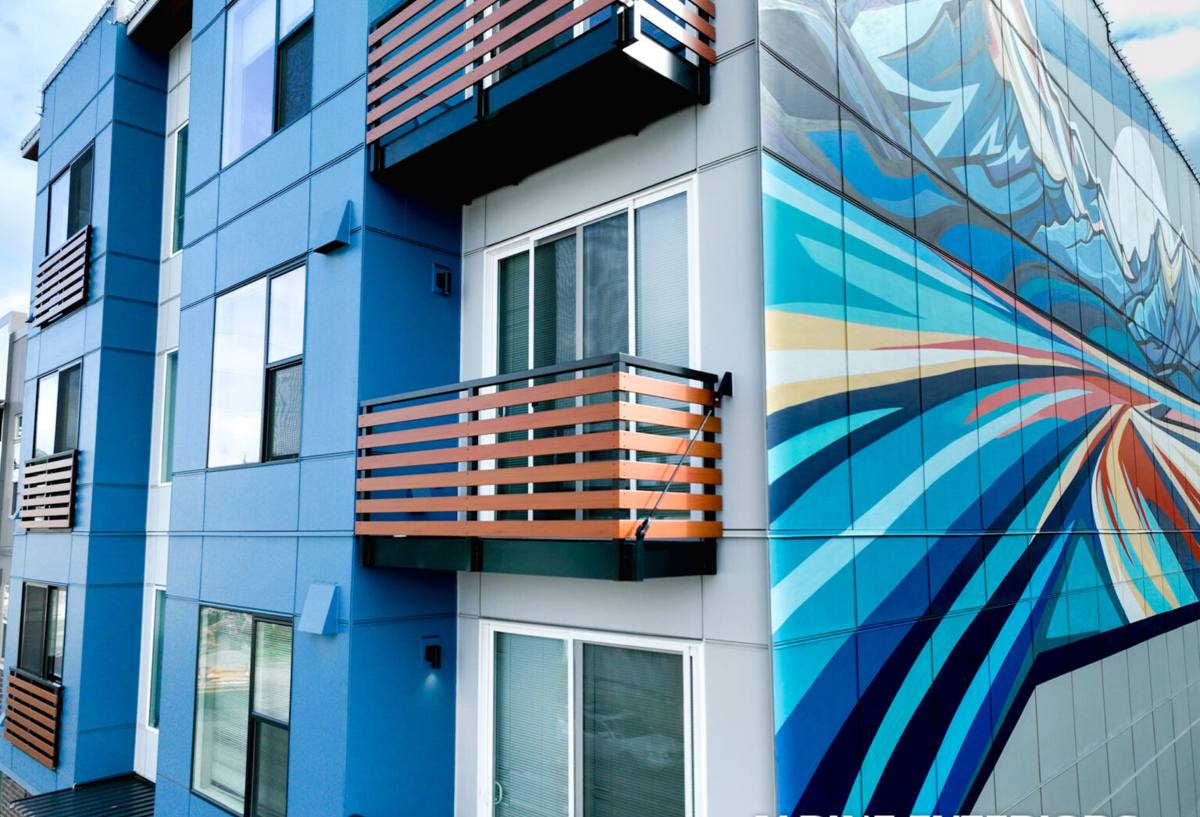
Signs Your Blaine Home's Windows Need Replacing
Some of these show up gradually, which is why they get ignored until a window is failing outright. Worth checking each fall before the wet season sets in.
- Fogging or a permanent haze between the panes of a double-pane window — the seal has failed and the gas fill is gone
- Soft, spongy, or discolored wood at the sill or bottom corners of the frame
- Windows that are difficult to open, close, or lock, especially after damp weather
- Visible gaps between the frame and siding, or caulking that's cracked and pulling away
- A noticeable draft or cold spot near the window even when it's fully closed
- Moss or green growth building up in the sill track or exterior trim
- Rising heating bills that don't match any other change in the house
Any one of these on its own might just need a repair. Two or three together, especially on a window facing prevailing weather, usually means the assembly is past the point where patching makes sense.
What a Correct Window Replacement Job Actually Involves
It's Not Just the Window Unit
A window replacement that holds up in a coastal Whatcom County climate depends more on what happens around the window than the window itself. The frame, the flashing, and the water management behind the trim are what actually keep moisture out over the next twenty years.
The Details That Matter Here
- Sill pan flashing — a sloped, sealed pan under the window opening that directs any water that gets past the window back outside instead of into the wall cavity
- Proper integration with the weather-resistive barrier — flashing tape and house wrap have to be layered correctly, shingle-style, so water always sheds downward and outward
- Correct shimming and leveling — a window that's out of square puts stress on the seals and hardware, which shows up as failures within a few years, not decades
- Sealant compatible with the substrate — the wrong caulk or backer rod combination fails faster in a wet, salt-laden environment than in a dry inland climate
- Interior and exterior trim sealed to shed water, not just sealed for looks
Skip any one of these steps and the window itself can be top quality and still lead to rot, mold, or a failed seal well before its time. This is the part of the job that separates a correct install from one that just looks finished on install day.
Choosing the Right Window Frame for a Coastal Whatcom County Home
Frame material matters more here than in a drier part of the state, because salt air and near-constant humidity accelerate the weak points of each material differently.
| Frame Material | How It Handles Salt Air & Moisture | Maintenance | Typical Trade-Off |
|---|---|---|---|
| Vinyl | Won't corrode or rot; performs consistently in coastal exposure | Low — occasional cleaning | Limited color/finish options, can't be refinished later |
| Fiberglass | Excellent — dimensionally stable, resists moisture and salt-driven expansion/contraction | Low | Higher upfront cost than vinyl |
| Wood | Attractive but vulnerable — needs a well-maintained exterior finish to resist rot and moss buildup | High — repainting/sealing on a regular cycle | Best appearance, most upkeep in this climate |
| Wood-clad (wood interior, metal/vinyl exterior) | Good — exterior cladding shields the wood from direct weather exposure | Moderate | Cladding seams need to be detailed correctly at install or moisture gets trapped |
| Aluminum | Prone to corrosion and condensation without a marine-grade finish and thermal break | Moderate | Rarely our first recommendation for direct water exposure sites |
We don't push one material on every job. A home a few blocks off the water with good overhang protection has different needs than one with direct, unobstructed exposure to wind-driven rain. Our job is to walk your specific house and tell you honestly which option fits your exposure and your budget — including where a cheaper material is genuinely fine, and where it isn't.
Glazing: Double-Pane vs. Triple-Pane for This Climate
Glazing choice affects comfort and energy cost more than it affects moisture resistance, but it's worth understanding before you decide. Double-pane windows with a low-E coating and argon fill are the standard for most Whatcom County homes and perform well against our rain and wind. Triple-pane adds another layer of insulation and can reduce condensation on the interior glass during cold, damp stretches, which matters if a home has had persistent fogging or moisture issues on north- or water-facing walls. The trade-off is added weight, added cost, and in older homes, sometimes a need for reinforced framing to support it. We'll tell you plainly whether triple-pane is worth it for your specific exposure or whether it's an upgrade without a real return for your situation.
Our Window Replacement Process
1. On-Site Assessment
We look at each window individually — not just the glass, but the sill, the trim, the flashing behind it, and any signs of past water intrusion. Exposure varies window to window on the same house, so the recommendation isn't always identical for every opening.
2. Straightforward Written Estimate
You get a clear scope: frame material, glazing option, what flashing and sealing work is included, and a real price — not a vague range that changes once work starts.
3. Removal and Water Management Check
When we pull the old window, that's also when hidden rot or past moisture damage becomes visible. We flag anything found before closing the wall back up, rather than covering a problem that will resurface in a few years.
4. Installation to Manufacturer and Building Code Specs
Proper flashing sequence, correct fastening, and sealing appropriate for our marine-influenced climate — not shortcuts that only show up as a problem after the first hard winter.
5. Cleanup and Walkthrough
We clean up the work area and walk the finished windows with you so you know how to operate and maintain them going forward.
What Affects the Cost of Window Replacement in Blaine
| Factor | Why It Moves the Price |
|---|---|
| Frame material | Vinyl is typically the most affordable; fiberglass and wood-clad cost more upfront but often less over time in this climate |
| Window size and configuration | Larger openings, bay windows, and custom shapes require more material and labor |
| Number of windows replaced at once | Doing multiple windows in one project usually lowers the per-window cost versus one-off replacements |
| Condition of the existing sill and framing | Rot or water damage found during removal adds repair work before the new window can go in |
| Access and height | Second-story or hard-to-reach windows take more time and equipment |
| Glazing package | Double-pane vs. triple-pane, and coating options, shift material cost |
We won't quote a price without seeing the actual windows and openings — too many of these factors vary house to house to guess accurately over the phone.
Why It Matters to Hire a Crew That Already Works in Blaine
A window install done right in a dry, sheltered inland location can still fail within a few years on a home exposed to Blaine's wind and salt air off the water near Drayton Harbor and Semiahmoo Bay. A crew that regularly works this specific stretch of Whatcom County knows to size up exposure correctly, knows which flashing details actually hold up here, and isn't learning that lesson on your house. We also know the older housing stock common in this area and the specific rot and moss patterns that show up around original window openings — details that matter when deciding whether a wall needs repair work along with the window itself.
Keeping New Windows Performing in a Coastal Climate
A correctly installed window still benefits from basic upkeep in this environment. A short seasonal routine goes a long way:
- Rinse salt residue and grime off frames and glass a few times a year, especially after storms
- Clear moss and debris from sills and tracks before it holds moisture against the frame
- Check exterior caulking annually and touch up any cracked or separated sections
- Test locks and hardware for smooth operation each season — stiffness can signal moisture intrusion
- Keep gutters and downspouts clear so runoff isn't sheeting directly over window openings
None of this is complicated, but skipping it is how a well-installed window ends up with a shortened lifespan in a climate like ours.
Get a Straight Answer for Your Home
If you're dealing with foggy glass, sticking sashes, soft sills, or just windows that feel their age, we're glad to take a look and give you an honest read on what your home actually needs — replacement, repair, or nothing at all yet. Reach out for a free, no-pressure estimate using the form below.