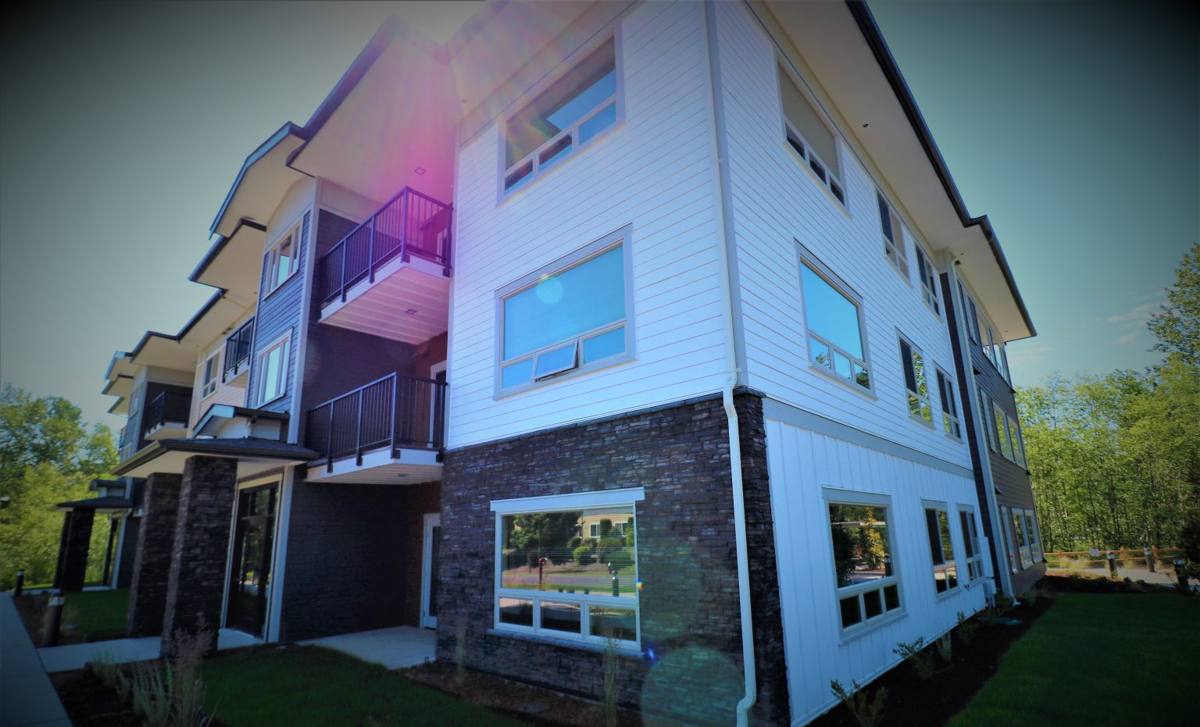
 Bellingham Exterior
 Why Columbia Homes Take a Beating From This Climate
The Columbia neighborhood sits close enough to Bellingham Bay that salt-laden air is a constant, low-grade stressor on exterior building materials, even on homes several blocks inland. Add Whatcom County's driving winter rain, the wind that comes off the water during storms, and a moss season that can run from October through April in shaded spots, and you have a climate that is genuinely hard on siding. It's not dramatic weather — no hurricanes, no hailstorms — but it's relentless, and relentless is what wears out the wrong material.
Older homes in Columbia often carry layers of past siding decisions: original wood clapboard, a vinyl re-side from the 1990s or 2000s, maybe a patch job here and there. Newer builds and remodels in the neighborhood are more likely to have gone with engineered wood or fiber cement from the start. Whichever category your home falls into, the siding's job is the same: keep bulk water out, let incidental moisture escape, resist the moss and mildew that thrive in a marine climate, and hold its finish without constant repainting.
What Salt Air, Rain, and Moss Actually Do to Siding
Salt Air
Airborne salt is corrosive to fasteners and metal flashing, and it accelerates the breakdown of paint films and lower-grade composite materials. It doesn't take direct waterfront exposure to matter — Columbia's proximity to the bay means most homes in the neighborhood get some level of salt exposure year-round.
Driving Rain
Wind-driven rain doesn't fall straight down — it gets pushed sideways into laps, seams, and butt joints. Siding systems that rely on tight joints and perfect caulking to stay watertight are the ones that fail first here, because caulk is a maintenance item, not a permanent seal.
Moss Season
Extended damp, shaded conditions let moss, algae, and mildew colonize any siding surface that stays wet too long or holds moisture in its substrate. This is less about the coating on top and more about what the material underneath does when it gets damp — some materials shed that moisture, others absorb and hold it.
Why We Standardized on James Hardie
We install James Hardie fiber cement exclusively. We don't install vinyl, LP SmartSide, Cemplank, Allura, or unprimed cedar or spruce siding, and we're upfront with Columbia homeowners about why. It's not that every alternative is a bad product in every application — it's that after years of installing and repairing exteriors in this exact climate, Hardie is the one system that consistently holds up to salt air, sustained moisture, and moss pressure without the maintenance headaches we see with the alternatives.
Fiber cement is non-combustible, dimensionally stable across temperature and humidity swings, and doesn't feed mold or moss the way wood-based products can. James Hardie's ColorPlus factory finish is baked on and warranted separately from the substrate, which matters in a climate where field-applied paint takes a beating from rain and salt air. And Hardie's HZ5 product line is engineered specifically for climates with freeze-thaw cycles and moisture exposure — which describes Whatcom County well.
What Hardie Gets Right for This Neighborhood
- Moisture resistance: fiber cement doesn't swell, rot, or delaminate when it gets wet repeatedly, unlike wood-based composite sidings.
- Finish durability: ColorPlus finish resists fading and chalking far longer than typical field-applied paint, reducing repaint cycles.
- Non-combustible: fiber cement doesn't contribute fuel to an exterior fire, a growing consideration for insurers.
- Warranty structure: a transferable manufacturer warranty on both the substrate and the finish, which matters if you sell the home.
- Moss and mildew resistance: the material itself doesn't provide the organic food source that wood-based products can.
What a Correct James Hardie Installation Involves
Hardie siding is only as good as the installation behind it. Most of the failures we get called out to inspect on other contractors' work trace back to installation shortcuts, not the product itself. A correct install in a climate like Columbia's includes:
- A properly detailed weather-resistive barrier (house wrap) installed shingle-style, lapped correctly to shed water downward
- Rainscreen or furring strip application where conditions call for it, to let the wall assembly dry out between rain events
- Correct flashing at every window, door, and penetration — this is where most water intrusion actually starts
- Fastener placement and spacing per Hardie's published installation specs, not "close enough"
- Proper clearance between siding and grade, decks, and roof lines so water can't wick or pool against the bottom edge
- Factory-cut and factory-primed edges wherever possible, with field cuts sealed per manufacturer requirements
- Correct caulking and sealant only where Hardie's details call for it — not as a substitute for proper flashing
Skip any one of these steps and you can end up with a wall that looks fine for a year or two before moisture finds its way in behind the siding — at which point the fix is far more expensive than doing it right the first time.
Our Process for a Columbia Siding Project
1. On-Site Assessment
We look at your home's current siding, the condition of the sheathing and framing underneath where accessible, drainage around the foundation, and any specific trouble spots — north-facing walls that stay damp, areas near downspouts, or spots where past patch repairs suggest a recurring leak.
2. Scope and Product Selection
We walk you through which Hardie product line and profile fits your home — lap siding, shingle-style panels, or a mix with trim — and which HZ climate configuration is right for this part of Whatcom County.
3. Tear-Off and Wall Prep
We remove the existing siding, inspect and repair any damaged sheathing, and install a correctly detailed weather barrier and drainage plane before a single piece of new siding goes up.
4. Installation to Manufacturer Spec
Every fastener, flashing detail, and clearance follows James Hardie's published installation guidelines — not a shortcut version. This is also what keeps the manufacturer's warranty intact.
5. Final Walkthrough
We go over the finished exterior with you, confirm trim and paint details, and explain what little maintenance the new siding actually needs going forward.
Cost Factors for a Columbia Hardie Project
| Factor | Why It Matters |
|---|---|
| Home size and wall complexity | More corners, dormers, and trim details mean more cutting and labor time |
| Current siding condition | Rotted sheathing or hidden moisture damage found during tear-off adds repair scope |
| Product line and profile | Lap siding, shingle-style panels, and trim packages carry different material costs |
| Rainscreen or furring detail | Adding a drainage gap improves long-term performance but adds labor and material |
| Access and site conditions | Tight lots, multi-story walls, or limited staging area affect labor time |
| Color and finish selection | Factory ColorPlus finishes reduce future painting costs compared to field-painted trim |
We provide a written, itemized estimate before any work starts — no vague allowances, no surprise change orders for things we could have identified during the initial assessment.
Why Hiring a Crew That Already Works in Columbia Matters
Siding installation isn't a one-size-fits-all trade. A crew that regularly works Bellingham and Whatcom County neighborhoods like Columbia already knows how local wind exposure, rain patterns, and moss pressure should shape flashing details and rainscreen decisions — instead of relying on generic installation defaults that might be fine in a drier climate but fall short here. That local pattern recognition is often the difference between a wall assembly that dries out properly between storms and one that slowly traps moisture for years before anyone notices.
There's also a practical side: a local crew can respond quickly if a warranty question or minor issue comes up after the project, and has a reputation in the neighborhood worth protecting. We stand behind our installation work in addition to the manufacturer's product warranty on the Hardie materials themselves.
Living With Hardie Siding: What Maintenance Actually Looks Like
One of the practical advantages of switching to James Hardie in a climate like this is how little upkeep it demands compared to what most Columbia homeowners are used to. A rinse-down once or twice a year to clear off accumulated grime, salt residue, and any moss or algae starting to take hold on shaded elevations is typically all that's needed. There's no repainting cycle every five to seven years the way there is with field-painted wood or fiber cement that wasn't factory finished, because the ColorPlus coating is engineered to hold its color and integrity far longer under UV and moisture exposure.
Caulking and sealant at trim joints should still get a visual check periodically, since sealant is a wear item regardless of what siding material sits behind it. Beyond that, a correctly installed Hardie exterior is built to be left alone.
If your Columbia home's siding is showing its age — or you're planning ahead before the next moss season sets in — we'd be glad to take a look and put together a free, no-pressure estimate. There's a short form below to get started.