 Bellingham Exterior
 Roofing in Columbia Faces a Specific Set of Conditions
The Columbia neighborhood sits close enough to Bellingham Bay that salt-laden air is a real factor in how roofing materials age here, not just a talking point. Add in Whatcom County's long stretch of driving rain each fall and winter, plus a moss season that can run for months on north-facing and shaded slopes, and you have a roofing environment that punishes shortcuts. A roof system that works fine in a dry inland climate can fail early here if it wasn't detailed for wind-driven rain, algae and moss growth, and the slow corrosion that salt air causes on exposed metal.
New roof installation done right in this neighborhood isn't about picking the fanciest shingle. It's about the underlayment, the flashing, the fastener choice, and the ventilation working together as a system built for this specific stretch of Whatcom County.
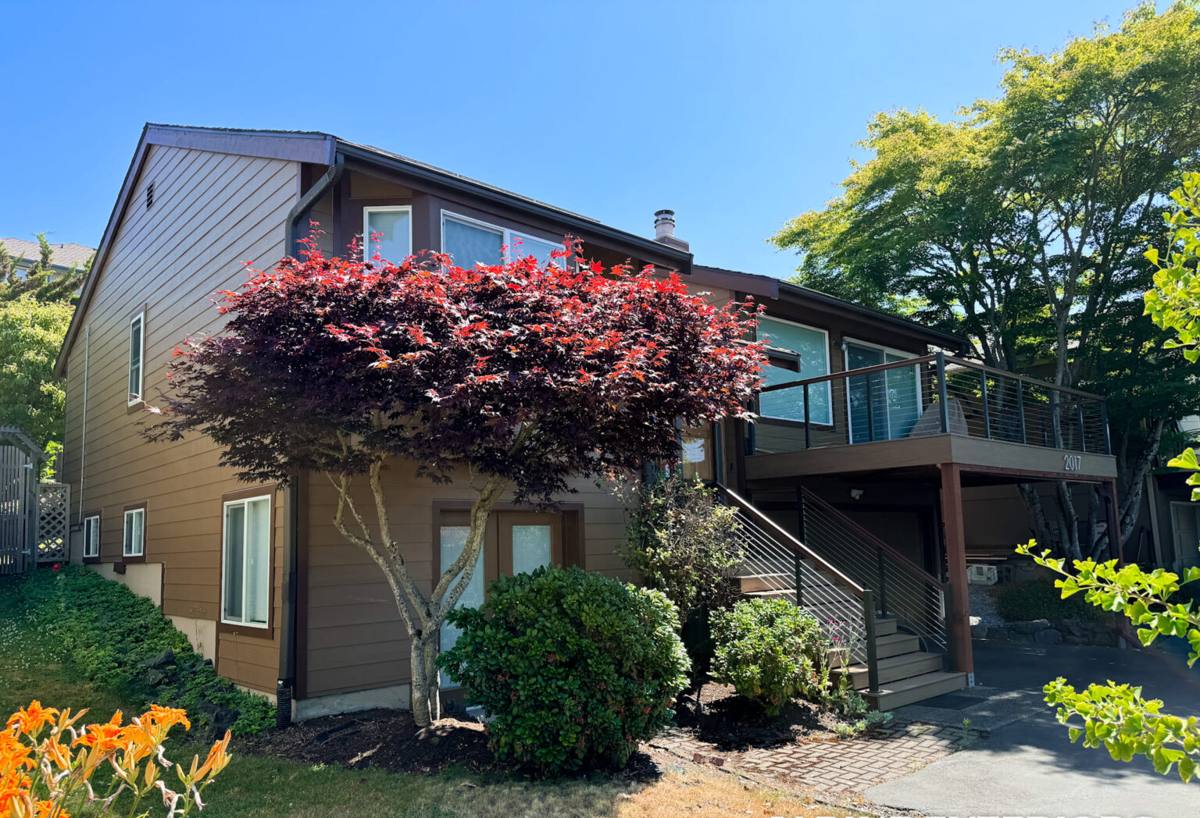
How Local Climate Shapes the Right Roof System
Salt Air and Metal Fasteners
Homes closer to the bay see accelerated corrosion on unprotected or low-grade metal — nails, flashing, vent stacks, gutters. Over time this shows up as rust streaking, weakened fastener holding power, and pinhole leaks at flashing seams long before the shingles themselves are worn out. The fix isn't complicated: use corrosion-resistant fasteners and flashing rated for coastal exposure, and don't mix incompatible metals where they'll be in contact with runoff.
Driving Rain and Wind-Driven Water
Rain in this area rarely falls straight down. Wind pushes it sideways and up under laps, edges, and around penetrations like plumbing vents and chimneys. A roof that only relies on the shingles themselves to shed water will eventually leak at these transition points. The underlayment, ice-and-water barrier at vulnerable areas, and flashing details matter more here than in drier climates.
Moss Season and Moisture Retention
Shaded and north-facing roof slopes in Columbia can stay damp for weeks at a stretch during moss season. Moss holds moisture against the roof surface, works its way under shingle edges, and lifts tabs enough to let wind and rain in behind them. Left unaddressed, that moisture reaches the deck and starts rot before a homeowner ever sees an interior stain. Roof design choices — slope, ventilation, edge details — all affect how fast moss takes hold and how much damage it can do before it's caught.
Signs a Columbia Home Needs Full Replacement, Not Another Repair
Not every roof problem calls for a full tear-off. But there's a point where patching stops making financial sense and starts masking a bigger issue. Common signs include:
- Granule loss heavy enough that shingles look bald or patchy in several areas, not just one spot
- Shingles that are curling, cracking, or brittle across large sections of the roof
- Repeated leaks in different locations after prior repairs
- Soft or spongy spots underfoot on the roof deck, a sign moisture has reached the sheathing
- Persistent moss growth that returns within a season or two of cleaning
- Visible daylight through the roof deck from inside the attic
- A roof already at or past the manufacturer's expected service life for the material and local exposure
If several of these apply at once, a new roof is usually the more honest and more economical answer than another round of patchwork.
What a Correct New Roof Installation Actually Involves
Full Tear-Off and Deck Inspection
Installing new roofing over old material hides problems instead of fixing them. A proper job strips the roof to the deck, so the sheathing can be inspected and any water-damaged or rotted boards replaced before anything new goes down. Skipping this step is one of the most common ways a new roof fails early.
Underlayment and Targeted Ice-and-Water Barrier
Given the amount of driving rain this area sees, underlayment choice matters. Synthetic underlayment holds up better to wind-driven rain and foot traffic during install than older felt products, and self-adhering ice-and-water barrier belongs at eaves, valleys, and around penetrations — the spots most exposed to wind-driven water and ice damming during cold snaps.
Flashing Done Properly, Not Just Caulked
Flashing around chimneys, skylights, sidewalls, and vent penetrations should be mechanically integrated with the underlayment and roofing material, not just sealed with caulk and hoped to hold. Caulk degrades; properly lapped and fastened flashing doesn't depend on a sealant staying intact for the life of the roof.
Ventilation That Matches the Attic
Balanced intake and exhaust ventilation keeps the attic temperature and moisture level in check, which reduces condensation risk, extends the life of the roofing material, and cuts down on the conditions moss and algae prefer. Ventilation is often overlooked on reroof jobs because it's not visible from the ground — but it directly affects how long the new roof will actually last.
Roofing Material Options for This Climate
There's no single "best" roofing material for every home — it depends on budget, roof pitch, architectural style, and how much long-term maintenance a homeowner wants to take on. Here's an honest comparison of the main options we install and repair in this climate:
| Material | Performance in Salt Air / Rain | Moss Resistance | Maintenance |
|---|---|---|---|
| Architectural asphalt shingle | Good with proper flashing and fasteners; widely proven locally | Moderate — benefits from algae-resistant granules | Low to moderate; periodic moss removal on shaded slopes |
| Standing seam metal | Very good when using coastal-rated, properly finished metal | High — sheds moisture quickly, little for moss to grip | Low; occasional fastener and seam checks |
| Cedar shake | Requires diligent maintenance in wet, shaded conditions | Low without regular treatment and cleaning | High; not our default recommendation for heavily shaded lots |
| Synthetic composite shingle | Good; resists moisture absorption better than wood | Moderate to high depending on product | Low to moderate |
For heavily shaded Columbia lots where moss has been a recurring problem, we'll talk through slope, tree cover, and material honestly rather than defaulting to whatever's cheapest to install. A material that needs constant upkeep to perform in this climate isn't doing the homeowner any favors, even if it looks good on day one.
Our Installation Process, Start to Finish
- On-site inspection and estimate. We walk the roof, check the attic where accessible, and note existing damage, ventilation, and any problem areas before quoting anything.
- Written scope of work. Materials, underlayment, flashing approach, and ventilation plan are spelled out before work starts — no verbal-only agreements.
- Tear-off and deck repair. Old roofing is removed, the deck is inspected, and any damaged sheathing is replaced before new material goes down.
- Underlayment and flashing installation. Ice-and-water barrier at vulnerable areas, synthetic underlayment across the field, and properly integrated flashing at every penetration and transition.
- Roofing material installation. Installed to manufacturer specifications for wind and rain exposure appropriate to this area.
- Ventilation check and adjustment. Intake and exhaust balanced for the specific attic.
- Site cleanup and final walkthrough. Magnetic sweep for nails, debris removal, and a walkthrough so the homeowner can see the finished work and ask questions.
What to Expect for Timeline
Most single-family reroof jobs in this size range take one to a few days of active work, weather permitting. Rain delays are common enough in Whatcom County that we build them into scheduling rather than rushing a job to beat the weather, which is how corners get cut.
Cost Factors Worth Understanding Before You Get Quotes
Roofing quotes vary for real reasons, not just markup. Understanding what drives the number helps you compare estimates apples-to-apples instead of just picking the lowest one.
| Factor | Why It Affects Cost |
|---|---|
| Roof size and complexity | More valleys, dormers, and penetrations mean more labor and flashing material |
| Deck condition | Rotted sheathing found during tear-off adds repair cost not visible from a curbside look |
| Material choice | Asphalt, metal, and composite options carry different material and labor costs |
| Roof pitch and access | Steep or hard-to-access roofs take longer and require more safety setup |
| Ventilation upgrades | Adding or correcting intake/exhaust vents is worth doing during a reroof rather than after |
Any estimate that doesn't account for possible deck repair, or that skips ventilation and flashing detail entirely to hit a low number, is worth asking hard questions about.
Why a Crew That Already Works in Columbia Matters
A contractor who regularly works this neighborhood already understands which streets sit closer to the bay and see more salt exposure, which lots hold shade long enough to grow persistent moss, and how the wind typically drives rain against different roof orientations here. That familiarity shows up in small decisions — where to add extra flashing attention, which fastener grade to spec, how to sequence work around Whatcom County's rain patterns — that a crew unfamiliar with the area might miss entirely. It also means faster response if a warranty question or minor issue comes up after the job is done, since we're not traveling in from out of the area.
Keeping a New Roof Performing After Installation
A correctly installed roof still benefits from basic upkeep in this climate. Keeping gutters clear so water doesn't back up under eaves, having moss removed from shaded slopes before it spreads, and doing a periodic visual check after major windstorms all help a new roof reach its full service life rather than developing preventable problems. We're glad to walk homeowners through a simple maintenance schedule specific to their roof's orientation and shade exposure at the time of installation.
If your Columbia-area home needs a new roof, or you're not sure whether repair or replacement is the right call, we're happy to take a look and give you a straightforward, no-pressure estimate. Use the form below to get started.