 Bellingham Exterior
 Decks in Puget Face a Different Climate Than Decks Inland
Homes in the Puget area near Bellingham sit close enough to the water and the tree line that a deck here ages differently than one built twenty miles inland. Salt-laden air off the Sound speeds up corrosion on anything metal. Driving rain off the water finds gaps in flashing that would never get tested in a drier climate. And Whatcom County's long, damp shoulder seasons mean moss and algae get months of head start on a poorly built surface. A deck that would hold up fine in eastern Washington can fail in a few years out here if it wasn't built with this specific climate in mind.
That's the whole premise of this page: not decks in general, but what a correctly built deck for a Puget-area home actually requires, and why the details matter more here than they do somewhere drier.
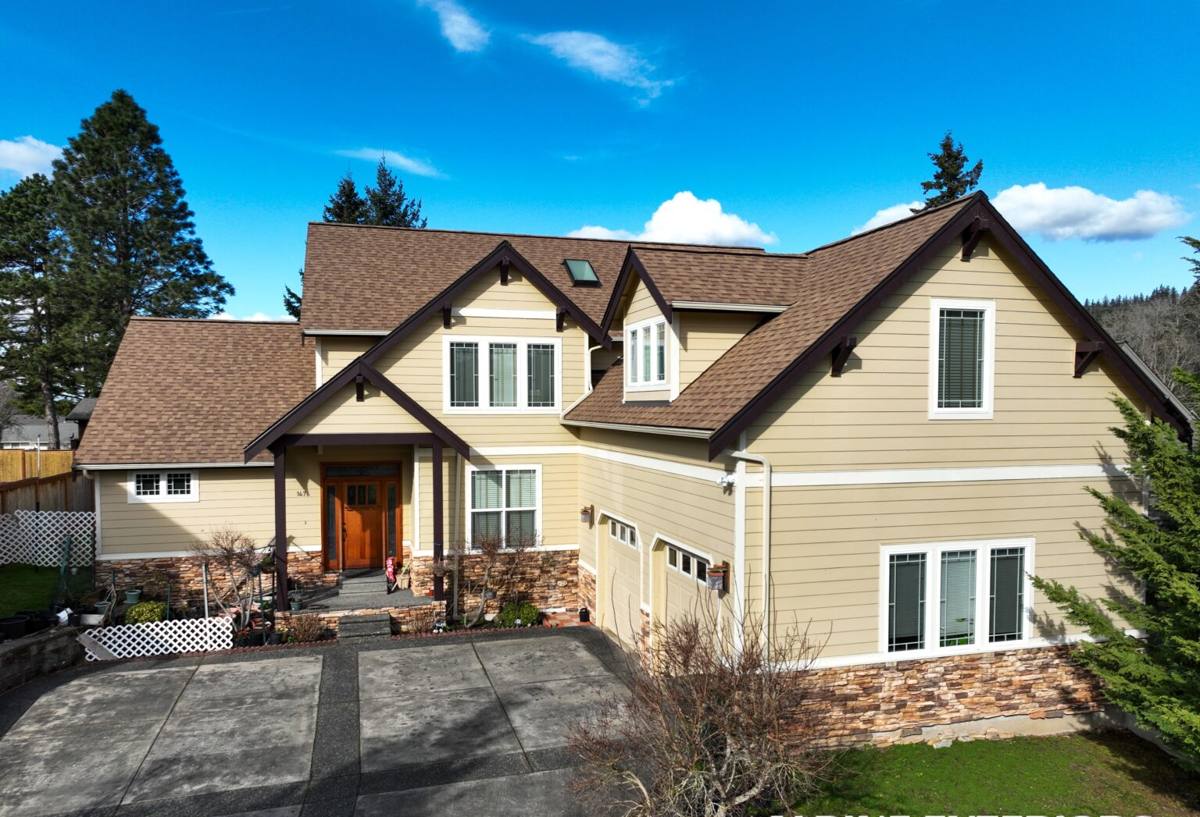
What Puget-Area Homes Actually Need From a Deck
Salt Air and Metal Hardware
Proximity to Bellingham Bay and the broader Puget Sound means airborne salt is a real factor, even a few blocks back from the water. Standard zinc-coated fasteners and connectors corrode faster here than the same hardware would inland. Rust streaks down decking boards, weakened joist hangers, and pitted screw heads are common signs of a deck that used the wrong-grade hardware for a coastal-adjacent lot.
Shade, Tree Cover, and Moss
Many lots in this area carry mature tree cover, which is great for privacy and terrible for a deck surface. Shade keeps boards damp longer after every rain, and damp wood is exactly what moss and algae need to take hold. Combined with our wet fall-through-spring stretch, a deck built without airflow and drainage in mind can grow a slick green film within a season or two.
Slope and Drainage on the Lot
A lot of Puget-area properties have some grade change from the house down toward the yard or the water. That slope affects how a deck's substructure sheds water, how much ventilation the space underneath gets, and whether runoff pools against the house foundation instead of moving away from it. Getting this wrong doesn't just shorten the deck's life — it can create moisture problems for the siding and foundation behind it.
Timing the Build Around Our Wet Season
Construction timeline matters more here than in drier climates. Framing and footings poured during a stretch of driving rain are harder to protect, and freshly placed concrete needs a reasonable dry window to cure properly. We generally aim to schedule the structural phase of a Puget-area deck project around drier stretches of the year when possible, and we'll be upfront with you about how weather is likely to affect your specific timeline rather than promising a date we can't control.
Choosing Decking Material for This Climate
There's no single "best" decking material — there's a best material for your budget, your maintenance appetite, and how exposed your specific lot is to sun, shade, and moisture. Here's how the common options actually perform in a Puget-area setting:
| Material | Moisture Behavior | Maintenance | Typical Lifespan |
|---|---|---|---|
| Pressure-treated pine | Resists rot when properly sealed; can cup or check if left unsealed in shade | Re-stain or seal every 1–2 years, more often in shaded/mossy spots | 15–20 years with upkeep |
| Cedar | Naturally rot- and insect-resistant; still needs sealing against our rainfall | Annual cleaning, periodic sealing to hold color and grain | 20+ years with consistent care |
| Composite (capped) | Doesn't absorb water or rot; can still grow surface moss/algae in deep shade | Periodic washing; no staining or sealing | 25–30+ years, manufacturer-warrantied |
| Composite (uncapped/older style) | More prone to moisture wicking at cut edges over time | Similar to capped but higher long-term risk at edges | Shorter effective life in wet, shaded lots |
On heavily shaded or moss-prone lots, we generally steer homeowners toward capped composite or well-sealed cedar, simply because the maintenance burden of an unsealed softwood in constant shade gets old fast. On sunnier, more open lots, a well-maintained pressure-treated or cedar deck is a perfectly good, more affordable choice. This is a trade-off conversation, not a one-size-fits-all recommendation — we'll walk your specific lot with you before suggesting a material.
Framing and Substructure: Where Decks Actually Fail First
The decking boards are what you see, but the framing underneath is what determines whether the deck is safe and long-lived. Most deck failures we get called out to inspect trace back to the substructure, not the surface boards.
- Ledger board attachment and flashing — where the deck connects to the house is the single most common source of hidden rot if it isn't flashed correctly against our rainfall.
- Joist hangers and structural connectors — need to be rated for the fastener and lumber combination, and ideally a corrosion-resistant grade given the salt-air exposure in this area.
- Footings sized and set to frost depth and soil conditions — undersized or shallow footings are a common shortcut on older or budget builds.
- Beam and joist spacing matched to the actual decking material — composite and wood have different span-rating requirements, and using wood-span spacing under composite decking leads to bounce and premature sagging.
None of this is visible once the deck is finished, which is exactly why it matters who builds it and how carefully they follow it.
Drainage, Moss, and Keeping the Deck Usable Year-Round
Board Gapping and Airflow
Proper gap spacing between boards lets water shed instead of pooling, and lets air move underneath the deck surface so it can actually dry out between our frequent rain events. Boards installed too tight look clean on day one and trap moisture by month three.
Under-Deck Ventilation
On lower decks or those built close to grade, skirting without ventilation gaps traps humidity underneath and accelerates rot in the framing where you can't see it happening. We build in airflow paths specifically because of how much moisture this region deals with over a typical winter.
Realistic Moss and Algae Maintenance
Even a well-built deck in a shaded Puget-area yard will need periodic cleaning — that's the climate, not a construction flaw. What good construction does is keep that maintenance manageable: a properly drained, ventilated deck can be cleaned with a stiff brush and a deck wash once or twice a year, instead of needing pressure-washing and board replacement because moisture had nowhere to go.
Railings and Hardware Built for Coastal-Adjacent Exposure
Railing posts and their connections carry real structural load and take direct weather exposure, so this is not a place to cut corners on hardware grade. We use fasteners and structural connectors rated for exterior, corrosion-prone environments rather than standard interior-grade hardware, specifically because of the salt air this area sees off the Sound. Cheaper hardware might look identical on install day; the difference shows up as rust streaking and loosening connections two or three winters later.
Our Process for a Puget-Area Deck Project
1. Site Visit and Honest Assessment
We walk the actual lot — sun exposure, tree cover, slope, proximity to the house's existing drainage — before recommending a material or layout. What works two houses down may not be the right call for your specific site conditions.
2. Design and Material Selection
We talk through the trade-offs in plain terms: what a lower-maintenance material costs upfront versus what a more affordable material will cost you in time and upkeep over the years, given your lot's shade and moisture exposure.
3. Permitting
Most deck projects of meaningful size require a permit through the City of Bellingham or Whatcom County, depending on where the property sits. We handle that process rather than leaving it on the homeowner.
4. Build, With Substructure Done Right
Framing, flashing, footings, and fastener grade get the same attention as the visible decking — because that's what determines whether the deck is still solid in ten years.
5. Final Walkthrough
We go over the finished deck with you, including realistic guidance on maintenance for your specific yard conditions — sun, shade, and everything in between.
Why Hire a Crew That Already Works in the Puget Area
A contractor who mostly builds decks in drier, more inland parts of the county can still frame a deck that looks fine on completion day. The difference shows up two or three winters in, once salt air, shade, and driving rain have had time to work on the details that were done to a lower standard for a less demanding climate. A crew that regularly works Bellingham's coastal-adjacent neighborhoods already knows which hardware grade to spec, how to flash a ledger board against sideways rain, and how much ventilation a shaded deck actually needs.
Before hiring anyone for a deck project in this area, it's worth checking a few things:
- Do they carry current Washington state contractor licensing and liability insurance?
- Will they specify fastener and hardware grade in writing, not just "standard hardware"?
- Do they pull the required permit themselves, or leave that step to you?
- Can they explain how they'll handle drainage and ventilation for your specific lot's shade and slope?
- Do they give you a straight answer on maintenance expectations for the material they're recommending, rather than just upselling the most expensive option?
Those five questions filter out a lot of the difference between a deck that looks good on handoff day and one that's still solid a decade later.
If you're planning a new deck or replacing an aging one in the Puget area, we're happy to walk the site with you and give you a straightforward, no-pressure estimate. Fill out the form below and we'll take it from there.