 Bellingham Exterior
 Windows Built for the Sudden Valley Environment
Sudden Valley sits in a different microclimate than a lot of the rest of Whatcom County. The tree canopy is heavier, the lake keeps humidity higher longer into the day, and many lots stay shaded well past the point where a more open property would have dried out. That combination — shade, moisture, and limited direct sun on large stretches of siding and trim — is exactly the setup that wears out windows faster than the manufacturer's spec sheet ever accounts for.
Add in the broader Bellingham climate this community shares with the rest of the region — salt-laden air drifting in off Bellingham Bay, driving rain off the Sound during fall and winter storms, and a moss season that can run eight or nine months out of the year — and you've got a set of conditions that punishes cheap seals, thin cladding, and lazy flashing details. A window that's fine in a drier inland climate can fail in five years out here if it wasn't installed with this environment in mind.
We're not saying every window needs to be exotic or expensive. We're saying the installation details matter more here than they do in most places, and that's the piece homeowners usually don't get told about until something's already gone wrong.
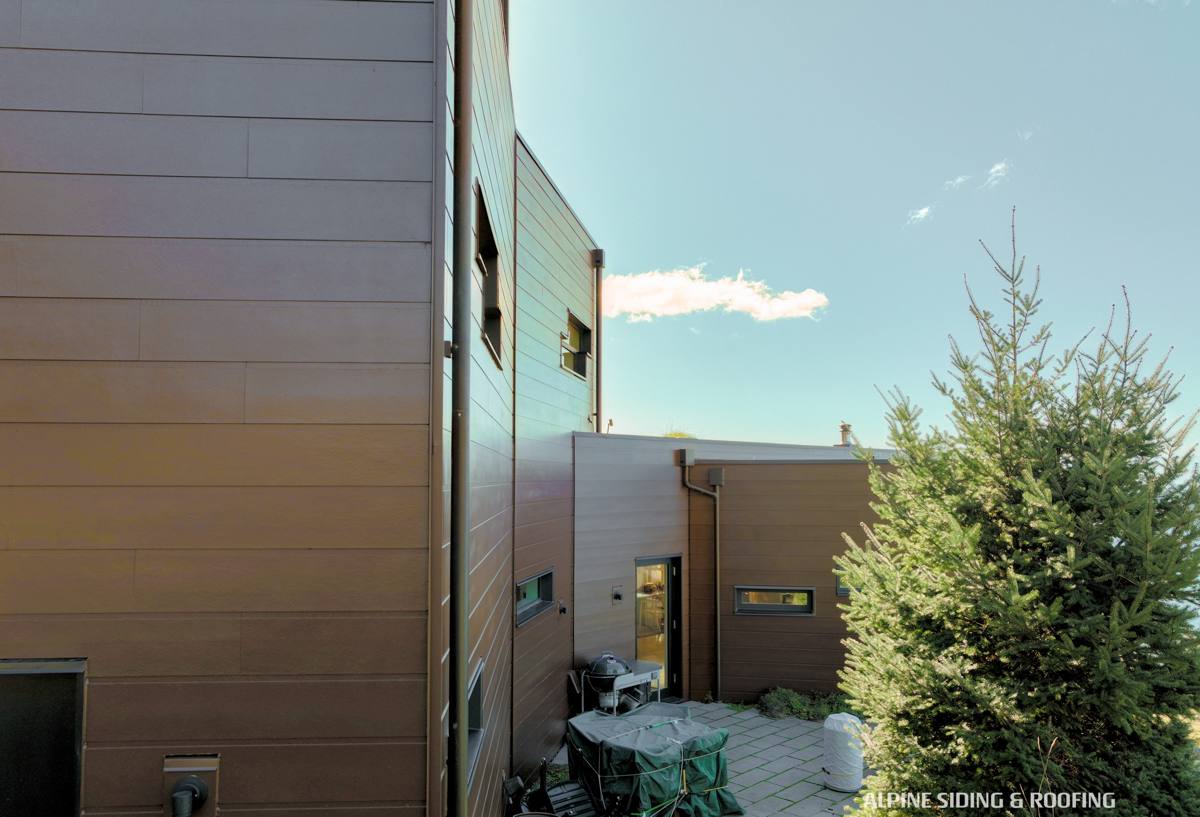
What the Local Conditions Actually Do to a Window
Shade and Moisture
Windows on the shaded, tree-covered sides of Sudden Valley homes stay damp longer after rain than windows in full sun. That extra dwell time is what feeds wood rot at the sill, breaks down cheap weatherstripping, and gives moss and algae a foothold on frames and trim. It's not usually the glass that fails first — it's the frame material and the sealant around it.
Driving Rain and Wind-Driven Moisture
Storms coming off the Strait push rain sideways, not straight down. That means flashing and the seal between the window frame and the wall have to actually shed water uphill and sideways, not just downward. A window that's caulked in but not properly flashed will leak eventually — it's a matter of when, not if.
Temperature Swings and Condensation
Cool nights near the lake plus a warm, humid interior create ideal conditions for interior condensation on older or poorly rated glass. That moisture doesn't just fog the glass — over time it works into the sill and the surrounding wall framing if it's not managed.
What a Correctly Installed Custom Window Includes
"Custom" doesn't just mean the window is built to a non-standard size, though that's often part of it in older Sudden Valley homes with irregular openings. It means the whole installation is treated as a system, not a box dropped into a hole. A correct install includes:
- Removing old windows carefully enough to inspect the rough opening for rot, soft wood, or prior water damage before anything new goes in
- Repairing any damaged framing or sheathing found during removal — not covering it up
- Installing proper flashing that integrates with the existing weather-resistive barrier, lapped correctly to shed water down and out
- Sealing with materials rated for exterior exposure, applied in the right order (flashing first, then sealant, never the reverse)
- Insulating the gap between the window frame and the rough opening — an often-skipped step that affects both energy performance and condensation
- Setting the window level, plumb, and square so it operates smoothly and seals evenly for its full lifespan
Skip any one of these steps and you can still end up with a window that looks fine for a year or two before a leak shows up in the wall below it. That's the trade-off with rushed installs — the problems are usually hidden until they're expensive.
Choosing the Right Frame Material for This Climate
There's no single "best" window material for every home — it depends on the home's exposure, your maintenance appetite, and budget. Here's how the common options actually perform in a shaded, moisture-heavy setting like Sudden Valley:
| Frame Material | Moisture Performance | Maintenance | General Cost Position |
|---|---|---|---|
| Vinyl | Won't rot; seals and gaskets are the weak point over time | Low — occasional cleaning | Lower |
| Fiberglass | Very stable in moisture and temperature swings | Low | Mid to upper |
| Wood-clad | Good if cladding is intact; interior wood needs protection from any moisture intrusion | Moderate — watch clad-to-wood transitions | Upper |
| Aluminum | Durable but conducts cold, prone to condensation on interior in this climate | Low | Varies |
In our experience, vinyl and fiberglass tend to be the more forgiving choices for shaded Sudden Valley lots simply because there's no wood substrate exposed to fail if a seal eventually ages out. That's a maintenance and risk conversation, not a knock on wood-clad windows — plenty of homes in the area have them and do fine with regular upkeep.
Signs Your Current Windows Are Losing the Fight
Before we quote a replacement, we walk the exterior and interior looking for these signs. If you're noticing any of these, it's worth having someone look before it turns into a wall repair instead of a window repair:
- Green or black staining on the frame or sill, especially on the shaded side of the house
- Soft or spongy wood when you press on the sill or lower frame corners
- Persistent condensation or fogging between panes (a sign the seal has failed)
- Drafts you can feel even with the window fully latched
- Difficulty opening, closing, or locking — often a sign the frame has shifted or swelled
- Paint or finish peeling in a pattern that follows water runoff paths
- Visible daylight or gaps around the frame from outside
Our Process for Sudden Valley Homes
Assessment
We start with a walk-around of the home, noting sun exposure, tree cover, and which elevations take the most weather. That tells us which openings need the most attention to flashing and material choice, and which are lower risk.
Measurement and Ordering
Many homes in this part of Whatcom County have openings that have shifted slightly over the decades, so we measure each window individually rather than assuming they're all identical — that's the "custom" in custom windows.
Removal and Inspection
Old windows come out carefully so we can see the actual condition of the framing underneath. If there's hidden rot or old water damage, we address it before the new window goes in — this is the step that gets skipped when a job is rushed or priced too low to cover the labor.
Installation
Flashing, insulation, and sealing are done in the correct sequence, with attention to the specific exposure of that opening. A window on a shaded, wind-exposed wall gets the same care as one in full sun — arguably more.
Cleanup and Walkthrough
We test operation on every window before we consider the job done, and walk you through anything you should keep an eye on going forward.
Why a Crew That Already Works in Sudden Valley Matters
Sudden Valley has its own character within greater Bellingham — winding, tree-lined streets, a mix of home ages and styles, and in many areas a homeowners' association with its own access rules and private roads. A crew that's already familiar with the community doesn't waste your time (or theirs) figuring out logistics on the day of the job, and knows to check in with HOA requirements where they apply.
More importantly, a local crew has seen how homes in this specific area actually age — which elevations take the worst weather, where moss and moisture cause the most damage, and which shortcuts show up as callbacks two or three years later. That's knowledge you don't get from a crew that's never worked past the edge of Bellingham proper.
Keeping New Windows Performing Long-Term
A correctly installed window in this climate isn't maintenance-free forever, but it should need very little:
- Rinse frames and sills periodically to keep moss and organic buildup from taking hold, especially on shaded elevations
- Check exterior caulking annually and touch up any cracked or separated sections before winter storms
- Keep gutters and downspouts clear so water isn't running down the wall directly above a window
- Trim back vegetation that keeps a window shaded and damp for most of the day, where practical
If you're weighing whether to replace aging windows or hold off another season, we're happy to take a look and give you a straightforward, no-pressure read on where things stand — including if the honest answer is that they've got a few more years left. Use the form below to request a free estimate.