 Bellingham Exterior
 Edgemoor Decks Face a Different Kind of Wear
Edgemoor sits close enough to Bellingham Bay that salt-laden air is part of daily life, and that changes how a deck ages compared to one further inland in Whatcom County. Salt air accelerates corrosion on fasteners, hinges, and any exposed metal hardware, while the region's long wet season keeps wood decking damp for weeks at a stretch. Add in the moss and algae that thrive in shaded, tree-covered lots common to Edgemoor's older residential streets, and you get a perfect setup for slow, hidden deterioration — the kind that looks fine from a distance but is structurally compromised underneath.
A deck built for a drier climate, or repaired with generic hardware-store fixes, tends to fail faster here. That's not a knock on any one product or builder — it's just physics. Wood that stays wet longer decays faster, and metal that sits in salt air corrodes faster. Repairs on Edgemoor decks need to account for both, not just patch the visible problem.
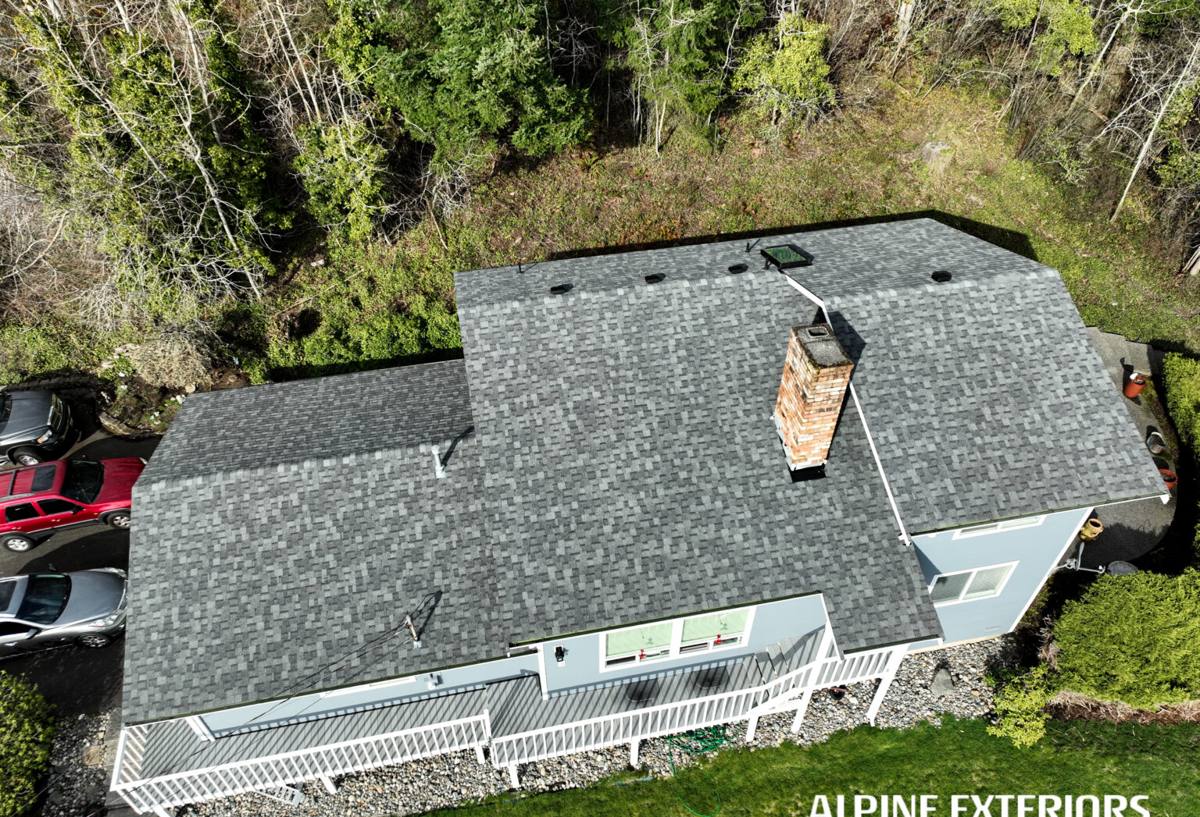
How Salt Air, Rain, and Moss Actually Damage a Deck
Salt Air and Metal Fatigue
Standard galvanized fasteners and connectors hold up fine in a lot of the country, but proximity to saltwater speeds up corrosion on any exposed steel — nail heads, joist hangers, bolts, and railing brackets. Once a fastener starts rusting, it loses grip strength long before it looks obviously bad, which is why a deck can feel "solid" underfoot right up until a board or railing gives way.
Driving Rain and Trapped Moisture
Bellingham's rain doesn't just fall straight down — wind-driven rain gets pushed sideways into ledger boards, under flashing, and into any gap where two pieces of wood meet. Once water gets behind a ledger board or under decking without a way to drain and dry out, rot sets in from the inside, which is exactly why so many deck failures start at connection points you can't see without pulling boards or checking underneath.
Moss, Algae, and Surface Breakdown
Shaded lots and long wet stretches let moss and algae take hold on decking surfaces, especially on the north side of a house or under tree cover. Beyond making a deck slick and dangerous, moss holds moisture against the wood surface, breaking down the wood fibers and any protective coating faster than the surface would otherwise wear.
Signs an Edgemoor Deck Needs Repair
Most deck problems announce themselves quietly before they become dangerous. Watch for:
- Soft or spongy spots when you walk across the decking
- Rust streaks below fasteners, hinges, or metal connectors
- Gaps or movement where the deck attaches to the house (the ledger board)
- Wobbly railings or posts that shift when leaned on
- Standing water that doesn't drain within a few hours after rain
- Persistent moss or dark staining that keeps coming back after cleaning
- Visible daylight gaps at joist connections or under support posts
- Stair stringers that flex or creak more than they used to
Any one of these on its own might be minor. Several at once usually means the deck's structure — not just its surface — needs attention.
What a Correct Deck Repair Actually Involves
A repair that only replaces a rotten board without checking what caused the rot is a repair that fails again within a season or two. Doing it right means working from the structure outward.
Ledger Board and Flashing First
The ledger board — where the deck bolts to the house — is the single most common failure point in this climate because it's the hardest spot for water to drain away from. Proper repair means checking the flashing behind it, confirming there's a gap for water to escape, and replacing any fasteners showing corrosion, not just caulking over a leak and hoping.
Posts, Footings, and Joists
Support posts that sit in or near ground contact are the next place rot hides, especially where soil stays damp through the wet months. We check post bases, footings, and the joists they carry for soft wood, checking with a probe rather than just a visual look, since rot often starts inside before it shows on the surface.
Decking Boards and Fasteners
Individual boards get replaced when they're cupped, split, or soft — but we also replace the fasteners holding them, since a new board on old, corroding screws just transfers the weak point rather than fixing it. In salt-air conditions, we favor stainless steel or coated fasteners rated for coastal exposure over standard galvanized hardware.
Railings and Stairs
Railing posts take constant stress from leaning and grabbing, so any movement at the base gets addressed structurally — sistering or replacing the post connection — rather than just tightening a loose bolt that will work its way loose again.
Repair or Replace: How We Make the Call
| Condition | Repair usually makes sense | Replacement usually makes sense |
|---|---|---|
| Rot location | Isolated to a few boards or one area | Widespread through framing or multiple structural members |
| Ledger board | Solid with a localized flashing fix needed | Soft, cracked, or pulling away from the house |
| Support posts | One or two showing surface wear | Multiple posts soft at the base or footing |
| Age of deck | Under 15-20 years, built to a reasonable structural standard | Original construction is undersized or outdated for current use |
| Cost pattern | Repair cost is a fraction of full rebuild | Repairs would need to be redone again within a couple years |
We won't recommend a full rebuild when a targeted repair will genuinely hold up, and we won't patch a deck whose structure is past the point where repair makes financial sense. The inspection tells us which category a given deck falls into — we don't guess.
Our Process for an Edgemoor Deck Repair
- Full inspection — we check the ledger board, footings, posts, joists, decking, and railings, probing suspect areas rather than relying on a surface look.
- Honest assessment — you get a clear picture of what's failing, what's still sound, and what caused the damage in the first place.
- Written scope and price range — no vague estimates; you know what's being repaired and roughly what it costs before work starts.
- Structural repair first — framing, posts, and ledger issues get addressed before any cosmetic work, since fixing the surface over a bad structure just hides the problem.
- Corrosion-resistant hardware — fasteners and connectors are chosen for this climate, not the cheapest option available.
- Drainage check — we confirm water has somewhere to go, since standing water is what restarts the rot cycle.
Material Choices That Matter Here
Whether we're repairing an existing wood deck or replacing sections with composite decking, the choice affects how the deck holds up to Whatcom County's wet season.
| Factor | Wood decking | Composite decking |
|---|---|---|
| Moisture behavior | Needs sealing/staining on a regular schedule to resist rot | Resists rot but can trap moisture underneath if airflow is poor |
| Moss and algae | Can be sanded or refinished if surface breaks down | Surface can't be sanded — depends on cleaning and product-specific care |
| Repair approach | Individual boards easy to replace and blend in | Matching discontinued colors or profiles can be difficult |
| Upfront cost | Generally lower material cost | Generally higher material cost, lower ongoing maintenance |
| Long-term upkeep | Refinishing every few years | Periodic cleaning, less frequent refinishing |
Neither option is wrong — it depends on your budget, how much maintenance you want to do, and what the rest of the deck's structure can support. We'll walk through the honest trade-offs for your specific deck rather than pushing one material across the board.
Keeping an Edgemoor Deck in Good Shape Between Repairs
- Clear leaves and debris from between boards regularly — trapped debris holds moisture against the wood
- Clean moss and algae off the surface at least once a year, more often on shaded sections
- Check and re-seal or re-stain wood decking on the manufacturer's recommended schedule
- Inspect metal fasteners and connectors annually for early rust, especially on decks facing the bay
- Keep gutters and downspouts clear so runoff doesn't dump extra water onto or under the deck
- Trim back vegetation that keeps sections of the deck shaded and slow to dry
- Address small soft spots or loose railings right away rather than waiting for the next dry season
Why a Crew That Already Works Edgemoor Matters
A contractor who works this neighborhood regularly already knows which failure points show up most on Edgemoor decks — ledger boards facing prevailing wind-driven rain, north-facing sections that stay shaded and mossy longer, and hardware that corrodes faster this close to the bay. That familiarity means less time spent diagnosing and more time fixing the actual problem, and it means the materials and fastener choices are already matched to this specific stretch of Bellingham rather than a generic recommendation.
It also means we're not guessing at permit or setback questions that come up with deck work in this part of Whatcom County — we've been through that process here before and know what to expect.
Get a Straight Answer on Your Deck
If your deck has soft spots, rust stains, a shaky railing, or just doesn't feel as solid as it used to, it's worth having someone look at it before those small issues turn into a bigger repair. We offer a free, no-pressure estimate — we'll tell you honestly whether you're looking at a targeted repair or something more, and what it would take to fix it right. Use the form below to get started.