 Bellingham Exterior
 Why Happy Valley Homes Need Siding Built for This Climate
Happy Valley sits close enough to Bellingham Bay and the surrounding hills that its homes take on a specific combination of weather stress: salt-laced air moving in off the water, long stretches of driving rain through the fall and winter, and shaded, damp conditions that keep moss and algae active for much of the year. None of that is unusual for Whatcom County, but it adds up differently than it would in a drier inland climate. Siding here isn't just a finish material — it's the first line of defense against moisture intrusion, and it has to hold its color and shape through repeated wet-dry cycles without opening up gaps at the seams.
Wood-based siding products struggle in this environment because they absorb moisture at the edges and end cuts, which is exactly where Happy Valley's rain and humidity concentrate. Vinyl siding handles moisture better but expands and contracts more than most homeowners expect, and it can warp or fade after enough seasons of sun and salt air. James Hardie fiber cement doesn't share either weakness — it's dimensionally stable, doesn't rot, and isn't a food source for the mold and moss spores that are constantly present in this part of Bellingham.
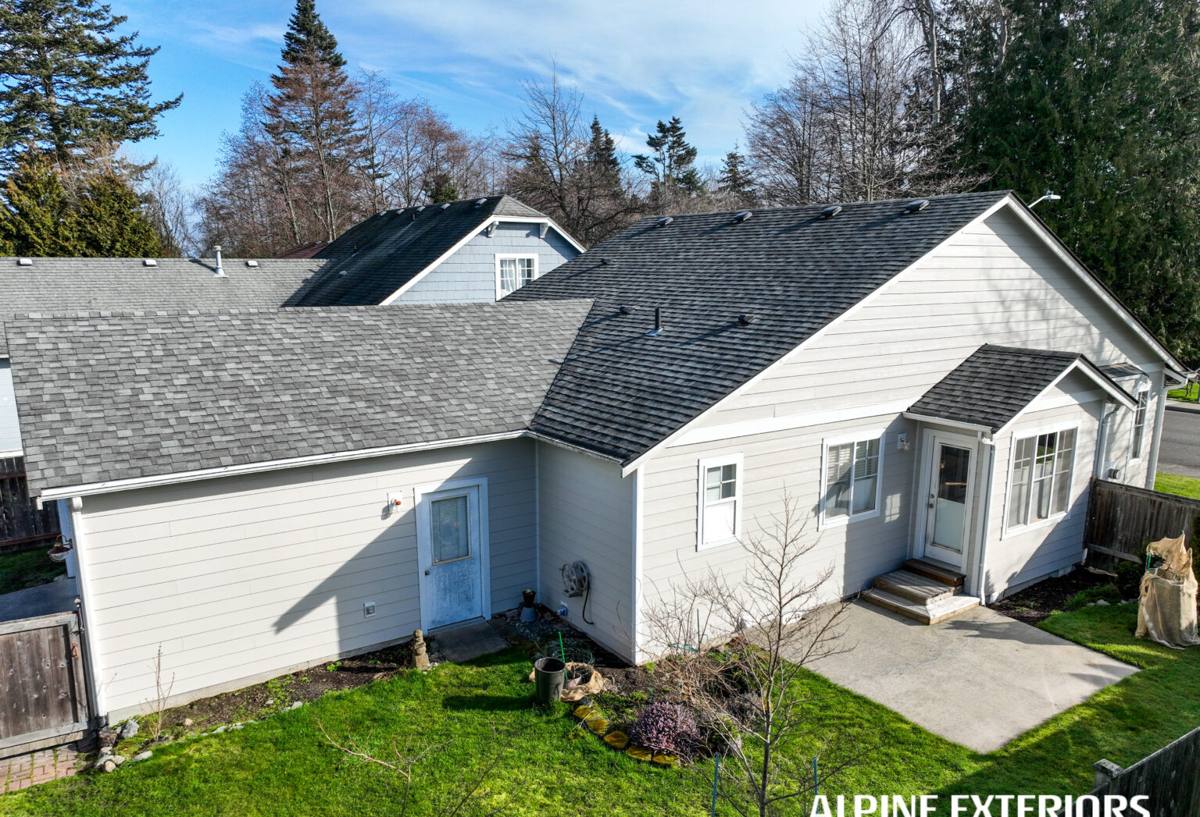
What "Correct" Hardie Installation Actually Means Here
James Hardie siding is only as good as the installation behind it. The product itself is engineered for the Pacific Northwest, but a rushed or generic install can undercut all of that engineering. On a Happy Valley project, we pay close attention to a handful of details that matter more here than they would in a milder climate:
Climate-Matched Product Line
James Hardie makes its siding in different HardieZone formulations depending on regional climate. Bellingham and the rest of Whatcom County fall into the HZ5 zone, engineered for cold, wet Pacific Northwest conditions rather than the hot, humid formulations used in the Southeast. Installing the wrong zone product is a mistake we don't make — it's a small spec detail that has a real effect on how the siding performs over decades.
Flashing and Water Management
Almost every siding failure we see traces back to water management, not the siding material itself. Correct installation means proper weather-resistant barrier behind the panels, correctly lapped flashing at windows, doors, and rooflines, and drainage planes that let any moisture that does get behind the siding find its way back out. In a neighborhood that sees as much sustained rain as Happy Valley does, skipping or shortcutting this step is what eventually leads to hidden rot in the sheathing underneath — a problem that often isn't visible until it's expensive.
Clearances and Fastening
James Hardie's installation instructions call for specific clearances from grade, roof lines, and decks, along with correction fastener spacing and caulking at joints. These clearances exist specifically to keep splash-back and standing moisture away from the bottom edge of the siding — one of the most common places we find damage on older homes that were sided without them.
Our Process for a Happy Valley Siding Project
- On-site assessment: We walk the exterior, check the current siding and sheathing condition, and look specifically for moisture damage around windows, roof transitions, and grade-level areas — common trouble spots in this neighborhood's wet, shaded lots.
- Prep and tear-off: Old siding comes off, and we inspect the sheathing underneath before anything new goes up. If there's hidden rot, we address it before covering it back up — not after.
- Weather barrier and flashing: A correctly lapped weather-resistant barrier and flashing package goes in first, since this is the layer that actually keeps water out long-term.
- Hardie installation: Panels, fasteners, and joint treatment follow James Hardie's published specifications for our climate zone, not a generalized national standard.
- ColorPlus finish or field paint: Most Happy Valley homeowners choose ColorPlus factory-finished siding, which resists fading and doesn't need repainting on the same schedule as field-applied paint.
- Final walkthrough: We review the completed work with the homeowner, including where caulking and touch-up will need attention over time.
Moss Season and Ongoing Maintenance
Happy Valley's tree cover and shaded lots mean moss and algae growth are a near-constant presence, especially on north-facing walls and anywhere siding sits close to landscaping. This is more of a cosmetic issue than a structural one when the siding is installed correctly, but it's worth planning for:
- Keep landscaping and tree branches trimmed back from siding to improve airflow and sun exposure.
- Rinse siding periodically with a garden hose or soft wash — avoid high-pressure washing, which can force water behind panels or damage the finish.
- Check caulking at joints, windows, and trim yearly, since caulk is the one component that wears out faster than the siding itself.
- Address any moss or algae buildup promptly rather than letting it establish — it's far easier to rinse off early than to scrub off after a full wet season.
- Watch for any soft spots, gaps, or discoloration near the base of the siding, which can signal a moisture issue worth having checked.
Why James Hardie — Not the Alternatives
We install James Hardie exclusively, and it's a deliberate standard rather than a default. Other fiber cement brands exist and aren't bad products, but Hardie's ColorPlus finish, HardieZone engineering for our specific climate, and transferable warranty are the combination we've found holds up best under the conditions Bellingham actually produces. LP SmartSide and similar engineered wood products perform reasonably in drier climates, but wood-based cores are more sensitive to the sustained moisture exposure common here. Vinyl siding is a lower up-front cost but moves more with temperature swings and doesn't offer the same fire resistance or long-term color retention. Standardizing on one product means we know its installation requirements in depth, rather than spreading that expertise thin across several product lines.
Cost Factors on a Happy Valley Hardie Project
| Factor | Why It Matters Here |
|---|---|
| Home size and wall complexity | More corners, dormers, and trim details mean more cutting and flashing work |
| Existing siding removal | Tear-off and disposal of old wood or vinyl siding adds labor before install begins |
| Sheathing repair | Hidden moisture damage found during tear-off has to be repaired before new siding goes on |
| Product line and finish | ColorPlus factory finish costs more up front than field-painted siding but reduces repainting cycles |
| Site access | Hillside lots, tight side yards, and mature landscaping common in Happy Valley can affect staging and labor time |
Why a Local Crew Matters
Siding contractors who work Bellingham regularly, and Happy Valley specifically, develop a working knowledge of how homes in this neighborhood are built and where they tend to have trouble — the shaded, damp lots, the mix of older housing stock and additions, the exposure patterns that come with proximity to the bay. That familiarity shows up in small decisions during a project: where to pay extra attention to flashing, which walls are going to need more moss management down the road, and how to sequence work around this area's weather rather than fighting it. A crew that's only occasionally in this part of Whatcom County doesn't have that same feel for the neighborhood.
Signs Your Current Siding May Be Failing
- Soft or spongy spots when you press on the siding, especially near the bottom edge or below windows
- Persistent moss or dark staining that returns quickly after cleaning
- Visible gaps, warping, or buckling at panel joints
- Peeling paint or a chalky, faded finish that doesn't respond to cleaning
- Interior signs like musty smells or discoloration on walls that share an exterior wall with visible siding damage
Any one of these on its own isn't necessarily an emergency, but they're worth having evaluated, especially on a home that's never had its siding or the sheathing behind it inspected.
What We Won't Do
We won't install fiber cement, vinyl, or wood-based siding products that aren't James Hardie, and we won't cut corners on flashing or clearances to save time on a bid. Both of those decisions come from the same place: siding in a climate like Happy Valley's either holds up for decades or starts causing problems within a few years, and the difference almost always comes down to product choice and installation discipline rather than luck.
If you're weighing a siding project on a Happy Valley home, we're happy to take a look and walk you through what your specific house needs — no pressure, no obligation. Use the form below to request a free estimate.