 Bellingham Exterior
 James Hardie Siding in Sunnyland: Built for This Specific Neighborhood's Climate
Sunnyland is one of Bellingham's established residential neighborhoods, a mix of older homes and newer infill under a fair amount of mature tree cover. That combination, older siding nearing the end of its service life, shaded lots, and a marine climate that doesn't let up for long, means siding decisions here carry more weight than they would in a drier part of the state. We install James Hardie fiber cement siding exclusively, and this page is specifically about what that means for a Sunnyland home: what the climate demands, what a correct installation actually involves, and how our process works from first look to finished wall.
This isn't a generic siding overview. If you're comparing products or contractors for a Sunnyland project, the details below are the ones that actually matter for a house in this neighborhood, not a national talking point that happens to mention Bellingham once.
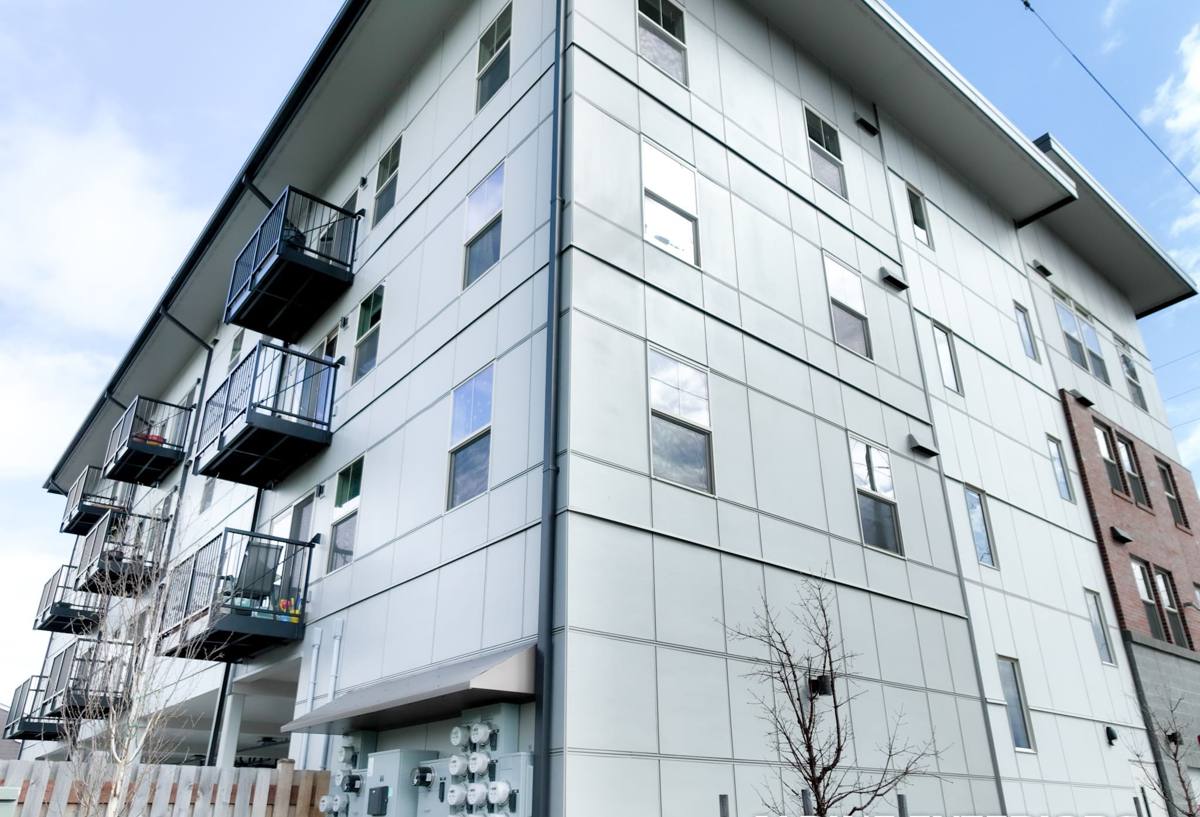
What Sunnyland's Climate Asks of a Siding System
Salt Air
Bellingham sits on the Salish Sea, and salt-laden air moves through Whatcom County neighborhoods well inland of the immediate shoreline, Sunnyland included. Salt accelerates corrosion on fasteners, flashing, and any exposed metal trim, and it wears down lower-grade coatings faster than they'd wear in a dry inland climate. A siding product's finish and hardware need to be chosen with that corrosion exposure in mind from day one, not discovered as a problem five years in.
Driving Rain
Rain in this part of Washington tends to come in on a wind rather than fall straight down, which pushes moisture sideways into lap joints, seams, and fastener penetrations instead of simply sheeting off a wall. A siding system that depends on gravity alone to shed water, rather than correct lapping, flashing, and sealed penetrations, is working against this climate instead of with it. This is one of the most common causes of hidden wall damage we find when we open up older siding on Bellingham homes.
A Long Moss Season
Mature tree cover and mild, damp temperatures add up to a moss and mildew season that runs most of the year across Bellingham, and Sunnyland's tree-lined streets are no exception. North-facing walls and anywhere airflow is limited tend to grow moss first. Materials that are even slightly porous, or that trap moisture against the substrate, become growth surfaces over time, and once moss takes hold it holds even more moisture against the wall, compounding the problem year over year.
Why We Only Install James Hardie Fiber Cement
We used to install a broader range of siding products. We stopped, and that decision came out of repeated service calls and tear-offs on homes dealing with exactly the kind of moisture and salt exposure Sunnyland sees, not a supplier relationship or a marketing angle.
- Non-combustible core: fiber cement doesn't feed a fire the way wood-based siding products can, which matters for homeowner safety and can factor into insurance considerations.
- Factory-applied ColorPlus finish: color is baked on in a controlled factory process rather than brushed on in the field, so it resists fading and chalking longer than site-applied paint holds up against this climate.
- Climate-engineered HZ5 formulation: Hardie builds region-specific HZ product lines, and HZ5 is engineered for heavy moisture exposure and freeze-thaw cycling, a close match for Whatcom County's weather.
- Dimensional stability: fiber cement doesn't swell, cup, or warp the way engineered wood or primed wood products can after repeated wet-season exposure.
- Strong transferable warranty: Hardie backs the product with a solid warranty structure, provided the installation follows their spec, which is where a lot of siding failures actually originate.
We don't install LP SmartSide, vinyl, Cemplank, Allura, primed spruce, or cedar. Each has a place in the broader market, and plenty of homeowners are happy with them elsewhere. But we've made a professional call that in a climate with this much sustained moisture and salt exposure, we'd rather stand behind one fiber cement system fully than offer a cheaper option that quietly shifts maintenance risk onto the homeowner a decade down the road.
What a Correct Hardie Installation Actually Involves
The product itself is only part of the equation. Most siding failures we're called out to inspect trace back to installation shortcuts, not a defect in the board. On a Sunnyland home, we pay particular attention to:
- Correct clearance between the bottom of the siding and grade, decking, or roofing, so water can't wick up into the board from below
- Properly lapped and sealed house wrap or weather-resistant barrier underneath the siding, matched to the wall assembly
- Flashing at every window, door, and roof-to-wall transition, integrated with the water-resistive barrier rather than caulked on as an afterthought
- Correct fastener type, spacing, and depth per Hardie's installation spec, since improper fastening is one of the more common causes of early siding problems
- Painted or factory-sealed cut edges, since an exposed raw edge is a moisture entry point regardless of how well the rest of the board is finished
- Adequate expansion gaps at seams and trim, sized correctly for the product and climate
None of this is exotic. It's the manufacturer's own installation spec, applied consistently, and it's also exactly what a wet, salt-exposed climate punishes you for skipping.
Matching the Product Line to the House
HardiePlank Lap Siding
The most common choice for Sunnyland homes, HardiePlank gives a traditional horizontal reveal that fits the mix of older and newer housing in the neighborhood without looking out of place next to neighboring homes.
HardiePanel and HardieShingle
Vertical panel siding works well as an accent on gables or a more modern-leaning remodel, and HardieShingle can replicate a cedar shingle look for homes where that's the architectural style, without the moisture and maintenance issues actual cedar shingle carries in this climate. We'll walk through which fits your specific house rather than defaulting to one product across every job.
Our Process for a Sunnyland Siding Project
- Walk-through and assessment: we inspect the existing siding, wall assembly, and any moisture-prone areas specific to your home's orientation and tree cover before quoting anything.
- Honest scope and estimate: a written estimate that reflects what your home actually needs, including likely substrate repair if we expect to find moisture damage once old siding comes off.
- Tear-off and substrate check: removing old siding gives us a direct look at sheathing and framing, which is when hidden rot or moisture damage, if any, gets addressed before new material goes up.
- Weather barrier and flashing: house wrap, flashing at every penetration, and correct lapping, done before a single piece of Hardie goes on the wall.
- Installation to manufacturer spec: correct clearance, fastening, sealed edges, and expansion gaps, following James Hardie's published installation requirements.
- Final walkthrough: we review the finished work with you directly rather than treating the last coat or last board as the finish line.
Cost Factors on a Sunnyland Siding Project
| Factor | Why It Matters |
|---|---|
| Home size and wall complexity | More corners, gables, and trim detail means more cutting, fitting, and labor time |
| Tear-off vs. overlay | Full removal exposes the sheathing for repair, which older Sunnyland homes with prior moisture exposure often need |
| Substrate repair | Rot or moisture damage found once old siding comes off adds scope, and it's better addressed than covered over |
| Product line and texture | Lap siding, panel, and shingle profiles carry different material and labor costs |
| Trim and window count | Each window, door, and trim detail adds flashing and fitting work |
| Site access and tree cover | Mature trees and tighter lots common in this neighborhood can affect staging and cleanup time |
Exact numbers depend on the specific house and what we find once work starts, which is why we walk every Sunnyland property in person before giving a real number rather than quoting off a square-footage formula.
Signs Your Sunnyland Home's Siding Needs Attention
- Moss or dark staining that returns quickly after cleaning, especially on shaded, north-facing walls
- Soft or spongy siding, particularly low on the wall or around window and door trim
- Visible warping, cupping, or gaps opening up at seams
- Peeling paint or a chalky finish that rubs off on your hand
- Rust staining running from fasteners or trim
- Rising energy bills that suggest air or moisture is getting through the wall assembly
Why a Crew That Already Works Sunnyland Matters
A contractor who works Bellingham neighborhoods regularly, and Sunnyland specifically, has already seen how salt air, wind-driven rain, and a long moss season behave on real houses through a full year, not just how a product performs on a spec sheet. That repeated, local exposure shapes practical decisions on the job: where extra flashing attention pays off given this neighborhood's tree cover and mix of older and newer construction, how much clearance to build in given how long the ground stays wet, and which details are worth the extra time on install day so you're not dealing with a callback two winters later. A crew that only occasionally works this specific climate is more likely to fall back on generic details that don't quite fit what Whatcom County actually puts a house through.
Get a Free, No-Pressure Estimate
If your Sunnyland home needs new siding, or you're trying to figure out whether what's on the wall now can be repaired or should be replaced, we're glad to take a look and give you a straightforward, honest assessment. Reach out using the form below to schedule a free estimate, no pressure, no upsell script.