 Bellingham Exterior
 Roofs in Puget Face a Different Kind of Wear
Homes in the Puget area of Bellingham sit close enough to the water that salt-laden air, near-constant winter rain, and a moss season that can run eight months or longer all work against a roof at the same time. A roof that would coast for years in a dry inland climate can develop real problems here in half that time if it isn't maintained and repaired correctly. We've built our roof repair process around what actually fails on roofs in this part of Whatcom County, not a generic checklist written for a different climate.
This page covers roof repair specifically — not full replacement — for homes in Puget: what the climate does to a roof, what a proper repair actually involves, how we handle the job, and what to look for when you're deciding who to hire.
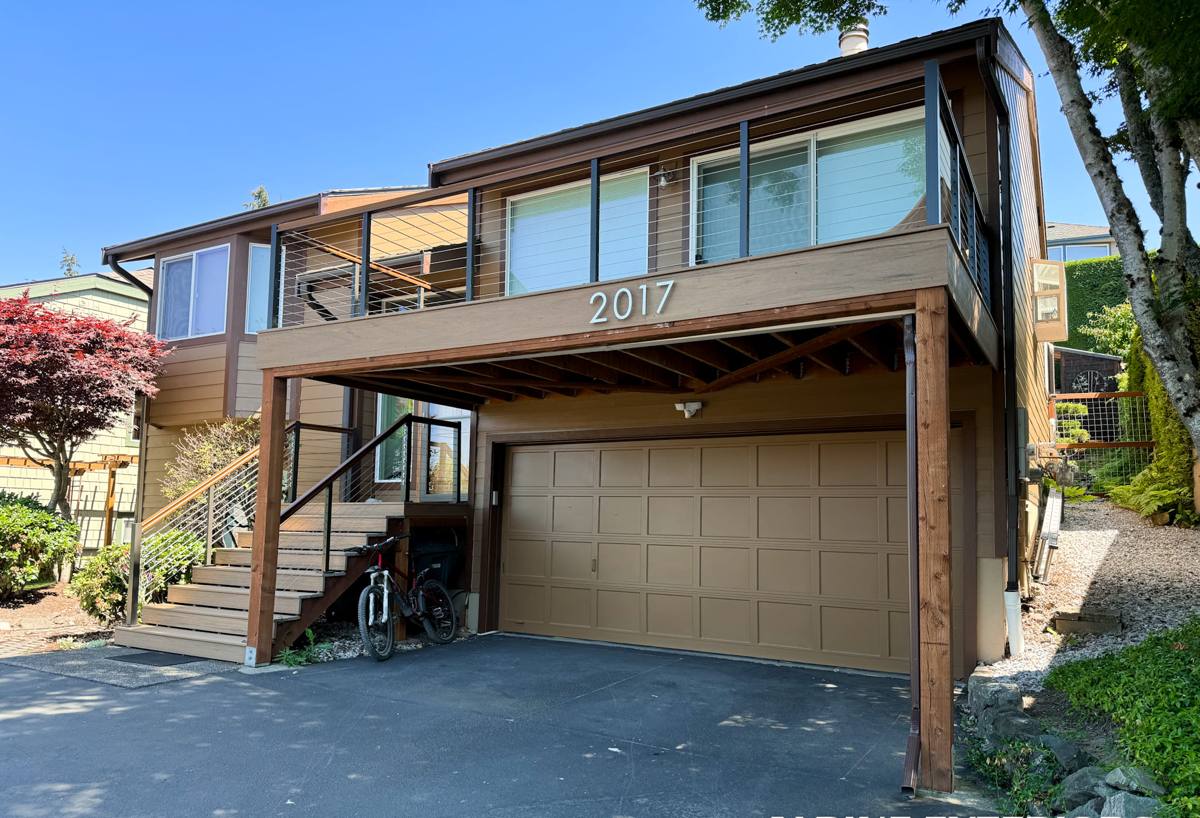
What the Marine Climate Does to a Roof
Moss and Organic Growth
Moss doesn't just sit on top of shingles — it works into the granule layer, holds moisture against the roofing material, and over time lifts shingle edges as it grows. On north-facing slopes and anywhere shaded by trees, moss can establish itself within a couple of seasons if a roof isn't cleaned. Left unchecked, it accelerates granule loss, which shortens the life of the shingle and opens the door to leaks well before the roof's expected age.
Driving Rain and Wind-Driven Moisture
Storms coming off the water don't just drop rain straight down — wind pushes it sideways, up under shingle tabs, and into any gap in flashing or fastening. This is why so many of the leaks we find in Puget start at edges, valleys, and penetrations rather than in the open field of the roof. A roof can look fine from the ground and still be taking on water at a poorly sealed vent boot or a valley with worn flashing.
Salt Air and Metal Fatigue
Proximity to Bellingham Bay means metal roofing components — flashing, fasteners, vent caps, gutters — corrode faster than they would further inland. Corroded fasteners back out, corroded flashing develops pinholes, and both lead directly to water intrusion. This is one of the reasons we pay close attention to fastener and flashing material choice on every repair in this area, not just the shingle itself.
Signs a Puget Home Needs Roof Repair
Most roof problems in this climate give warning signs before they become an interior leak. Homeowners who catch these early save money, because a targeted repair is almost always cheaper than the drywall, insulation, and framing repair that follows a roof that's been leaking unnoticed.
- Moss or dark streaking visible on the roof surface, especially on shaded or north-facing slopes
- Granules collecting in gutters or at the base of downspouts
- Curling, cracked, or lifted shingle edges
- Rusted or visibly corroded flashing around chimneys, skylights, or vent pipes
- Soft spots, sagging, or discoloration on ceilings after a heavy rain
- Daylight visible through the roof deck from inside the attic
- Loose or missing shingles after a windstorm
- Water stains around interior chimney chases
If you're seeing any two or more of these together, it's worth having the roof looked at before the next rainy stretch rather than waiting for an active leak.
Common Repairs We Handle in Puget
Flashing and Valley Repair
Flashing failures are the single most common repair call we get in this area. Chimney flashing, valley metal, and skylight flashing all take direct hits from wind-driven rain, and once the seal or the metal itself fails, water finds its way to the deck below. A correct flashing repair means removing the failed section, checking the decking underneath for rot, and re-flashing with properly lapped, sealed material — not just caulking over the old flashing, which is a short-term fix that tends to fail again within a season or two.
Vent Boot and Penetration Repair
Rubber and plastic vent boots degrade with UV and moisture exposure faster than the shingles around them. A cracked boot is a small, inexpensive fix if caught early, but it's also one of the most overlooked leak sources because the damage often shows up on the ceiling several feet away from the actual penetration.
Moss Removal and Treatment
Proper moss removal means clearing growth without damaging or stripping granules off the shingle, then treating the surface to slow regrowth. We don't pressure-wash asphalt shingle roofs — it strips granules and shortens the roof's remaining life. Hand removal and appropriate treatment protects the investment you already have in the roof.
Shingle and Section Replacement
When wind or age damages a limited area, we match and replace shingles in that section rather than defaulting to a full re-roof. This only works well when there's compatible material available and the surrounding shingles are still sound — part of our job during the estimate is telling you honestly when a patch will hold and when it won't.
Deck and Sheathing Repair
Any time we open a roof for repair, we check the decking underneath. Chronic leaks in this climate often lead to soft or rotted sheathing before they're ever noticed inside the house. Repairing the deck properly — not just covering it back over — is the difference between a repair that lasts and one that fails again in a year.
Repair or Replace? How We Make That Call
Not every roof problem calls for a full replacement, and not every roof is a good candidate for another round of patching. We look at the roof's age, the extent of the damage, and how much of the roof is affected before recommending either path.
| Factor | Leans Toward Repair | Leans Toward Replacement |
|---|---|---|
| Roof age | Under 15 years, moss/asphalt roofs typically | Nearing or past manufacturer's expected lifespan |
| Extent of damage | Isolated to one section, valley, or penetration | Widespread granule loss or multiple failing areas |
| Deck condition | Solid, dry sheathing under the damaged area | Soft, rotted, or repeatedly wet decking |
| Leak history | First or isolated leak event | Recurring leaks in different spots over time |
| Shingle availability | Matching material still obtainable | Discontinued profile or color, poor match available |
We'll walk you through where your roof falls on this before we recommend a scope of work — the goal is an honest answer, not the largest possible job.
Our Roof Repair Process
- On-site inspection of the roof surface, flashing, penetrations, and attic (where accessible) to identify the actual source of the problem, not just the visible symptom
- Written scope and estimate explaining what we found, what we recommend, and why
- Scheduling that accounts for weather — roof repairs in this area need a dry window to do the job right, and we plan around that rather than rushing a repair into wet conditions
- Removal of damaged material and inspection of the deck underneath before anything new goes back on
- Repair using materials matched to the existing roof and appropriate for marine climate exposure
- Final walk-through so you can see the completed work and ask questions before we consider the job done
Materials and Workmanship We Hold To
We use corrosion-resistant flashing and fasteners as a standard on repairs in this area, not an upsell — standard galvanized fasteners have a shorter service life this close to the water, and using them to save a few dollars on a repair just means doing the same repair again sooner. We also don't recommend certain low-cost patch methods, like surface-applied roof cement over unaddressed flashing failures, because they trap moisture rather than shedding it and tend to mask a problem instead of fixing it. Our standard is a repair that addresses the actual cause of the failure, not just the symptom visible from the ground.
Why a Crew That Already Works in Puget Matters
A roofing crew that works regularly in this specific part of Bellingham already knows which roof styles and ages are common here, which manufacturers' products were used in past decades of local construction, and which failure patterns show up again and again given the exposure to the Sound. That familiarity means less time spent diagnosing and more time spent fixing the actual problem — and it means the material and fastener choices are already calibrated to what holds up here, rather than what holds up somewhere with a milder, drier climate.
We also know that scheduling around this area's weather isn't optional. Rushing a repair into a wet forecast just to get it done faster tends to produce work that has to be redone. Local experience means realistic scheduling, not overpromising.
Maintaining Your Roof Between Repairs
A repaired roof still needs periodic attention in this climate to get its full expected life out of it.
- Have moss and debris cleared at least once a year, more often under overhanging trees
- Keep gutters clear so water doesn't back up under the roof edge
- Check attic ventilation — poor airflow traps moisture and accelerates deck rot from underneath
- Have flashing and penetrations visually checked after any major windstorm
- Address small leaks immediately rather than waiting to see if they get worse
If you're seeing signs of trouble on a roof in the Puget area, or you just want an honest opinion on whether a repair will hold, we're happy to take a look. Reach out for a free, no-pressure estimate using the form below.