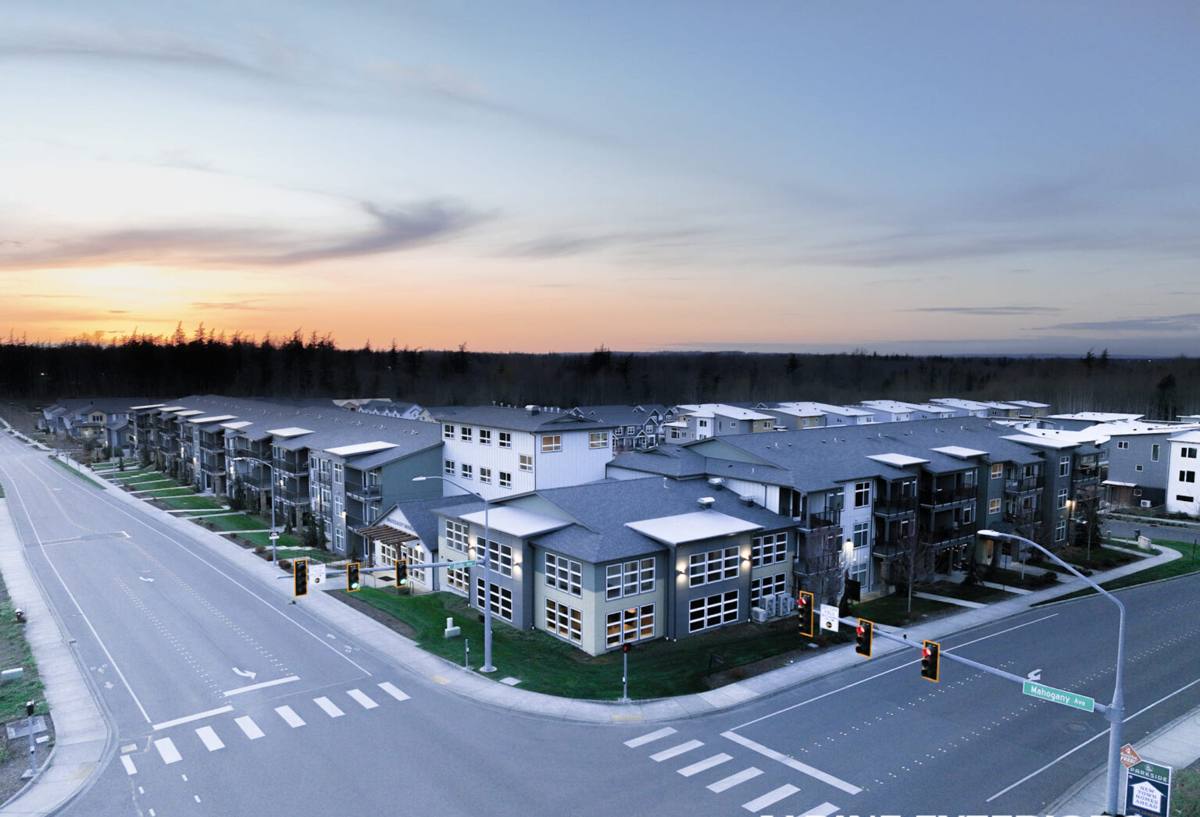
 Bellingham Exterior
 Roof Replacement in Columbia: Built for This Climate, Not a Generic One
Homes in Bellingham's Columbia neighborhood sit close enough to the water and tree cover that roofs take a different kind of beating than a typical inland home. Salt-laden air off the bay accelerates corrosion on exposed metal fasteners and flashing. Driving rain, pushed sideways by wind off the water, finds every weak lap and gap in underlayment that a calmer climate would never expose. And the long, damp shoulder seasons here mean moss and algae have months to establish themselves on any shaded slope, which is most of them under Columbia's mature tree canopy. A roof replacement done right in this neighborhood isn't just about swapping old shingles for new ones — it's about choosing materials and details that specifically hold up to salt, wind-driven rain, and moss pressure year after year.
We work throughout Whatcom County, but Columbia's mix of older housing stock, tree-shaded lots, and proximity to Bellingham Bay means the roofs here fail in specific, predictable ways. This page covers what that means for a replacement project on a Columbia home.
Signs a Columbia Roof Needs Replacing, Not Just Repairing
Not every roof problem in this neighborhood calls for full replacement, but there's a point where patching stops making financial sense. Here's how we help homeowners tell the difference.
Replace when:
- Granule loss is heavy and even across the roof, not just around one repair spot
- Moss has been present for multiple seasons and has lifted shingle edges or worked under tabs
- Flashing around chimneys, vents, and valleys is original and the shingles around it are the same age
- You've had two or more separate leak repairs in different areas within a few years
- Decking shows soft spots, staining, or sagging when walked or viewed from the attic
Repair may still make sense when:
- The roof is under 12–15 years old and the damage is isolated to one section or penetration
- The underlying decking and structure are sound
- The issue is a single failed flashing detail rather than widespread material wear
An honest inspection should tell you which category you're in before any sales pitch about replacement. If a roof can legitimately be repaired for a few more years of service, we'll say so.
What a Correct Roof Replacement Actually Involves
A roof replacement is only as good as what happens underneath the shingles. On Columbia homes especially, the details that don't show from the street are what determine whether the roof handles another 20+ years of Pacific Northwest weather.
Full tear-off, not overlay
We remove the existing roofing down to the deck rather than layering new shingles over old. Overlaying traps moisture, hides deck damage, and voids most manufacturer warranties. It's also the only way to properly address moss growth that's already worked into the old roofing system.
Deck inspection and repair
Once the old roofing is off, we check the decking for rot, delamination, and soft spots — common where moss has held moisture against the roof for years. Any damaged sections get replaced before anything new goes down, not covered over.
Ice-and-water shield and underlayment
Given how much driving rain this area sees, underlayment choice matters more here than in drier climates. We use synthetic underlayment across the field and self-adhering ice-and-water membrane at eaves, valleys, and any low-slope transitions — the spots where wind-driven rain is most likely to push water backward under shingles.
Flashing detail work
Chimneys, skylights, sidewall step flashing, and valleys are where most roof leaks actually start, not the open field of shingles. In a salt-air environment, we favor corrosion-resistant flashing materials and proper fastener choices over anything that will pit or streak within a few seasons.
Ventilation
Balanced intake and exhaust ventilation keeps the attic dry and temperature-stable, which slows moss regrowth from underneath and protects the new decking and shingles from premature aging. A lot of older Columbia homes were built before current ventilation standards, so this is often the single biggest upgrade in a replacement project.
Roofing Material Options for This Climate
Every material has trade-offs. The right choice depends on your home's slope, shade cover, budget, and how long you plan to own the house.
| Material | Moss & Moisture Behavior | Typical Lifespan | Considerations for Columbia Homes |
|---|---|---|---|
| Architectural asphalt shingle | Good with proper ventilation and periodic cleaning | 25–30 years | Most common, widest style range, reliable value |
| Metal (standing seam or panel) | Excellent — sheds moss and moisture, minimal organic buildup | 40–50+ years | Higher upfront cost; needs corrosion-resistant fasteners near the bay |
| Synthetic/composite shake | Good, resists moisture absorption better than wood | 30–40 years | Good look for older-character homes without wood's maintenance needs |
| Cedar shake | Requires regular maintenance to manage moss and rot | 20–30 years with upkeep | Traditional look, but high maintenance burden in this climate |
We don't push cedar shake replacements in heavily shaded Columbia lots as a default recommendation — not because it's a bad product, but because the maintenance commitment to keep it moss-free and dry under this area's tree cover is significant, and we'd rather set that expectation honestly upfront than have a homeowner surprised by it in year three.
Moss and Moisture: The Two Issues That Actually Drive Replacement Timing Here
If you own a home in a shaded part of Columbia, moss is not a matter of if but when. It's not just cosmetic — moss holds water against the roof surface, works under shingle tabs as it grows, and keeps the deck damper than it should be for long stretches of the year. Combined with Whatcom County's extended wet season, that moisture exposure is the leading cause of premature roof failure we see on inspections in this neighborhood.
During a replacement, we address this at the source rather than just installing new shingles into the same conditions:
- Improving attic ventilation so the deck runs drier and cooler year-round
- Discussing zinc or copper strips at the ridge on shaded roofs, which help suppress moss regrowth over time
- Confirming gutters and downspouts move water away from the roof edge properly, since backed-up gutters keep the lower courses of shingles wet far longer than they should be
- Recommending a realistic cleaning interval based on your specific tree cover, rather than a one-size-fits-all schedule
Our Replacement Process
- Inspection and assessment — we get on the roof (not just a ground-level look) and check decking, flashing, ventilation, and moss condition
- Honest scope and estimate — a clear written proposal covering materials, labor, and what we found underneath, with no pressure to upsell beyond what your roof needs
- Material selection — we walk through the options in the table above against your budget and how shaded your particular roof is
- Tear-off and deck repair — full removal, deck inspection, and replacement of any damaged sheathing
- Underlayment and flashing — ice-and-water membrane at vulnerable areas, new flashing at all penetrations and valleys
- Installation — shingles or panels installed to manufacturer spec, with attention to fastening patterns that hold up against coastal wind
- Ventilation check — intake and exhaust balanced for your attic's actual size and insulation
- Final walkthrough — cleanup, magnetic sweep for stray fasteners, and a review of what was done before we consider the job finished
What Drives Roof Replacement Cost
Every roof is priced individually, but the same handful of factors move the number up or down on most Columbia projects.
| Factor | Why It Matters |
|---|---|
| Roof size and number of planes | More squares and more valleys/hips mean more material and labor |
| Deck condition | Rotted sheathing found during tear-off adds material and time to replace |
| Material choice | Asphalt, metal, and composite carry different material and install costs |
| Pitch and access | Steep or hard-to-access roofs require more safety equipment and time |
| Ventilation upgrades | Adding intake/exhaust vents where none existed is additional but often worthwhile work |
| Layers to remove | Tear-off of multiple existing layers takes longer than a single-layer removal |
We give a written estimate that breaks these out so you can see what you're paying for, rather than a single lump number.
Why Hire a Crew That Already Works in Columbia
A roofing crew that regularly works this neighborhood already understands its housing stock — the era most homes were built, common deck and framing quirks, and how much moss pressure to expect based on tree cover and orientation. That local familiarity means fewer surprises during tear-off and a more accurate estimate from the start.
It also means we're a known, reachable name if a warranty question or storm-related concern comes up years down the road — not a crew that worked one job in the area and moved on. For a project as significant as a roof replacement, that continuity matters.
After Your Replacement: Keeping It in Good Shape
- Have gutters cleaned at least twice a year, more often under heavy tree cover
- Schedule a moss check-up before each wet season if your roof is shaded
- Watch for granule buildup in gutters after the first few storms — some is normal, excessive shedding is not
- Keep overhanging branches trimmed back to reduce debris and shade on the roof surface
- Have the roof looked at after any major windstorm to check for lifted shingles or displaced flashing
If you're weighing repair versus replacement, or just want an honest read on where your Columbia home's roof actually stands, we're happy to take a look. The estimate is free, there's no pressure, and you'll get a straight answer either way — just fill out the form below to get started.