 Bellingham Exterior
 Why Decks in Silver Beach Wear Differently Than Decks Inland
Silver Beach sits in the part of Whatcom County where the marine climate off Bellingham Bay meets a lot of mature tree cover. That combination means two things for a deck: near-constant low-level moisture for much of the year, and shade patterns that keep certain sections of a deck damp long after the rest has dried out. A deck in a wide-open, sunny yard sheds water and dries fast. A deck tucked under fir or cedar canopy, or shaded by a house on a sloped lot, can stay wet for days after a storm passes. That's the pattern we see over and over in this neighborhood.
Add in our long stretch of driving winter rain and the salt-tinged air that comes off the bay, and you get a slower, quieter kind of deck damage. It's rarely one dramatic failure. It's fastener corrosion, softened wood fiber, and moss creeping into joints — all things that look cosmetic on the surface but point to real structural questions underneath.
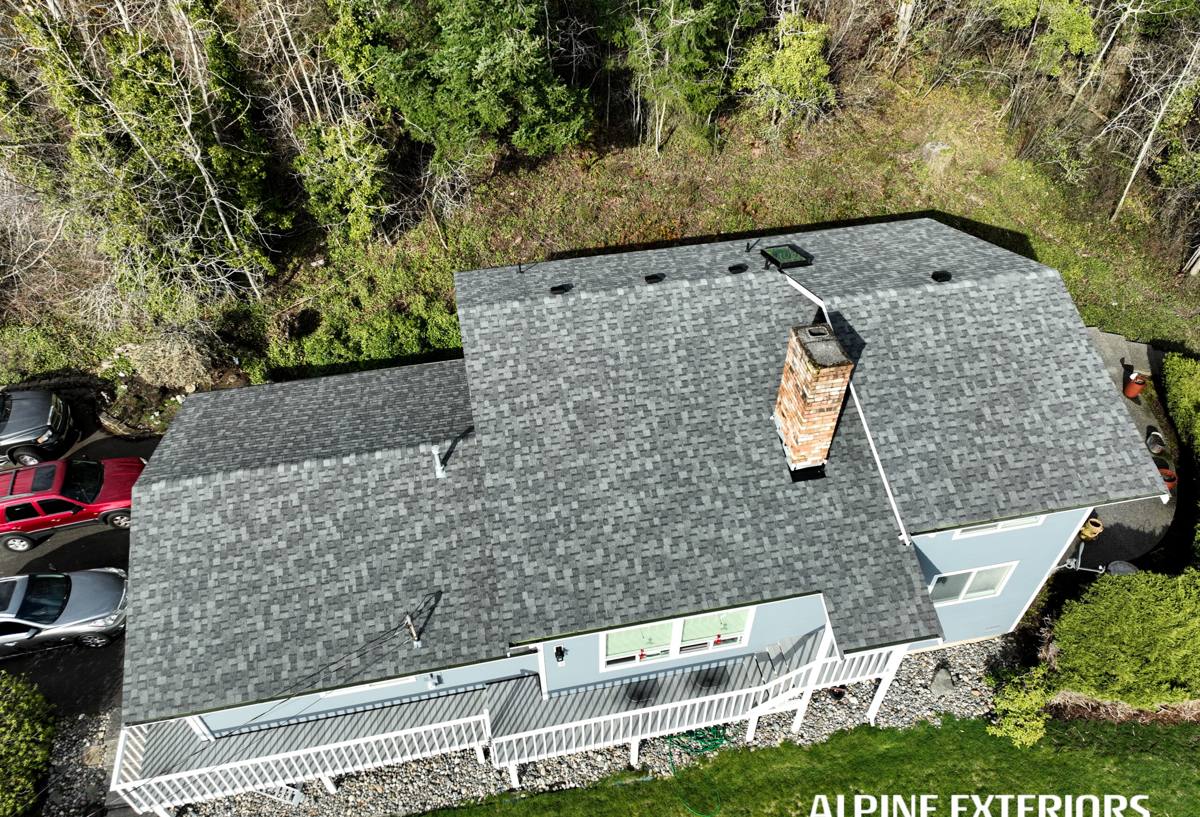
Signs a Deck Needs Repair, Not Just a Cleaning
A lot of homeowners call us for a "power wash and re-stain" and we end up having a different conversation once we're actually on the deck. Here's what tells us a repair is needed rather than a refresh.
Soft or Spongy Decking
If a board flexes or feels soft underfoot, especially near the house or along a shaded edge, moisture has gotten into the wood fiber. Surface treatments won't fix this — the board (and sometimes the joist beneath it) needs to come out.
Loose Rail Posts or Movement at the Stairs
Railing posts that wiggle, or stair stringers that feel like they shift slightly when you step, are a safety issue before they're a cosmetic one. This is almost always a connection problem — bolts, brackets, or a post base that's rotted where it meets the frame.
Rust Streaks and Popped Fasteners
Nails or screws that have backed out, or rust trails bleeding down a board, tell us the fastener isn't holding the way it should. In our climate, this shows up faster on older decks built with standard fasteners instead of coated or stainless hardware.
Gaps or Staining Where the Deck Meets the House
The ledger board — where the deck attaches to the house — is the single most important structural connection on the whole deck. Gaps, dark staining, or soft trim in this area can mean water has been tracking behind the flashing for a while. This is the one spot we never treat as cosmetic.
What a Correct Deck Repair Actually Involves
A repair that's done right starts underneath, not on the surface. Here's the order we work in, and why it matters.
Structural Assessment First
Before any board gets replaced, we check the ledger connection, the posts and footings, the joists, and the hardware. A deck can look fine on top and still have a joist that's lost most of its strength from years of trapped moisture. Skipping this step is how "repairs" end up needing to be redone within a couple of seasons.
Board-by-Board Decisions
Not every damaged board needs replacing, but every board needs to be checked individually. We probe suspect areas, look at fastener condition, and decide board-by-board rather than assuming a whole section needs to come out just because a few boards are bad.
Fasteners and Flashing Get Upgraded, Not Just Reused
When we open up a repair area, we don't put back the same corroded fasteners or missing flashing that let the problem start. Correct flashing at the ledger and coated or stainless fasteners throughout are what keep a repair from becoming a repeat visit.
Repair vs. Replace: How We Help You Decide
Not every deck with problems needs a full rebuild, but sometimes a full replacement is genuinely the more cost-effective choice over a five-to-ten-year horizon. Here's how we walk homeowners through that decision.
| Factor | Leans Toward Repair | Leans Toward Replacement |
|---|---|---|
| Framing condition | Joists and beams are sound, damage is isolated | Multiple joists or the ledger show rot or soft spots |
| Age of the deck | Under 10-15 years, built with adequate framing | Original construction is old or undersized for current code |
| Extent of damage | Limited to a few boards, one rail section, or stairs | Damage is spread across multiple structural areas |
| Fastener and flashing condition | Hardware is in reasonable shape, isolated corrosion | Widespread rust, missing or failed flashing at the ledger |
| Your plans for the deck | You're happy with the current size and layout | You want a different footprint, railing style, or material |
Broad ranges only — actual scope varies a lot by size and access. Spot repairs (a few boards, a rail section, stair stringers) are typically a smaller, contained project. Structural repair involving the ledger, multiple joists, or footings is a bigger job because it involves opening up the deck. A full deck replacement is its own category of project entirely. The only way to know which category your deck falls into is an on-site look, which is why we don't quote deck work sight unseen.
Our Process for Silver Beach Deck Repairs
- On-site inspection. We walk the whole deck, check the ledger, probe boards and framing, and look at posts, footings, and stairs.
- Clear scope and options. You get a straightforward explanation of what's actually wrong, what repair options exist, and what each one involves — no upsell to a full rebuild if a targeted repair will genuinely hold.
- Structural work first. Any framing, ledger, or footing issues get corrected before cosmetic work starts.
- Board, rail, and fastener replacement. Damaged decking, rail sections, and hardware are replaced with materials suited to our climate, not just whatever matches the existing look.
- Final check and maintenance guidance. We walk you through what to watch for and how often the deck should be cleaned and inspected going forward.
Material Choices: What We Recommend and Why
For repairs, the right material usually depends on what's already there. Matching new cedar to existing cedar decking keeps the look consistent, but cedar needs a real maintenance commitment in this climate — regular cleaning and refinishing to keep moisture out of the fiber. Composite and PVC decking cost more upfront but need far less upkeep, which is worth considering if you're already replacing significant sections of decking.
Where we're firm is on what goes underneath, regardless of decking material: correct flashing at the ledger, coated or stainless fasteners, and joist protection where boards meet framing. Those choices don't show once the deck is finished, but they're the difference between a repair that lasts and one you're calling us about again in three years.
Moss, Mildew, and Keeping a Repaired Deck That Way
Whatcom County's moss season runs long — often eight months or more in shaded yards — and a freshly repaired deck is not immune. Moss holds moisture against the wood and accelerates exactly the kind of decay that caused the original repair. A little seasonal upkeep goes a long way toward protecting the work.
- Clear leaves and debris from between boards before fall rains set in
- Sweep or blow off moss buildup on shaded sections through winter and spring
- Keep gutters and downspouts clear so water isn't dumping directly onto the deck
- Check the ledger area and any rail posts once a year for early signs of staining or softness
- Re-seal or re-stain wood decking on the manufacturer's recommended schedule, not just when it looks faded
Why Local Experience with Silver Beach Homes Matters
Deck problems in this neighborhood tend to follow patterns tied to lot slope, tree cover, and how much sun different sections of a deck actually get through the year — not just generic "wood gets old" wear. A crew that works in Silver Beach and the surrounding Bellingham area regularly knows to check the shaded north side of a deck more closely than the sunny side, knows which ledger flashing details tend to fail first in this climate, and isn't guessing at how fast moss will come back based on a job done somewhere drier. That local pattern recognition is what keeps an inspection from missing something, and what keeps a repair from being a temporary fix.
If you're seeing soft boards, movement in the railing, or a deck that just doesn't feel as solid as it used to, we're happy to take a look. We offer free, no-pressure estimates for deck repair in Silver Beach and throughout the Bellingham area — use the form below to get one scheduled.