 Bellingham Exterior
 Asphalt Shingle Roofing Built for South Hill's Weather
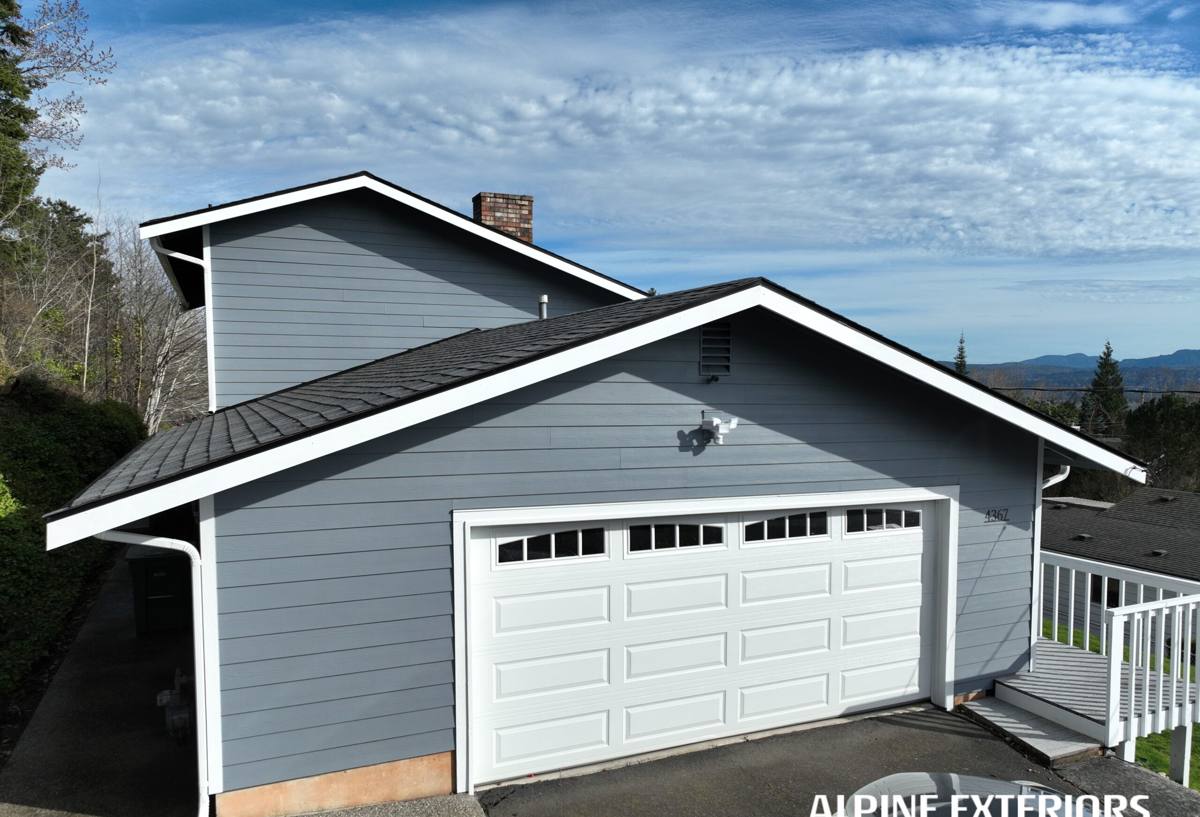
South Hill sits up in elevation relative to much of Bellingham, which means homes here catch more wind off Bellingham Bay and take a harder hit from wind-driven rain during winter storms. Add the salt air that rolls in off the water, a tree canopy that shades roofs for long stretches of the day, and a moss season that can run from October through May, and you've got a roof environment that punishes shortcuts. Asphalt shingle roofing is still the most practical, cost-effective choice for most South Hill homes — but only when it's installed with this specific climate in mind, not installed the same way you'd install it in a dry inland town.
We work on South Hill regularly, which matters more than it might sound. A crew that's replaced and repaired roofs on this hill knows which slopes hold moss longest, which older homes have ventilation problems baked into the original construction, and where ice and debris tend to collect along valleys and eaves. That local pattern recognition shows up in a longer-lasting roof.
What Bellingham's Climate Actually Does to a Shingle Roof
It helps to understand the specific mechanisms at work, not just "it rains a lot here."
Moss and Organic Growth
Whatcom County's damp, mild winters are ideal moss conditions — shade, moisture, and mild temperatures that never fully dry the roof surface. Moss roots work under shingle tabs and granules, lifting edges and holding water against the roof deck. On heavily shaded South Hill lots, moss can establish within a couple of years on a roof that was never treated or protected.
Salt Air and Metal Components
Being close to Bellingham Bay means a steady low-level exposure to salt-laden air. This doesn't affect the shingles themselves much, but it accelerates corrosion on unprotected fasteners, flashing, and vent components if lower-grade materials are used.
Driving Rain and Wind
Storms coming off the water hit South Hill's elevation and exposure directly, driving rain sideways into eaves, valleys, and any gap in flashing or underlayment. A roof that would hold up fine in a sheltered valley can leak here if flashing details and underlayment coverage aren't done right.
Trapped Moisture and Ventilation
Cool, humid air combined with poor attic ventilation leads to condensation on the underside of the roof deck — which rots sheathing from the inside, independent of anything happening on the shingle surface.
What a Correct Asphalt Shingle Roof Involves Here
A roof that's going to hold up on South Hill needs more than shingles nailed to a deck. The details underneath and around the shingles are what separate a roof that lasts from one that needs attention in five years.
- Ice-and-water shield membrane at eaves, valleys, and around penetrations — not just felt paper — to guard against wind-driven rain and any freeze-thaw cycling
- Synthetic or high-quality felt underlayment across the full deck, properly lapped
- Balanced intake and exhaust ventilation sized to the actual attic volume, not a generic ridge vent slapped on without matching soffit intake
- Corrosion-resistant flashing and fasteners suited to a coastal, salt-air environment
- Proper nailing pattern and shingle exposure per manufacturer specs — over-driven or under-driven nails are a common cause of early failure
- Drip edge at eaves and rakes to direct water off the fascia instead of behind it
- Attention to valleys and any low-slope transitions, where standing water and debris collect first
Skipping any one of these doesn't usually cause an immediate problem — it shows up two, five, or ten years later as a leak, rotted sheathing, or moss you can't get ahead of. That's why we don't treat these as optional add-ons; they're part of what "installing a roof" means on this hill.
Our Process for a South Hill Roof
1. Inspection and Honest Assessment
We start by getting on the roof (or using a scope where access is limited) to check the deck condition, existing ventilation, flashing, and how much moss or organic growth has already taken hold. We'll tell you plainly whether you're looking at a repair, a partial replacement, or a full tear-off — we're not going to sell a full roof when a repair is the honest answer, or patch something that's past the point of patching.
2. Tear-Off and Deck Check
Old shingles come off down to the deck so we can actually see the sheathing. Any rotted or soft decking gets replaced before anything new goes down — covering over a compromised deck is how roofs fail early, and it's not something you can fix later without pulling the roof back up.
3. Underlayment and Flashing First
This is where the roof's real defense against Bellingham's rain gets built. Ice-and-water membrane at vulnerable areas, full underlayment coverage, and new flashing at every penetration, valley, and wall intersection — done before a single shingle goes down.
4. Ventilation Correction
If the attic ventilation is undersized or unbalanced, we address it as part of the job rather than leaving a moisture problem baked into a brand-new roof.
5. Shingle Installation
Installed to manufacturer spec for nailing pattern, exposure, and starter/cap course detail — the parts of the job that are invisible once finished but determine whether the roof holds up in wind and rain.
6. Cleanup and Walkthrough
Full site cleanup including a magnetic sweep for stray nails, followed by a walkthrough so you understand what was done and what maintenance, if any, we'd recommend going forward.
Choosing Shingles for This Climate
Not every asphalt shingle product performs the same way in a wet, mossy, salt-air environment. The table below covers the general categories homeowners choose between — we'll go over specific manufacturer options and warranty terms during your estimate.
| Shingle Type | Typical Lifespan | Moss/Algae Resistance | Notes for South Hill |
|---|---|---|---|
| Standard 3-tab | 15-20 years | Lower unless treated | Budget option; less wind resistance in exposed spots |
| Architectural (laminate) | 25-30 years | Better mat; algae-resistant options common | Most common choice we install here — good balance of cost and durability |
| Algae-resistant (AR) shingles | Same as base product | Copper or zinc granules resist algae/moss staining | Worth the modest upcost on shaded, north-facing, or tree-covered South Hill roofs |
| Premium/designer laminate | 30+ years, often with longer warranties | Typically includes AR protection | Better fit for steep, highly visible roofs where appearance matters long-term |
We generally steer South Hill homeowners toward algae-resistant architectural shingles unless there's a specific reason not to — the moss and algae resistance genuinely pays for itself here in reduced cleaning and treatment over the roof's life. We won't tell you a specific product is "bad," but we will walk you through the honest tradeoffs — some lower-tier products have thinner mats or less wind-rated sealant strips, which matters more on an exposed, elevation-facing roof than it would somewhere sheltered.
Repair, Partial Re-Roof, or Full Replacement?
Not every roofing problem on South Hill means a full replacement. Signs we look for to make that call:
- Isolated shingle damage from wind or debris on an otherwise sound roof — usually a repair
- Moss buildup with the deck still solid underneath — cleaning, treatment, and possibly a partial re-shingle
- Widespread granule loss, curling, or cracking across most of the roof — approaching or past the end of service life
- Soft spots, sagging, or visible deck rot — full tear-off and deck repair needed regardless of shingle age
- Persistent interior moisture, staining, or attic mold — often a ventilation issue, sometimes independent of the shingles themselves
We'll always give you the option that actually fits what we find, not the most expensive one that fits the schedule.
Moss Prevention and Ongoing Maintenance
Even a well-installed roof needs some upkeep in this climate. Zinc or copper strips near the ridge help suppress moss regrowth over time as rain washes trace metal down the roof surface. Periodic soft washing (not high-pressure washing, which damages granules) and keeping gutters and valleys clear of needles and leaves go a long way toward extending a roof's service life on a shaded South Hill lot. We can talk through a maintenance schedule that fits your specific property during the estimate.
Why a Local South Hill Crew Matters
Roofing crews that don't regularly work in this part of Whatcom County sometimes underbuild for conditions they don't see where they usually work — inland areas without the same wind exposure or salt air, or drier regions where moss just isn't a design consideration. Working South Hill roofs regularly means we already know the elevation and exposure patterns, which slopes tend to hold moisture, and how local permitting and inspection works. That translates into fewer surprises mid-job and a roof detailed correctly the first time, rather than a callback a year or two later.
If you're weighing a repair, a partial re-roof, or a full replacement on your South Hill home, we're happy to take a look and give you a straight assessment — no pressure, no inflated scope. Use the form below to request a free estimate.