 Bellingham Exterior
 Storm Damage Roof Repair Built for South Hill's Conditions
South Hill sits up on the slope above downtown Bellingham, which means the homes there catch weather a little differently than houses down in the flats. Elevation and exposure change how wind hits a roofline, how rain sheets off a slope, and how much shade a roof sits under from mature trees. When a storm rolls through Whatcom County off the Strait of Georgia, South Hill roofs often take the brunt of it before the wind even reaches the rest of the city. If you're dealing with damage after a storm, the repair needs to account for that exposure, not just patch what's visible from the street.
We work on roofs across Bellingham, but South Hill's mix of older housing stock, steep pitches, and heavy tree cover means the damage patterns and the fixes are often specific to the neighborhood. Here's what we look for, what a correct repair actually involves, and how we approach it.
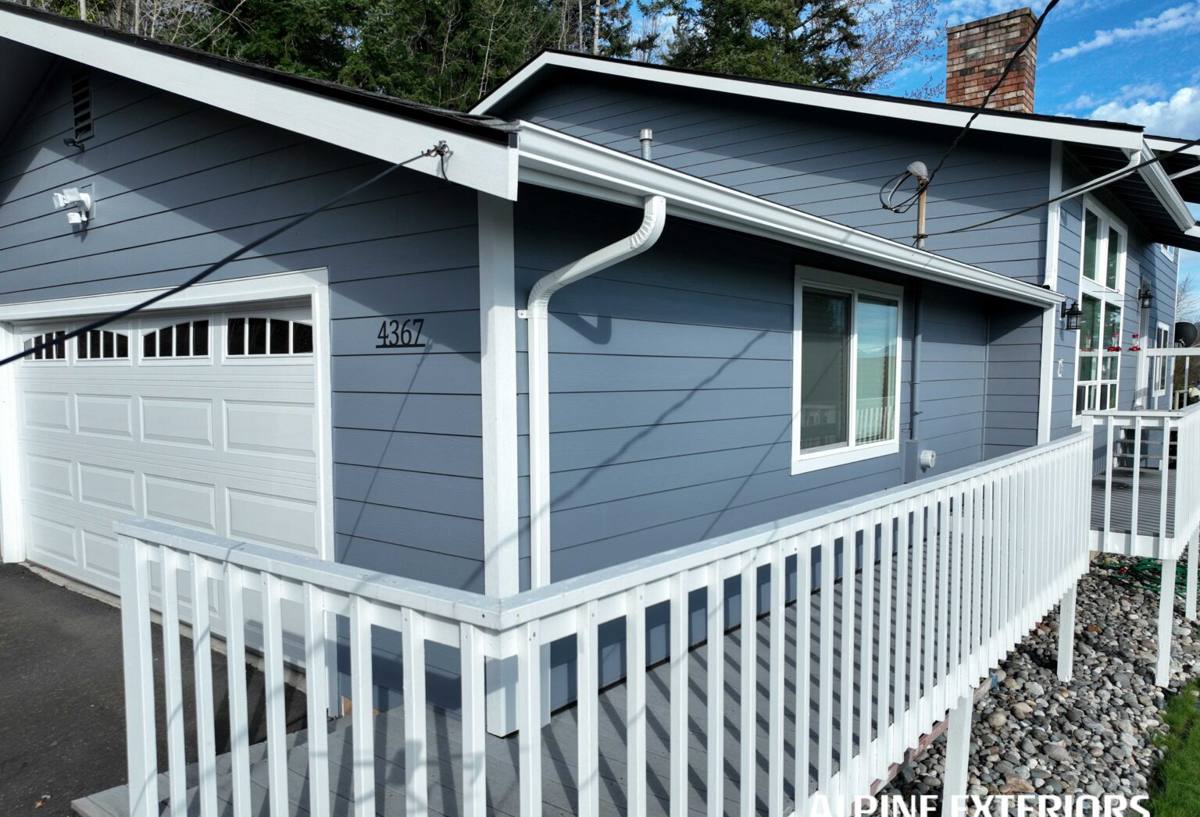
Why South Hill Roofs Take a Different Kind of Beating
Elevation and Wind Exposure
Being higher up the hill means less shelter from surrounding buildings and terrain during a windstorm. Gusts that might glance off a roof at sea level can hit a South Hill roof more directly, especially on the west- and south-facing slopes that catch storms coming off the water. That extra wind load is what lifts shingle edges, works flashing loose, and drives rain sideways under roofing material that would otherwise shed it fine.
Tree Canopy and Debris
Much of South Hill has substantial tree cover — a nice feature most of the year, but a liability during a windstorm. Falling limbs and debris are one of the most common causes of storm damage we see in the neighborhood, and the impact damage isn't always a dramatic hole. Often it's a cracked shingle, a dented vent cap, or a bent piece of flashing that looks minor but opens the door to water intrusion over the following weeks.
Salt Air and Moisture
Bellingham's proximity to the bay means salt-laden air reaches homes on the hill too, especially on days with a strong onshore wind. Salt air accelerates corrosion on exposed metal — flashing, fasteners, gutter hardware — and that corrosion is often what fails first during a storm, not the roofing material itself. A nail that's lost its grip to rust will back out under wind load a lot faster than a sound one.
What Storm Damage Actually Looks Like Up Close
Homeowners often expect storm damage to be obvious — a missing shingle, a visible hole. Sometimes it is. More often, it's subtler:
- Shingles that are cracked, creased, or lifted at the tab but still technically in place
- Flashing around chimneys, skylights, and roof-wall intersections that's been bent or pulled away from nailing
- Granule loss on asphalt shingles from wind-driven debris, visible as bare, shiny patches
- Gutters pulled loose or sagging from the weight of trapped debris and water
- Soft spots or discoloration on interior ceilings that show up days after the storm, once water has had time to travel
- Moss or organic buildup that trapped moisture during the storm and is now holding it against the roof deck
That last point matters more on South Hill than in drier parts of town. A roof with an existing moss problem doesn't just look bad — it holds water longer after a storm, which extends the window during which minor damage can turn into a deck or sheathing problem.
The Hidden Damage Problem: Why "It Looks Fine From the Ground" Isn't Enough
A lot of storm damage on steep South Hill roofs simply can't be assessed accurately from a ladder at the eave or with binoculars from the yard. Wind damage tends to concentrate at ridges, hips, and the edges facing the prevailing storm direction — areas that are hard to see from ground level and easy to underestimate. We've seen roofs that looked untouched from the driveway have real lifted flashing and cracked underlayment once we were actually walking the slope.
This is also where a rushed inspection costs homeowners money later. A repair that only addresses what's visible from the ground can leave compromised flashing or loosened shingles in place, which means the next rainstorm — not a dramatic one, just a normal Whatcom County downpour — finds its way in through the spot that was never actually checked.
Our Storm Damage Repair Process
- On-roof inspection. We walk the roof itself rather than relying on a ground-level look, checking shingles, flashing, vents, and ridge lines section by section.
- Documentation. We photograph and note the specific damage found, which matters both for your records and for any insurance claim you may file.
- Interior check where relevant. If there's any sign of water intrusion, we look at attic space and ceiling areas below the affected roof section, since leaks don't always show up directly under the point of damage.
- Repair plan. We explain what needs fixing, what's optional, and what can reasonably wait — in plain terms, with the reasoning behind each recommendation.
- The repair itself. Matching materials as closely as possible, re-securing or replacing damaged shingles and flashing, and re-sealing penetrations that were compromised.
- Follow-up. A final check to confirm the repair is watertight and that surrounding material wasn't overlooked.
Repair vs. Replacement: How We Make That Call
Not every storm-damaged roof needs full replacement, and not every roof with visible damage can be safely limited to a patch. The right call depends on the extent of the damage, the roof's age, and how much of the surrounding material is still sound. Here's how we generally weigh it:
| Factor | Leans Toward Repair | Leans Toward Replacement |
|---|---|---|
| Extent of damage | Isolated to one section or slope | Spread across multiple roof planes |
| Roof age | Under roughly 10-12 years old | Nearing or past typical material lifespan |
| Underlying deck condition | Solid, dry sheathing | Soft spots, rot, or repeated past leaks |
| Moss/organic growth history | Minimal or well-maintained | Heavy, long-term buildup affecting the deck |
| Material availability | Matching shingles or flashing available | Discontinued material, mismatched patch likely |
We'll always tell you honestly which side of that line your roof falls on. If a repair is the responsible option, that's what we'll recommend — replacement isn't the default answer just because a storm caused the damage.
Moss, Salt Air, and the Maintenance Cycle Nobody Talks About
Storm damage repair on South Hill isn't really a one-time event — it's part of an ongoing maintenance cycle driven by the local climate. Long moss seasons here mean roofs need periodic cleaning and treatment to keep organic growth from trapping moisture against shingles and decking. Salt air means metal components corrode faster than they would inland, so flashing and fasteners have a shorter effective lifespan than the shingles around them. Driving rain off the water tests every seal and lap joint on a roof multiple times a season, not just during named storm events.
When we repair storm damage, we're also looking at these underlying factors, because a repair that ignores an active moss problem or corroding flashing is really just delaying the next round of damage. Where it makes sense, we'll flag moss treatment or flashing upgrades as part of the same visit rather than waiting for another storm to force the issue.
What to Do Right After a Storm
What you do in the days immediately after a storm can make a real difference in how contained the damage stays:
- Check ceilings and attic spaces for new stains, dampness, or a musty smell
- Look at gutters and downspouts for debris blockages that could cause water to back up under roofing
- Note any shingles or debris that landed in the yard — it's a clue to where damage may be on the roof
- Avoid climbing onto the roof yourself, especially on South Hill's steeper pitches and after wet weather
- Take photos of visible exterior damage from the ground for your own records
- Get a professional inspection promptly — delayed leaks tend to get more expensive the longer they're left unaddressed
Why Hiring a Crew That Already Works South Hill Matters
Roofing crews that regularly work this part of Bellingham already understand the terrain — the steep driveways, the access challenges on some lots, the way certain streets sit more exposed to wind than others just a block away. That familiarity translates into faster, safer assessments and repairs, and it means we're not guessing at how the local climate affects a given roof type or age. We've seen how South Hill homes weather a Whatcom County winter, and we bring that context into every repair, not just a generic checklist.
If a recent storm has left your roof with visible or suspected damage, we're happy to take a look and give you a straightforward assessment — no pressure, no upsell, just an honest read on what your roof needs. Reach out for a free estimate using the form below.