 Bellingham Exterior
 Why Sudden Valley Roofs Wear Out Differently
Sudden Valley sits in a pocket of Whatcom County shaped by two things most neighborhoods don't have to deal with at the same time: heavy tree canopy and close proximity to Lake Whatcom. That combination changes how a roof ages. Homes tucked under fir and cedar cover stay shaded and damp longer after a storm than roofs out in the open, and the lake effect keeps humidity lingering in the air well after the rest of Bellingham has dried out. Add in the driving rain that comes through this part of the Pacific Northwest most of the year, and you get a roof environment that's genuinely tougher on materials than a typical in-town lot.
None of this means a Sudden Valley roof is doomed to fail early. It means the replacement has to be planned for these specific conditions instead of treated like a generic reroof. That's the difference between a roof that looks fine for two years and one that actually holds up for its full service life out here.
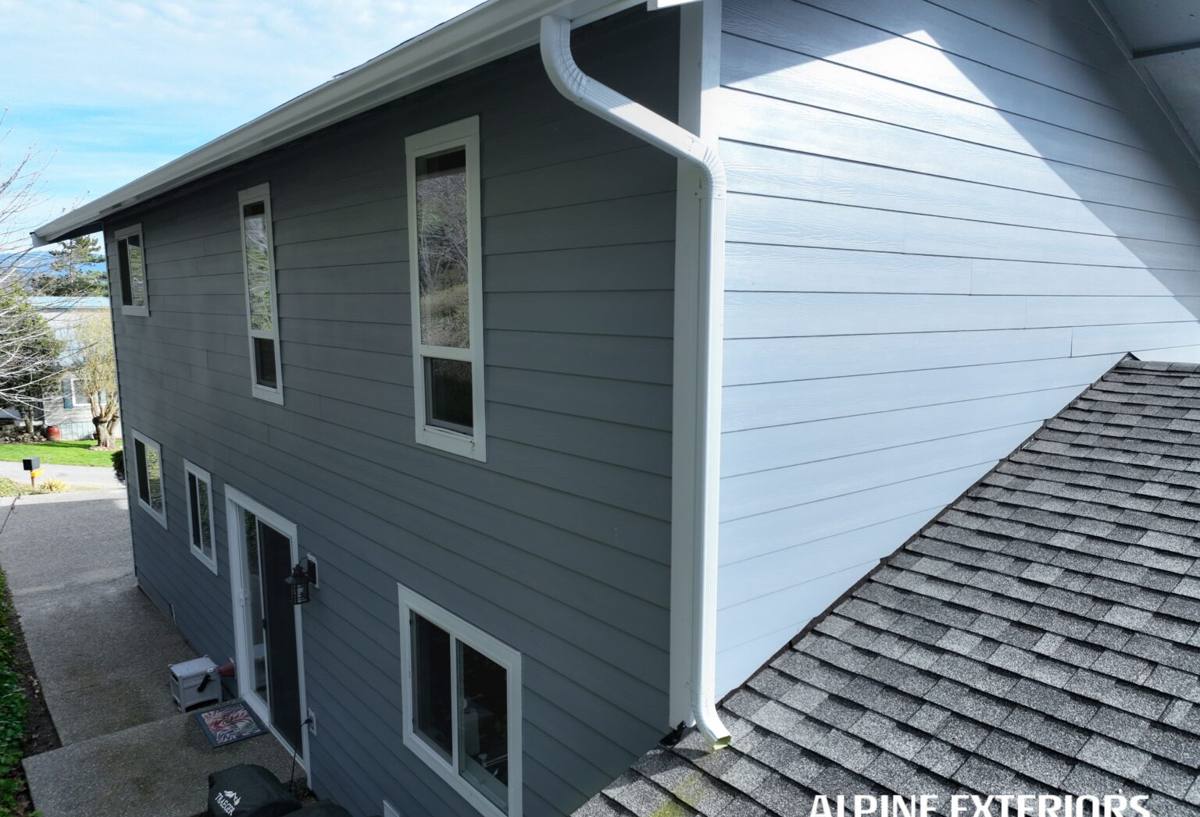
Signs a Sudden Valley Roof Has Reached Replacement Stage
Roof repair makes sense for isolated problems — a cracked pipe boot, a few lifted shingles after a windstorm, a flashing leak at a chimney. Replacement becomes the honest recommendation when the damage is spread across the roof or the underlying materials are compromised, not just the surface.
- Granule loss heavy enough that you can see bare asphalt in multiple spots, not just one worn valley
- Moss that keeps returning within a season or two of cleaning, especially on north-facing or shaded slopes
- Soft or spongy decking when walked, or visible sagging between rafters
- Shingles curling, cupping, or cracking across large sections rather than a single patch area
- Daylight visible through the attic roof deck, or staining on attic sheathing and insulation
- A roof nearing or past the manufacturer's rated lifespan combined with two or more of the issues above
One or two of these items usually means repair is still on the table. Several at once, especially on a roof that's already 18–25 years old, is a sign the materials underneath are past the point where patching makes financial sense.
What a Correct Roof Replacement Actually Involves
A roof replacement is more than swapping old shingles for new ones. Done right, it's a full reset of every layer that keeps water out of the house.
Full Tear-Off, Not an Overlay
We remove the existing roofing down to the deck rather than layering new shingles over old. Overlays trap moisture, hide deck damage, and shorten the life of the new roof — a real problem in a climate where trapped moisture is already the enemy.
Deck Inspection and Repair
Once the old roofing is off, the plywood or OSB deck gets inspected board by board. Any section that's soft, delaminated, or water-stained gets replaced before anything new goes down. Skipping this step is the single most common shortcut that leads to early failure.
Underlayment Suited to Wet Climates
We use synthetic or ice-and-water underlayment at eaves, valleys, and other vulnerable areas rather than the bare minimum. In a region with Whatcom County's rainfall totals, this layer is doing real work, not just satisfying code.
Flashing at Every Penetration
Chimneys, skylights, vent pipes, and roof-to-wall transitions are where most leaks actually start. New step flashing, counter-flashing, and pipe boots go in as part of the job, not as an afterthought.
Ventilation Correction
A lot of older Sudden Valley roofs were built with ventilation that was adequate at the time but doesn't move enough air for how shaded and damp the site is. We check intake and exhaust balance and correct it where the existing setup is contributing to moss growth or attic condensation.
Choosing Materials for a Shaded, Damp Site
Not every roofing product performs the same way under heavy tree cover and lake humidity. The table below reflects the honest trade-offs we walk homeowners through.
| Material | How it handles moss/shade | Maintenance | Typical lifespan here |
|---|---|---|---|
| Standard 3-tab asphalt | More prone to moss buildup; flatter profile holds moisture | Regular moss treatment needed | 15–20 years |
| Architectural (laminate) asphalt | Better runoff and airflow under shingle; still needs moss management in deep shade | Moderate | 20–30 years |
| Metal panel roofing | Sheds moisture fast; moss struggles to establish on smooth metal | Low | 40+ years |
| Cedar shake | Attractive but absorbs moisture and is the most susceptible to moss and rot in shaded, humid settings | High — frequent treatment required | Varies widely with upkeep |
We don't push one product on every homeowner. Architectural asphalt remains the most common choice for good reason — it balances cost, appearance, and performance well even under Sudden Valley's tree cover. Metal earns a serious look for homeowners who want to minimize moss battles long-term and are comfortable with the higher upfront cost. Cedar shake can still be the right call for homeowners set on that look, but we're upfront that it demands more maintenance discipline in this specific microclimate than it would on an open, sunny lot elsewhere in Whatcom County.
Moss: The Problem That Never Fully Goes Away Here
Moss isn't just cosmetic. It holds moisture against the shingle surface, works into granule loss over time, and can lift shingle edges enough for wind-driven rain to get underneath. On a shaded Sudden Valley lot, moss spores are constantly present in the air and on nearby trees, so the goal isn't eliminating moss forever — it's building a roof system that resists it and makes ongoing control manageable.
That starts at replacement. Proper ventilation reduces the damp, still air that moss thrives in. Zinc or copper strips near the ridge, installed during replacement, release trace metals with rain that inhibit moss growth over the shingle field below them. Correct shingle selection and slope also matter more here than on a roof with full sun exposure most of the day.
How Our Process Works on a Sudden Valley Project
Working in Sudden Valley specifically means accounting for a few things a crew unfamiliar with the area might not plan for: narrower access roads in some sections, tree-lined lots that limit staging and material drop areas, and in many cases HOA or architectural guidelines on exterior appearance that need to be checked before materials are ordered.
- On-site inspection of the current roof, deck condition, attic ventilation, and any HOA or covenant requirements that apply to your section of the community
- A written estimate that spells out material options, scope of work, and timeline — no surprise add-ons discovered mid-job
- Scheduling built around Bellingham's weather windows so tear-off and dry-in happen on days with a real chance of staying dry
- Full tear-off, deck repair as needed, new underlayment, flashing, and ventilation correction
- Final walkthrough with the homeowner before we consider the job done
What Drives the Cost of a Roof Replacement Here
Every roof is different, and we'd rather walk your specific roof with you than quote a number sight unseen. That said, these are the factors that generally move the price up or down on a Sudden Valley project:
| Factor | Why it matters here |
|---|---|
| Roof pitch and access | Steeper roofs and tree-obstructed lots take longer and require more safety setup |
| Deck condition | Moisture damage found under old shingles adds material and labor to replace rotten sheathing |
| Material choice | Asphalt, metal, and cedar carry very different material and labor costs |
| Ventilation upgrades | Correcting inadequate intake/exhaust airflow is often needed on older shaded homes |
| Number of penetrations | Chimneys, skylights, and multiple vents each require individual flashing work |
We'll always give you a broad, honest range once we've actually seen the roof, and flag anything — like deck rot or an outdated ventilation setup — before it becomes a change order.
Why Local Experience in Sudden Valley Matters
A roofing crew that has worked other homes in Sudden Valley already knows which slopes tend to hold moss the longest, how the lake humidity affects drying time during the job, and what the neighborhood's access and staging realities look like before they show up. That familiarity translates into fewer surprises, tighter scheduling around weather, and material recommendations based on how roofs actually perform on this specific terrain — not generic advice pulled from a roof twenty miles away in a different microclimate.
We're a Bellingham-based crew that treats Whatcom County's marine climate as the baseline, not the exception, which is exactly the mindset a Sudden Valley roof needs.
After Replacement: Keeping a New Roof Performing
A correctly installed roof still benefits from basic upkeep in this climate, especially in the first few years while the shingles and any moss-inhibiting treatments settle in.
- Clear gutters and downspouts each fall before the heavy rain season, especially on tree-lined lots
- Have moss growth addressed at the first sign of return rather than letting it spread across a full slope
- Trim back overhanging branches to reduce shade, debris buildup, and physical abrasion on the roof surface
- Schedule a periodic visual inspection after major windstorms common to the area
- Keep an eye on attic ventilation performance, particularly if you notice condensation or musty odor
If your Sudden Valley roof is showing its age or you're just not sure whether repair or replacement is the right call, we're happy to take a look. We offer free, no-pressure estimates and will give you a straight answer about what your roof actually needs — use the form below to get started.