 Bellingham Exterior
 Siding Installation in Sunnyland: Built for the Neighborhood's Weather
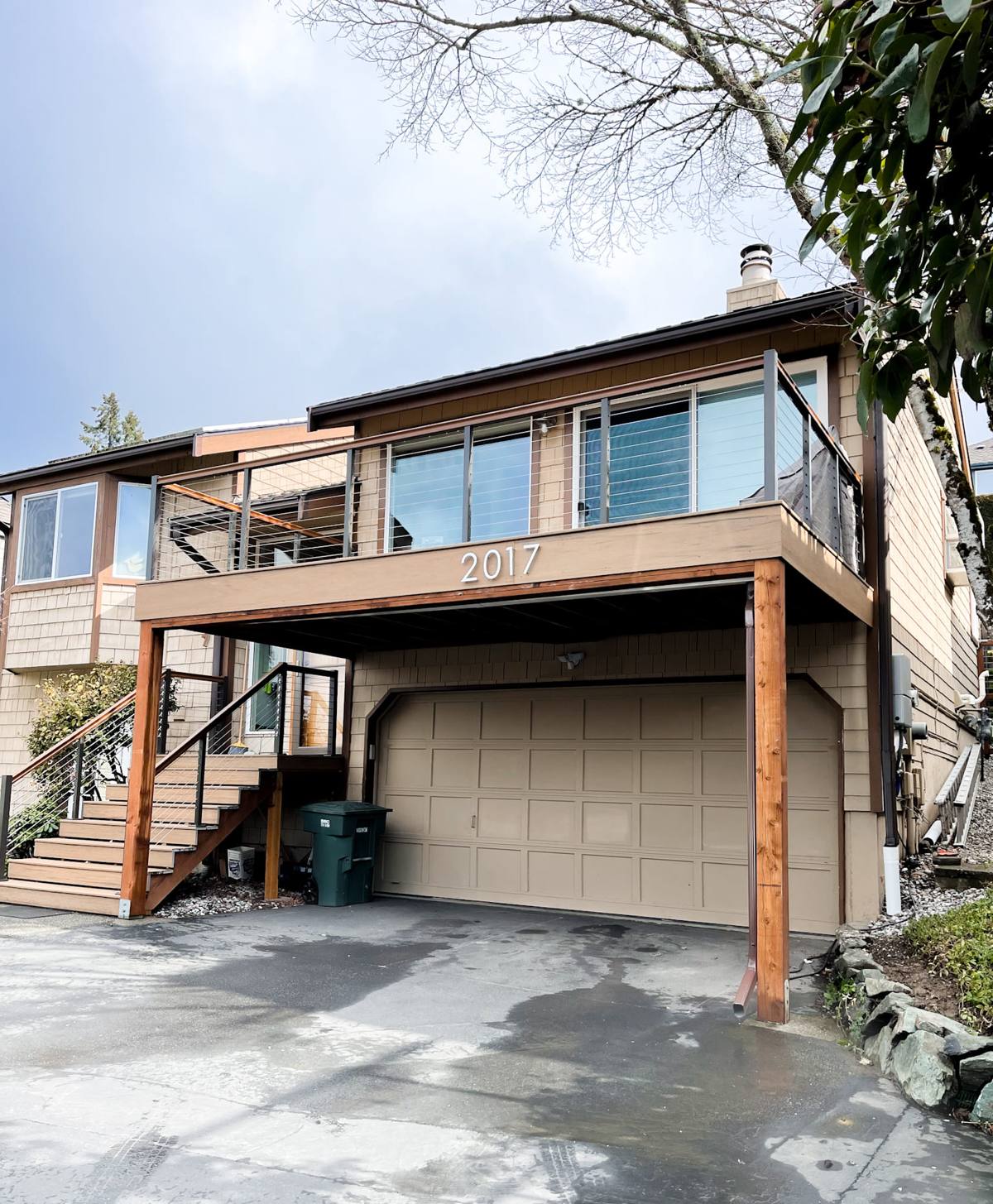
Sunnyland is one of Bellingham's older, tree-covered residential neighborhoods, and that combination — mature trees, close-set lots, and a housing stock that spans decades of construction styles — creates a specific set of demands for exterior siding. A siding job that works fine on a newer, open-lot home on the south side of town won't necessarily hold up the same way on a shaded Sunnyland lot with less airflow and more standing moisture after a storm. Siding installation here isn't just about picking a product and nailing it up; it's about matching the material, the prep work, and the detailing to how this specific pocket of Bellingham actually behaves through a wet year.
We install siding across Whatcom County, and Sunnyland's mix of mid-century homes and newer infill means we're regularly working around older sheathing, uneven wall planes, and trim details that don't match anything off a modern spec sheet. Getting this right takes more than a crew that can hang panels — it takes a crew that has already solved these problems on houses like this one.
Why Sunnyland's Climate Is Hard on Siding
Salt Air and Moisture
Like the rest of the Bellingham area, Sunnyland sits close enough to the water that salt-laden air is a constant, low-level presence. Salt air accelerates corrosion on exposed metal fasteners, flashing, and trim hardware, and it holds moisture against exterior surfaces longer than dry inland air would. Over years, that steady exposure is what turns a small gap in flashing or a poorly sealed joint into a real moisture problem behind the siding.
Driving Rain and Wind-Driven Wetting
Bellingham doesn't just get a lot of rain — it gets a lot of rain pushed sideways by wind coming off the bay and through the valley. Wind-driven rain finds every weak seam, every under-lapped joint, and every fastener that wasn't set at the right depth. Siding that's rated for average rainfall but installed without proper flashing and drainage planes will eventually let water track behind the panels, which is where rot and hidden damage start.
The Long Moss Season
Shaded, tree-lined streets like the ones common in Sunnyland stay damp longer after every rain, and that dampness is exactly what moss and algae need to take hold on siding, trim, and fascia. Moss doesn't just look bad — it holds moisture against the surface it's growing on, which is a problem for wood-based products in particular. A siding material's resistance to sustained damp conditions matters more here than it would on a sunnier, more exposed lot.
What a Correct Siding Installation Actually Involves
The siding itself is only part of the system. Most siding failures we get called out to inspect in Bellingham and Whatcom County trace back to installation shortcuts, not the material choice. A correct installation includes:
Weather-Resistive Barrier and Flashing
A continuous, properly lapped weather-resistive barrier goes on before any siding, with flashing integrated at every window, door, deck ledger, and penetration so water is directed out and down, never behind the wall assembly.
Fastening and Clearances
Fasteners need to be the right type, length, and spacing for the specific siding product, driven to the manufacturer's depth — not too proud, not overdriven. Siding also needs proper clearance from grade, roofing, and decks so it isn't sitting in standing water or trapped moisture.
Trim and Joint Detailing
Butt joints, corners, and trim transitions are where most leaks start. Each joint needs to be back-primed or factory-sealed as specified, caulked appropriately, and detailed so water sheds away from the seam instead of collecting in it.
Skipping any one of these steps can look fine for a year or two and still lead to expensive hidden damage later — which is exactly why we don't treat installation as an afterthought to the material choice.
Why We Install Only James Hardie Fiber Cement
We install James Hardie fiber cement siding exclusively, and we don't install vinyl, LP SmartSide, cedar, primed spruce, or other fiber cement brands. That's a deliberate standard, not a limitation. James Hardie's fiber cement is non-combustible, holds up to sustained damp conditions better than wood-based or engineered-wood products, and comes with a factory-applied ColorPlus finish that resists the fading and chalking that painted or stained siding deals with in a wet, low-sun climate like ours.
Just as important for a neighborhood like Sunnyland, James Hardie makes climate-engineered HZ product lines — including versions specifically formulated for the wetter conditions of the Pacific Northwest — which is directly relevant given the salt air and extended damp periods this area sees. The product also carries a strong, transferable limited warranty, which matters to homeowners who may sell within the warranty period. None of that replaces good installation, but it does mean we're not spending our labor and our reputation on a product with known long-term maintenance trade-offs.
Our Siding Installation Process
- On-site assessment. We inspect the existing siding, sheathing, and trim to identify moisture damage, rot, or ventilation issues before quoting anything.
- Tear-off and substrate check. Old siding comes off and we inspect the sheathing underneath — this is the point where hidden water damage from years of wind-driven rain typically shows up.
- Repair and prep. Any damaged sheathing or framing is repaired before anything new goes on. Installing new siding over a compromised substrate just hides a problem, it doesn't fix it.
- Weather-resistive barrier and flashing. A continuous barrier is installed and integrated with flashing at every opening and penetration.
- James Hardie installation. Panels or planks are installed to manufacturer spec — correct fastener type, spacing, depth, and clearances from grade and roofing.
- Joint, corner, and trim detailing. Every seam is finished to shed water, not collect it.
- Final walkthrough. We review the completed job with the homeowner and point out anything they should watch for going forward.
Siding Materials Compared for Sunnyland's Conditions
| Material | Moisture and Moss Resistance | Salt Air Durability | Fire Resistance | Typical Maintenance |
|---|---|---|---|---|
| James Hardie Fiber Cement | High — engineered HZ lines for wet climates | Strong, non-corrosive material | Non-combustible | Occasional wash; factory finish resists fading |
| Vinyl Siding | Moderate — can trap moisture behind panels | Can become brittle over time | Combustible, can warp near heat sources | Low, but prone to cracking and fading |
| LP SmartSide / Engineered Wood | Vulnerable if seams or edges aren't sealed | Requires diligent sealing and upkeep | Combustible | Regular inspection of joints and edges |
| Cedar / Primed Wood | Absorbs moisture; needs regular refinishing | Susceptible to salt-accelerated weathering | Combustible | Frequent painting/staining and moss treatment |
Signs Your Sunnyland Home's Siding Needs Attention
- Soft or spongy spots when you press on the siding, especially near the bottom courses
- Persistent moss or algae growth that returns soon after cleaning
- Peeling, bubbling, or chalking paint on painted siding surfaces
- Visible gaps or separation at butt joints, corners, or trim
- Warping, buckling, or panels that no longer sit flat against the wall
- Rust streaking from fasteners or metal flashing
- Rising energy bills that suggest air or moisture is getting past the exterior wall
- Interior wall staining or musty smells on exterior-facing rooms
What Affects the Cost of a Siding Installation
Every Sunnyland home is different, so we don't quote off square footage alone. The main cost factors are the condition of the existing sheathing (repairs add labor and material), the complexity of the home's trim and roofline, how much of the old siding needs to be removed and disposed of, and which James Hardie profile and finish is chosen. A straightforward tear-off and reside costs less than a job where we find rot or framing damage that needs to be addressed first — which is exactly why the sheathing inspection happens before, not after, we give a firm number.
Why Hiring a Crew That Already Works Sunnyland Matters
A contractor who's already worked on Sunnyland's tree-shaded lots knows where moisture tends to collect on this style of home, how the older housing stock in this part of Bellingham was typically built, and what permitting and inspection process to expect from the city. That local familiarity shortens the guesswork — we're not learning the neighborhood's quirks on your project. It also means we're accountable locally: we're not a crew that installs and disappears out of the county.
If you're weighing your options for a siding project in Sunnyland, we're happy to take a look and give you a straightforward, no-pressure estimate — no obligation, just an honest read on what your home actually needs. Use the form below to get started.