 Bellingham Exterior
 Window Installation in Sudden Valley: A Job That Lives or Dies on the Flashing
Sudden Valley is a private, heavily wooded community on the south shore of Lake Whatcom, and the tree canopy that makes it such a quiet, shaded place to live is also exactly what makes window installation here different from a typical in-town job. Walls tucked under second-growth forest stay damp longer after every rain than a wall out in the open ever would, and that changes what "correct installation" actually requires. A window unit is only part of the equation. The flashing and integration work around it is what decides whether that window stays dry for thirty years or starts leaking within a handful of wet seasons.
We install and replace windows for homes throughout Sudden Valley and the rest of Whatcom County, and on this specific stretch of the lake we treat flashing detail as the whole job, not an afterthought behind the window brand. This page covers what Sudden Valley's climate actually does to windows over time, what a correct installation involves, and why hiring a crew that already works this particular community — private roads, HOA, and all — makes a real difference in the outcome.
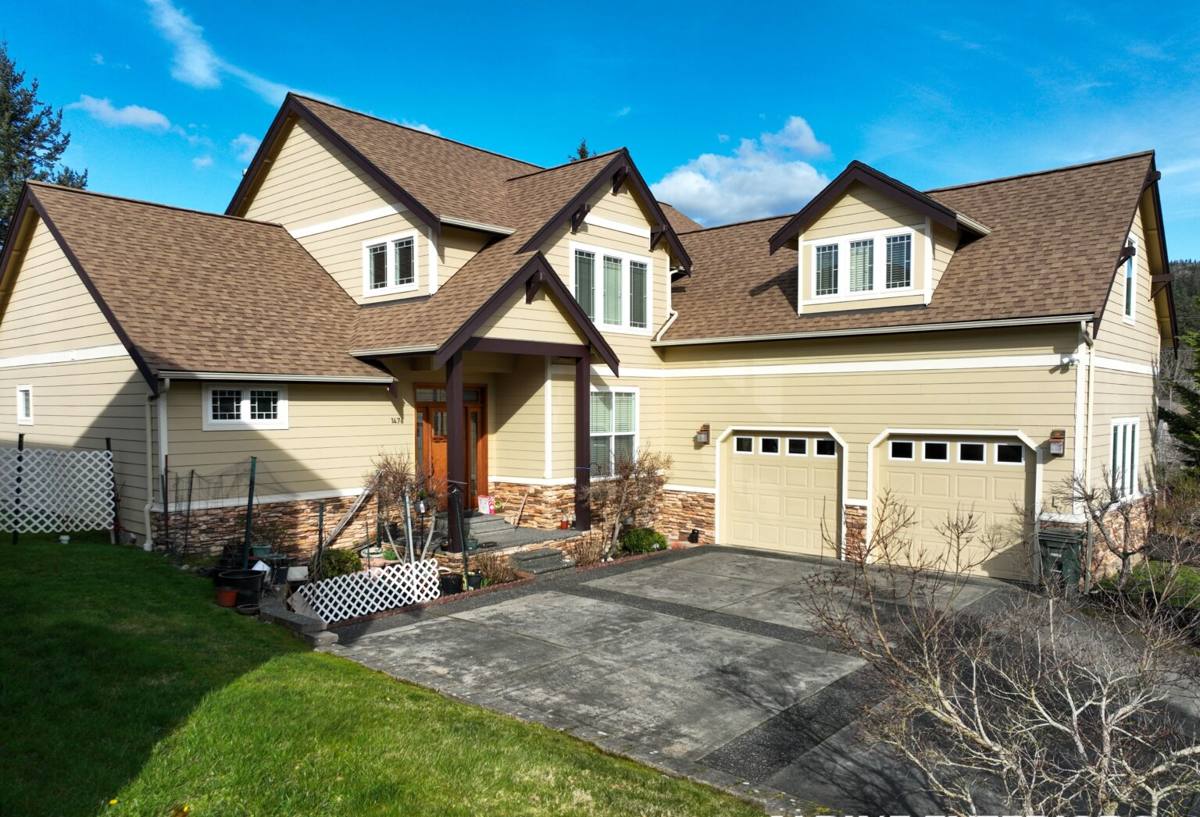
What This Climate Does to Windows in Sudden Valley
Heavy Tree Canopy and Slow Drying
Most lots in Sudden Valley sit under significant tree cover, and it's common for a home to have one or more walls that see very little direct sun for most of the year. That matters for windows specifically because shaded openings stay wet longer after every storm, and prolonged dampness is exactly the condition that finds any weak point in a flashing system. A window with a small flashing gap on a sun-exposed wall might dry out before it causes a problem. The same gap on a shaded Sudden Valley wall often doesn't get that chance.
Driving Rain That Hits Every Elevation Differently
Sudden Valley's terrain is hilly, with homes sitting at a range of elevations and orientations relative to the lake and the surrounding ridgelines. That means wind-driven rain doesn't hit every wall of the same house with equal force — one elevation might take the brunt of prevailing weather while another stays relatively sheltered. Window flashing needs to be built to the exposure of each individual opening, not applied uniformly on the assumption that every wall faces the same conditions.
A Long Moss and Mildew Season
Shade, humidity off the lake, and Whatcom County's mild temperatures combine to keep moss and mildew active for most of the year in Sudden Valley. Window sills, trim, and the framing around older units are common places it takes hold, especially anywhere water isn't draining cleanly away from the frame. Once organic growth establishes itself on window trim, it holds moisture against the wood or composite material underneath and speeds up the deterioration that eventually shows up as soft or discolored sills.
Condensation From Sharp Temperature Swings
Cold, damp exteriors against heated interiors during Whatcom County's winter push condensation onto glass and frames, and older single-pane or early double-pane windows show this constantly — fogging, water pooling on interior sills, or moisture visibly trapped between panes. That last one is a sign the seal between the panes has failed, not a cosmetic issue that will resolve on its own.
Signs a Sudden Valley Home Needs New or Replacement Windows
- Fogging or visible moisture trapped between the panes of a double-pane window
- Sills or trim that feel soft, look discolored, or show visible rot or persistent moss growth
- Noticeable drafts or cold spots near the frame even when the window is fully closed and locked
- Windows that stick, won't stay open, or are difficult to lock the way they used to
- Visible daylight or gaps where the window frame meets the surrounding siding or trim
- Interior water staining on the wall or ceiling near a window after a heavy or extended rain
Replacement Windows vs. New Openings: Getting the Distinction Right
Not every window job in Sudden Valley is the same kind of work, and getting the category right up front affects both the installation method and the outcome. A replacement or insert window is built to fit into an existing, already-finished opening without disturbing the surrounding siding — it relies on careful sealing at the perimeter of the old frame rather than a full flashing rebuild. A new-construction or full-frame installation, on the other hand, removes the opening down to the rough framing and rebuilds the flashing and drainage plane from scratch, integrating it with the housewrap and siding around it.
On a shaded, moisture-heavy property like a typical Sudden Valley lot, we'll walk you through which approach makes sense for each window individually. A sound frame with intact surrounding flashing is often a good insert-replacement candidate. A frame with rotted framing underneath it, or flashing that was never built correctly in the first place, usually calls for a full-frame installation — patching around a bad flashing detail just carries the same problem forward into the next window.
What a Correct Window Installation Involves
We spend more time with Sudden Valley homeowners talking about flashing and drainage than we do about window brands, because in this climate that's the detail that actually determines how long the installation lasts.
- Sill pan flashing: A properly formed and pitched sill pan goes in first, directing any water that reaches it outward and away from the framing instead of letting it pool under the frame.
- Correct shingle-lap sequence: Flashing tape and the weather-resistive barrier are integrated in the right order — sill first, then jambs, then head flashing lapped over the top — so water draining down the wall never gets trapped behind the window.
- Head flashing or drip cap: A head flashing above the window sheds water outward before it can run down behind the top of the frame, which matters more on Sudden Valley's more exposed elevations where wind-driven rain hits hardest.
- Caulk as a supplement, not a substitute: Caulk seals the visible surface, but it isn't a substitute for a properly lapped flashing system underneath. Caulk alone cracks and breaks down over time; flashing is what actually keeps water out of the wall.
- Interior air sealing: The gap between the frame and the rough opening gets sealed and insulated from the inside without trapping moisture against the framing, which keeps the window performing efficiently without creating a hidden damp spot.
On repair and replacement calls throughout Sudden Valley, the water damage we find almost never traces back to the window unit itself failing — it traces back to flashing that was never lapped correctly, or caulk that was relied on as the only barrier. That pattern shows up more here than in drier, more open parts of Whatcom County simply because shaded walls never get a full day of sun to dry out and expose a small problem before it becomes a bigger one.
Choosing Windows for a Shaded, Lakeside Property
Frame material matters less than correct installation, but it's still worth choosing deliberately for a property with Sudden Valley's specific combination of shade and humidity.
| Frame Material | Moisture Behavior | Maintenance Under Heavy Shade | Realistic Lifespan Here |
|---|---|---|---|
| Vinyl | Won't rot; performs well when flashing and installation are correct | Low; occasional track and weep-hole cleaning to keep drainage clear | 20-30 years |
| Fiberglass | Dimensionally stable, resists moisture and temperature swings well | Low | 30-40+ years |
| Wood, clad exterior | Clad exterior protects the wood core from direct weather, but any gap in the cladding invites moisture in a shaded wall | Moderate; interior finish upkeep, and exterior cladding needs to stay intact | 20-30+ years depending on cladding condition |
| Aluminum | Conducts cold and is more prone to condensation on interior surfaces in a damp climate | Moderate | 20-30 years |
We install vinyl and fiberglass systems for most Sudden Valley homes because they hold up well against the sustained dampness this property type sees without depending on a painted or clad surface to keep water out. Where a clad-wood window is the right architectural fit, we'll go over exactly what that means for long-term upkeep on a shaded wall, rather than letting the appearance decision hide the maintenance trade-off.
Why a Crew That Already Works Sudden Valley Matters
Sudden Valley is a private community with its own internal road network and a homeowners association, and a contractor who regularly works here already understands the practical side of that — how to schedule around community access, and how much the shade and exposure change from one lot to the next even within the same development. That familiarity shows up directly in the installation itself: knowing which elevations on a given lot need extra attention to head flashing because they catch more wind-driven rain, recognizing early which sills are already showing the first signs of moss or soft wood, and building drainage detailing for walls that may not see direct sun for weeks at a stretch. A crew unfamiliar with this specific microclimate might install a window correctly by a generic standard and still leave it under-protected for what Sudden Valley actually throws at it.
Our Process
- On-site assessment: We look at every window being considered for work, checking frame condition, seal integrity, hardware function, and how the existing flashing ties into the siding around each opening.
- Repair, replace, or full-frame recommendation: We give a straightforward, window-by-window read on which units are reasonable candidates for insert replacement and which need a full-frame rebuild, rather than a blanket answer applied to the whole house.
- Written scope and timeline: You get a clear scope of work and realistic timeline before anything is ordered or any work begins, including expected lead time on window orders.
- Installation with full flashing detail: Sill pan, jamb, and head flashing are built and integrated with the surrounding wall on every opening — standard practice on every job, not an upgrade you have to ask for.
- Final walkthrough: We check operation, hardware, and visible seals on every window before calling the job complete.
Before You Hire: A Quick Checklist
- Ask how they handle flashing integration at the sill, jambs, and head — not just which window brand they sell
- Confirm current Washington contractor licensing and active liability insurance
- Ask for a written scope that separates the manufacturer's product warranty from the installation warranty
- Get a window-by-window repair-or-replace recommendation rather than one answer applied to the whole house
- Ask about experience working within HOA or private-road communities, including access and scheduling
- Ask realistic lead times — custom-sized window orders for this region can run several weeks
If you're dealing with drafty, foggy, or stubborn windows on a Sudden Valley property, or you're planning ahead for a full window replacement, we're happy to take a look and give you a straightforward, no-pressure read on what your home actually needs. Reach out below for a free estimate.