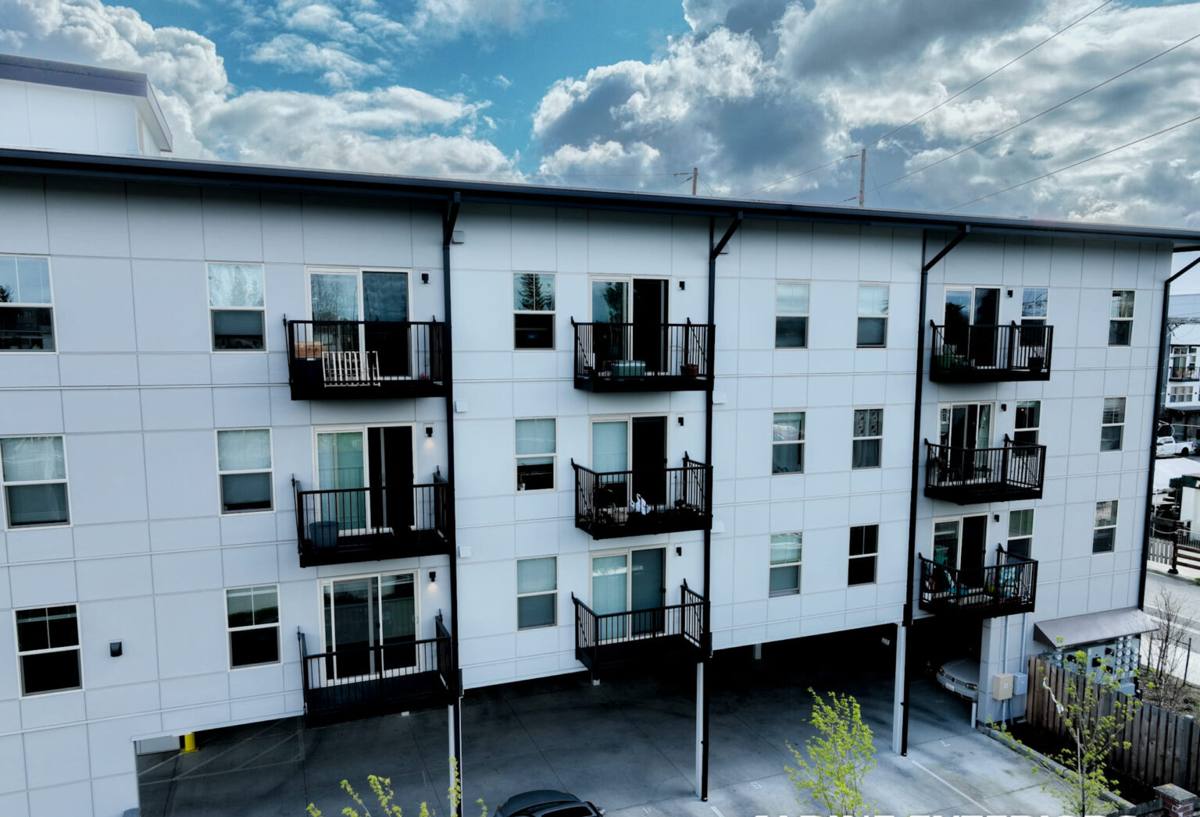
 Bellingham Exterior
 Building New in York? The Windows Need to Be Right the First Time
York is one of Bellingham's older, established neighborhoods, but that doesn't mean new construction has stopped happening here. Infill builds, teardown-rebuilds, additions with new window openings, and the occasional ground-up new home all come with the same requirement: the windows have to be installed correctly during framing, before siding, trim, and interior finishes cover up the details that determine whether they'll perform for the next 30-plus years.
New-construction window work is a different job than swapping out an old window in an existing wall. There's no old flashing to work around and no guesswork about what's hidden behind the siding — but there's also no room to fix it later without tearing into finished work. Get the flashing, the sill pan, and the weather-resistive barrier integration right at the framing stage, and the window will shed water for decades. Get it wrong, and the first sign of trouble is usually a stain on drywall two or three winters later, long after the crew that installed it has moved on.
Why Bellingham's Climate Doesn't Forgive Shortcuts
Whatcom County weather is hard on window openings in ways that don't show up in a sunnier climate. Salt-laden air off Bellingham Bay accelerates corrosion on fasteners, hinges, and screen hardware over time. Driving rain — wind-driven rather than straight-down — pushes water sideways into gaps that would stay dry in a calmer climate, which is exactly why sill pan flashing and proper head flashing laps matter so much here. And a long, damp moss season means anything that traps moisture against wood trim or sill material gets a running start on rot and algae growth well before summer ever dries things out.
None of this means a new-construction window in York is doomed to fail — it means the install has to account for these conditions from the start rather than relying on caulk to make up for a shortcut later. A correctly flashed, properly drained window opening handles Bellingham's climate without drama. A rushed one turns every wet winter into a slow-motion problem.
What This Looks Like in Practice
On a York job, that translates into a few non-negotiables: sloped sill pans that direct any water that gets past the window back outside instead of into the framing, weather-resistive barrier laps that shingle correctly (upper layers over lower layers, always), and head flashing that extends past the window trim on both sides. It also means choosing window materials and hardware finishes that won't corrode or swell prematurely given the salt air and moisture exposure typical of this area.
Choosing the Right Window Material for This Climate
New construction gives you a real choice of frame material, since you're not constrained by an existing opening. Each option has a different maintenance and moisture profile, which matters more here than in a drier climate.
| Material | How It Handles Bellingham's Climate | Trade-Offs |
|---|---|---|
| Vinyl | Won't rot or corrode; handles moisture well; consistent performance in damp conditions | Can expand/contract with temperature swings; limited color and shape options |
| Fiberglass | Very stable in wet, temperature-variable climates; low maintenance; strong moisture resistance | Higher upfront cost than vinyl |
| Wood-clad (exterior clad, wood interior) | Warm interior look; clad exterior resists weather if detailed correctly | Any gap in the cladding or flashing exposes wood to Bellingham's moisture; higher maintenance sensitivity |
| Aluminum | Strong and slim sightlines | Prone to condensation and, near the bay, more susceptible to corrosion without proper finishes |
We don't push one brand or one material as the only right answer for every York project — the right call depends on the home's design, the budget, and how much long-term maintenance the homeowner wants to take on. What we won't do is install a beautiful window with the wrong hardware finish for salt-air exposure or skip the detailing that protects wood-clad units from moisture intrusion — that's a callback waiting to happen, and it's not a corner we cut regardless of what's being installed.
What a Correct New-Construction Install Actually Involves
1. Rough Opening Preparation
The opening has to be sized, squared, and plumb before the window ever shows up. We check this against the manufacturer's rough opening specs rather than assuming the framing crew hit the numbers exactly — small discrepancies here cause big problems later.
2. Sill Pan Flashing
A sloped, sealed sill pan is the single most important detail in a new-construction window install in a climate like ours. It's the last line of defense if wind-driven rain ever gets past the window itself, directing that water back outside instead of into the wall cavity.
3. Weather-Resistive Barrier Integration
The house wrap or building paper has to be sequenced correctly around the window — flashing tape and WRB laps installed shingle-style so water always moves down and out, never into a seam. This is the detail most likely to get rushed on a tight framing schedule, and it's the one that causes the most damage when it's missed.
4. Head Flashing and Drip Caps
Extended head flashing directs water running down the wall away from the top of the window rather than letting it pool at the trim line — important given how much sustained rain this area gets over a typical winter.
5. Fastening and Shimming
Windows get shimmed at the manufacturer's specified points and fastened per their installation instructions — not just nailed wherever framing happens to line up. Improper shimming is a common cause of windows that won't operate smoothly a few years in.
6. Interior and Exterior Sealing
Low-expansion foam or backer rod and sealant at the right locations — never foam as a substitute for proper flashing, and never sealant as a substitute for a sill pan.
Code, Energy Performance, and Egress in a New Build
New construction windows in Washington have to meet the Washington State Energy Code's performance requirements, which set minimum standards for U-factor and solar heat gain coefficient based on window-to-wall area and how the home's overall energy compliance path is calculated. Bedroom windows also have to meet egress requirements — minimum clear opening width, height, and area, plus a maximum sill height above the finished floor — which affects which window styles and sizes are appropriate for sleeping rooms. Getting these numbers right at the design stage avoids a change order mid-framing, which is far more disruptive than sorting it out on paper first.
We coordinate with your general contractor or work directly with homeowners managing their own build to confirm window specs match what's been submitted for permit before anything is ordered, so there's no mismatch discovered during inspection.
How We Work With Your Builder or Build Timeline
Most new-construction window work in York happens as part of a larger build, which means our schedule has to fit around framing, roofing, and the WRB installation rather than standing alone. Our process typically looks like this:
- Review plans and rough opening details before the windows are ordered, to catch sizing or egress issues early
- Coordinate delivery and install timing with the framing and roofing schedule so windows go in at the right stage — not too early, not after the WRB is already closed up wrong
- Install sill pans and flashing in sequence with the weather-resistive barrier, working directly with whoever is installing the house wrap if that's a separate trade
- Confirm rough opening squareness and level before setting each window
- Walk the finished install with the builder or homeowner before siding closes up the details
Because we're not the general contractor, clear communication with whoever is running the job matters — we'd rather ask a question about sequencing than guess and have to redo flashing after siding is already on.
Mistakes We See on New-Construction Jobs
Most of the window problems we get called to diagnose in existing homes trace back to the original new-construction install, not the window itself. The recurring issues are consistent: missing or improperly sloped sill pans, WRB laps installed backward or taped in the wrong order, head flashing that stops short instead of extending past the trim, and windows fastened without proper shimming so they bind or won't latch cleanly. Every one of these is invisible once siding and trim go on — which is exactly why getting it right the first time matters more here than almost any other part of a home's exterior.
Why Hiring a Crew That Already Works in York Matters
York's mix of older homes, infill builds, and additions means every new-construction window job here has its own quirks — matching new openings to an existing home's style, working within a smaller in-city lot, coordinating with the same building department and inspectors project after project. A crew that regularly works this neighborhood and greater Bellingham already understands City of Bellingham inspection expectations, knows how Whatcom County's rain and moss season actually behaves against a wall over several seasons rather than in theory, and has already made — and corrected — the mistakes that show up on a first attempt. That familiarity shows up in fewer surprises during inspection and a window install that's still performing well after the framing crew and the finish carpenters are long gone.
If you're planning new construction, an addition, or new window openings on a York property, we're happy to take a look at your plans and talk through window selection and installation details before anything is ordered. Reach out for a free, no-pressure estimate — there's no obligation, and it's easier to get this right before framing than after.