 Bellingham Exterior
 Asphalt Shingle Roofing Built for Lynden's Climate
Lynden sits inland from Bellingham Bay, out in the Nooksack River valley near the Canadian border, and that location shapes what a roof here has to deal with. It's not the same exposure as a waterfront home in Bellingham proper — direct salt air is a smaller factor this far inland — but Lynden still sits under the same wet, marine-influenced weather pattern that defines Whatcom County. Long stretches of steady, driving rain from fall through spring, heavy morning dew off the farmland and river bottom, and a moss season that can run most of the year on shaded, north-facing slopes. An asphalt shingle roof that's installed correctly for this climate will handle it for decades. One that's installed with shortcuts — thin underlayment, poor ventilation, no attention to valleys and eaves — will show problems years before it should.
This page covers what an asphalt shingle roof needs to hold up in Lynden specifically, what a correct installation actually involves, and how we approach the job.
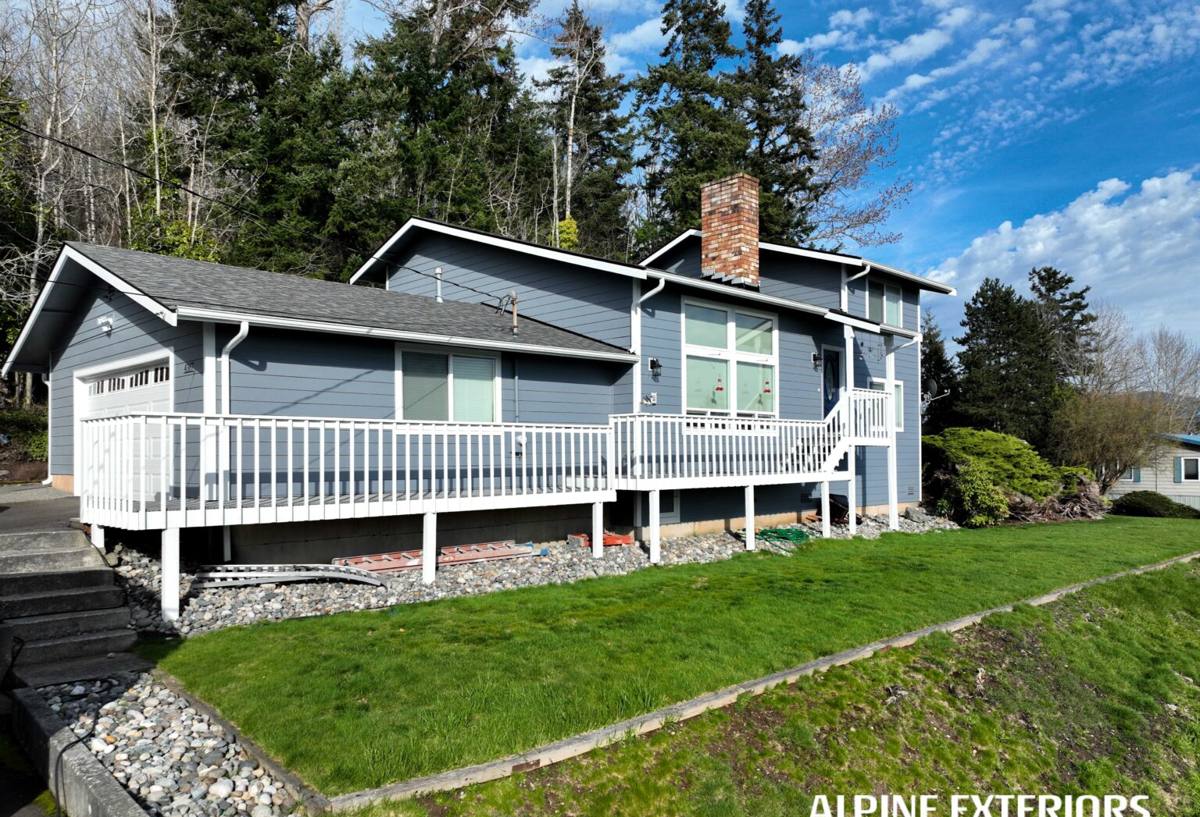
What Lynden's Weather Actually Does to a Shingle Roof
Three things drive most of the roofing problems we see on Lynden homes:
- Sustained rain, not just rain events. Whatcom County gets long soaking periods rather than short heavy downpours. That means water sits on a roof longer, has more time to find any weak seam, and puts more pressure on flashing at valleys, chimneys, and roof-to-wall transitions.
- Moss and organic growth. Lynden's mix of tree cover, farmland moisture, and shaded roof slopes creates ideal conditions for moss, lichen, and algae streaking. Moss isn't just cosmetic — it holds moisture against the shingle surface and can work its way under shingle edges over time.
- Temperature swings and freeze-thaw. Winters here aren't brutally cold, but Lynden does see more frost and occasional hard freezes than the immediate coastline. Water that's soaked into a compromised shingle or underlayment layer and then freezes can expand and accelerate cracking.
None of this means asphalt shingles are a poor fit for Lynden — they're the most common roofing material here for good reason: cost-effective, proven, and easy to repair in sections. It means the installation details matter more here than they would in a dry climate, and skipping them is where roofs fail early.
What a Correct Installation Looks Like Here
Underlayment and Ice/Water Protection
In a climate with this much sustained moisture, the underlayment layer underneath the shingles is doing more work than people realize. We use synthetic underlayment rated for the exposure, and we install self-adhering ice-and-water membrane at eaves, valleys, and around every roof penetration — chimneys, vents, skylights — since these are the spots where water backs up or concentrates during long rain events.
Ventilation
A shingle roof needs balanced intake and exhaust ventilation to let moisture escape from the attic space. Without it, humid air condenses against the roof deck from underneath, which rots sheathing and shortens shingle life from the inside out — a problem that has nothing to do with the shingles themselves but gets blamed on them anyway. We check and correct ventilation as part of every re-roof, not as an upsell.
Fastening and Wind Exposure
Lynden gets exposed to wind funneling through the river valley, more so than some more sheltered parts of Bellingham. We nail to manufacturer specification (not staple, not under-nail) and pay attention to starter strip and ridge cap installation, since these are the spots most likely to lift in a wind event if they're rushed.
Flashing
Step flashing at walls, counter-flashing at chimneys, and proper valley metal or woven valley technique — these are the details that separate a roof that leaks in year three from one that doesn't leak in year twenty. Flashing failure, not shingle failure, is the most common cause of roof leaks we find on service calls.
Signs a Lynden Roof Needs Attention
Because problems here tend to build slowly through moisture exposure rather than show up as sudden storm damage, it helps to know what to watch for:
- Dark streaking or thickening moss patches, especially on north-facing slopes or under tree cover
- Granules collecting in gutters or at downspout outlets
- Shingles that look cupped, curled at the edges, or have lost their flat profile
- Soft or spongy spots when walking the roof (a sign of deck moisture damage)
- Daylight or water staining visible in the attic near roof penetrations
- Granule loss showing bald, shiny patches on the shingle surface
Any one of these is worth a look before it turns into an interior repair. Roofs rarely fail all at once — they show these signs first.
Choosing a Shingle for This Climate
Not every asphalt shingle product is built the same way, and the differences matter more in a wet climate than a dry one. Here's how the common categories compare for a Lynden home:
| Shingle Type | Typical Lifespan | Best For | Trade-Offs |
|---|---|---|---|
| 3-tab | 15-20 years | Budget re-roofs, simple roof lines | Lower wind rating, less algae resistance, thinner profile shows wear sooner |
| Architectural / dimensional | 25-30+ years | Most Lynden homes | Higher upfront cost, but better wind rating and moisture resistance justify it here |
| Algae-resistant (AR) versions | Same as base product | Shaded, tree-covered, or north-facing roofs | Slightly higher cost; reduces staining but doesn't eliminate need for moss maintenance |
| Class 4 impact-rated | 25-30+ years | Homes wanting maximum durability | Higher material cost; sometimes qualifies for insurance discounts, worth asking your carrier |
For most Lynden homes, we steer people toward a mid-to-upper-tier architectural shingle with algae resistance built in. The added cost over a basic 3-tab is modest relative to the total job, and it's the single change that does the most to slow moss growth and hold color over the roof's life. We'll walk through the specific product lines available at the time of your estimate rather than lock this page to names that change from one season to the next.
Our Process
- On-site inspection. We walk the roof (not just look from the ground), check the attic for ventilation and moisture signs, and assess deck condition.
- Written estimate. Scope, materials, and pricing spelled out before any work starts — no verbal-only agreements.
- Tear-off and deck check. Full removal of old roofing so we can see and repair any damaged sheathing rather than roofing over a problem.
- Underlayment and ice/water membrane. Installed to spec at eaves, valleys, and penetrations.
- Ventilation correction. Intake and exhaust brought into balance if the existing setup falls short.
- Shingle installation. Manufacturer-spec nailing, proper starter and ridge detail, correct flashing at every transition.
- Cleanup and magnetic sweep. Job site and yard cleared of debris and nails before we consider the job done.
Ongoing Moss and Debris Management
A well-installed shingle roof still needs periodic upkeep in a climate like this. Lynden's mix of mature trees, farmland moisture, and long wet seasons means moss and organic debris will return over time even on a new roof — that's a fact of the climate, not a sign of bad workmanship. We recommend a periodic moss treatment and gentle debris clearing (never high-pressure washing, which strips granules and shortens shingle life) as part of normal roof maintenance, along with keeping gutters clear so water isn't backing up under the eaves during heavy rain.
Cost Factors for a Lynden Re-Roof
| Factor | How It Affects Cost |
|---|---|
| Roof size and pitch | Larger and steeper roofs need more material and labor time |
| Number of layers to remove | Tear-off of multiple existing layers adds disposal and labor cost |
| Deck condition | Rotted sheathing found during tear-off requires repair before new roofing goes on |
| Shingle tier chosen | 3-tab vs. architectural vs. impact-rated changes material cost per square |
| Roof complexity | Valleys, dormers, skylights, and chimneys each add flashing detail and time |
| Access | Steep grades, long driveways, or tight lot access can affect equipment and staging |
We don't quote a number on this page because every roof is different — but we do give a straightforward, itemized estimate on-site, and we'll explain exactly what's driving the price rather than handing over a lump sum.
Why Hire a Crew That Already Works in Lynden
A contractor who works Whatcom County regularly already knows how this climate behaves on a roof over time — which slopes moss first, how much ice-and-water protection a valley really needs here versus a drier region, and what a properly ventilated attic should look like on a local build. That local pattern recognition matters more for a roof than it does for most other exterior work, because roofing problems are slow-building and easy to miss until they're expensive. A crew that's local to the area is also easier to reach for a warranty question or a follow-up inspection years down the line, rather than a company that moved on to the next region after the job was done.
A Few Things Worth Checking Before You Hire Anyone
- Current Washington contractor license and liability insurance
- A written estimate that itemizes materials, not just a total price
- Clear explanation of underlayment and ventilation plans, not just shingle brand
- Willingness to walk the roof and attic with you, not just estimate from the driveway
- A real local address or service history in Whatcom County
If your Lynden roof is showing moss buildup, granule loss, or you're just planning ahead for a re-roof, we're happy to take a look and give you a straightforward, no-pressure estimate — use the form below to get started.