 Bellingham Exterior
 Siding That Has to Earn Its Keep in Barkley
Barkley sits close enough to Bellingham Bay and the surrounding wetlands that its exterior siding takes on a different job than siding installed twenty miles inland. Between the moisture rolling off the water, the rain that Whatcom County sees most months of the year, and the shade cover from mature landscaping common in this part of Bellingham, siding here is under near-constant low-grade stress. It rarely gets a real drying-out period. That single fact shapes almost every recommendation we make for homes in this neighborhood, from the material we install to how we detail it around windows and trim.
This page focuses on one service for one area: James Hardie fiber cement siding installation for Barkley homes. We're not going to give you a generic siding overview — we want to walk through what this climate actually does to exterior walls here, what a correctly installed fiber cement system needs to hold up against it, and how our process is built around those specifics rather than a one-size-fits-all install.
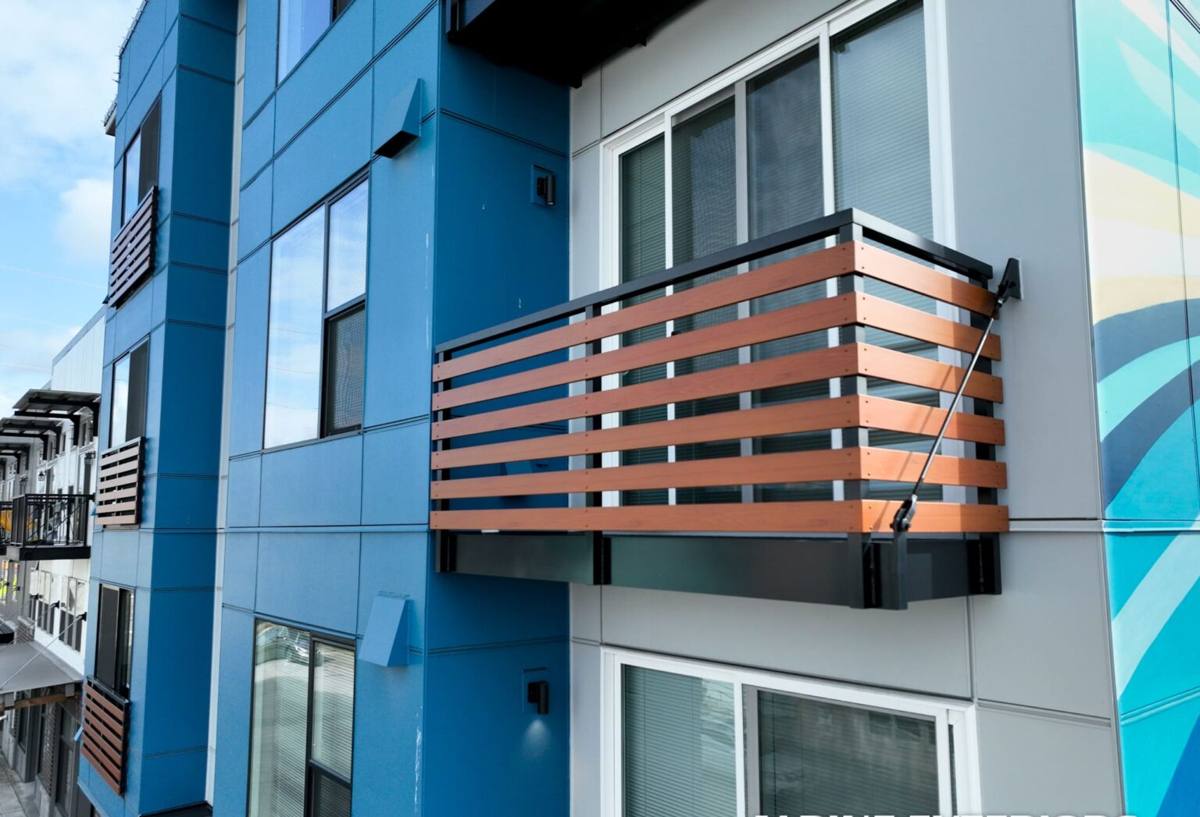
What Bellingham's Climate Does to Siding Over Time
Salt Air and Moisture Load
Homes within a few miles of Bellingham Bay deal with airborne salt and moisture that accelerates corrosion on unprotected metal fasteners, trim flashing, and any wood that isn't fully sealed. It also keeps humidity levels around the exterior wall assembly higher than homes further from the water, which matters more for siding performance than most homeowners realize — a siding product's real test isn't a single storm, it's thousands of freeze-thaw and wet-dry cycles over the decades it's expected to last.
Driving Rain and Wind-Driven Water
Whatcom County doesn't just get rain — it gets sideways rain, pushed by wind off the Strait, that finds every gap in a wall assembly that isn't properly flashed and lapped. Siding that relies on caulk alone to keep water out, rather than correct overlap, drainage, and a functioning weather-resistive barrier behind it, tends to show problems first at windows, corners, and butt joints. That's true of any siding material, but it's especially unforgiving with products that swell, delaminate, or lose paint adhesion when they stay wet.
A Genuinely Long Moss Season
Shaded north and west-facing walls in Barkley can stay damp for extended stretches, especially under tree cover or near fences and landscaping that block sun and airflow. That's ideal territory for moss and algae growth on siding. It's mostly a cosmetic issue, but on the wrong material it becomes a maintenance treadmill — repeated washing, re-caulking, and repainting — because the underlying substrate absorbs moisture and never fully dries between rains.
Why We Install Only James Hardie Fiber Cement
We standardized on James Hardie fiber cement siding for every home we side, and Barkley's climate is a good example of why. Fiber cement is non-combustible, dimensionally stable, and doesn't absorb water the way wood-based or wood-composite siding does, which matters directly in a climate that keeps walls damp for long stretches. James Hardie's HZ5 product line is engineered specifically for Pacific Northwest conditions — moisture exposure, temperature swings, and the freeze-thaw pattern common here — rather than a generic national spec.
We don't install vinyl, LP SmartSide, primed spruce, cedar, or other fiber cement brands, and we're upfront about why. Vinyl expands and contracts more than fiber cement in temperature swings and can crack or warp under impact, especially as it ages. Wood-based composite products depend heavily on cut-edge sealing and ongoing maintenance to resist moisture intake — skip a step and the failure shows up as swelling or delamination at seams and edges. Cedar and primed wood look good on day one but require a repainting and sealing schedule that most homeowners underestimate, and in a climate this wet, that schedule gets stricter, not looser. None of these are "bad" products in the abstract — they're just not what we're willing to put our name behind in a coastal Whatcom County climate, and that's the standard we hold every job to.
What a Correct Fiber Cement Installation Involves
Surface Prep and Moisture Management First
The siding itself is only as good as what's behind it. Before any Hardie board goes up, the wall needs a continuous, correctly lapped weather-resistive barrier, properly integrated flashing at every window, door, and penetration, and rainscreen or furring where the wall assembly calls for it. In a climate that stays wet as long as this one does, this step does more for long-term performance than the siding brand itself.
Fastening and Clearances
Fiber cement has specific fastening requirements — nail placement, spacing, and penetration depth all affect how the board handles expansion and contraction and how well it resists wind load. Ground clearance and clearance from roof lines, decks, and hard surfaces also matter more here than in a dry climate, since splash-back and standing moisture near the base of a wall is where premature failure tends to start.
Caulking, Trim, and Finish Details
Butt joints, corners, and trim transitions are where most siding problems actually originate, not the field of the wall. We follow James Hardie's installation specifications on joint treatment and use finish materials rated for the exposure, so the factory ColorPlus finish — which is baked on and warrantied against fading and chipping — isn't undermined by a shortcut at a seam.
Choosing the Right Hardie Product Line for a Barkley Home
Not every Hardie product fits every wall. The table below covers the lines we most commonly recommend for homes in this area and what typically drives that choice.
| Product | Typical Use | Why It Fits Barkley Homes |
|---|---|---|
| HardiePlank Lap Siding | Full wall replacement, most common choice | Traditional lap profile, widest color and texture range, proven long-term performance in wet coastal climates |
| HardiePanel Vertical Siding | Accent walls, gables, modern facades | Clean vertical lines for contemporary Barkley homes; pairs well with lap siding as an accent |
| HardieShingle | Accent gables, dormers, Craftsman-style detailing | Staggered or straight-edge shingle look without the moisture sensitivity of wood shakes |
| HardieTrim | Window, door, and corner trim | Matches the siding's moisture resistance so trim doesn't become the weak point in the system |
Our Process, Start to Finish
- On-site inspection of the existing siding, sheathing, and any moisture or rot issues found during tear-off
- Written estimate covering material, labor, trim, and any sheathing repair contingencies
- Removal of existing siding and inspection of the wall assembly before anything new goes up
- Installation or repair of the weather-resistive barrier and flashing details
- Fiber cement installation to James Hardie's fastening and clearance specifications
- Trim, caulking, and finish work at all joints, corners, and penetrations
- Final walkthrough and cleanup
We don't quote a job sight-unseen, because what's behind the existing siding — especially on older Barkley homes — often matters as much as the finish material itself. An honest estimate accounts for what we actually find during tear-off, not just the square footage.
What Affects Cost on a Barkley Siding Job
| Factor | Why It Matters |
|---|---|
| Existing siding type and condition | Removal, disposal, and any hidden sheathing repair add labor beyond the new install |
| Home size and number of stories | More wall area and taller walls increase material, labor, and access equipment needs |
| Trim and architectural detail | Gables, dormers, and mixed siding profiles (lap plus shingle accents) take more time than flat walls |
| Color and finish choice | Factory ColorPlus finishes vary in cost by color; field-painted options add a separate line item |
| Moisture or structural repair found during tear-off | Common on older homes; addressed as a scoped add rather than skipped or guessed at |
Keeping Fiber Cement Looking Right Through Moss Season
Fiber cement is low-maintenance compared to wood, but "low-maintenance" isn't "no-maintenance," especially on shaded walls in a neighborhood like Barkley. A short seasonal checklist goes a long way:
- Rinse shaded, north- or west-facing walls with a garden hose once or twice a year to keep moss and algae from establishing
- Keep landscaping trimmed back from siding to maintain airflow and sun exposure on damp-prone walls
- Check caulking at trim joints and penetrations annually and re-caulk if it's cracked or pulling away
- Avoid pressure washers on siding — direct hose pressure or a soft wash is enough and won't drive water behind joints
- Watch gutters and downspouts near siding; overflow during heavy rain is a common cause of localized staining and moisture issues
Why Hiring a Crew That Already Works in Barkley Matters
A siding installer's spec sheet knowledge only goes so far — what actually protects a home long-term is how that spec gets applied to the specific conditions of the wall in front of them. A crew that regularly works in Barkley and the surrounding Bellingham neighborhoods has already seen how the local combination of shade, moisture, and salt air plays out on real houses: which walls tend to hold moisture longest, where moss establishes first, and which detailing shortcuts show up as callbacks two or three winters later. That's the kind of judgment that doesn't come from a product manual alone, and it's why local experience in Whatcom County's specific coastal climate is worth asking about when you're vetting a contractor for this kind of work.
If you're weighing a siding project for a Barkley home, we're glad to come take a look and give you a straightforward, no-pressure estimate — including an honest read on what your existing siding and wall assembly actually need, not just a number.