 Bellingham Exterior
 New-Construction Windows in Birchwood: One Chance to Get the Envelope Right
When a home is being framed in Birchwood, the window installation isn't a repair or a retrofit — it's the one shot to build the water and air barrier correctly before siding, insulation, and drywall cover it up. Get the flashing sequence wrong at this stage and the mistake doesn't show up for years, usually as a stain on an interior wall or soft framing behind the siding. Get it right, and the windows should perform quietly for decades with nothing more than normal maintenance.
New-construction window work is different from replacement work in almost every way that matters — the windows themselves, the flashing details, the sequencing with other trades, and the inspection points. This page covers what that work looks like specifically for a Birchwood build, and why the local climate changes some of the decisions along the way.
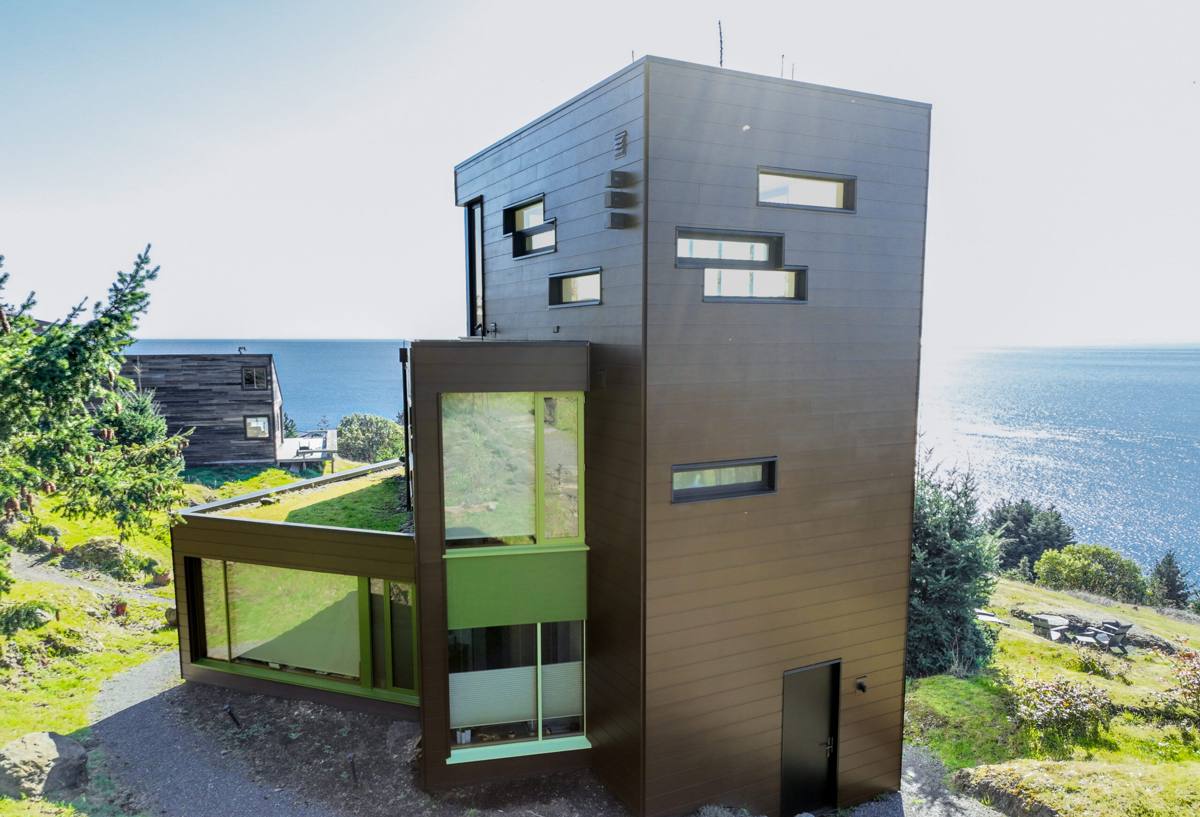
What Birchwood's Climate Asks of a New Window Install
Birchwood sits within Bellingham, close enough to the water and to Whatcom County's marine weather patterns that new construction has to plan for conditions that inland builds in drier climates don't deal with. None of this is exotic — it's standard Pacific Northwest coastal building practice — but it has to be built in from the start, not added later.
Salt Air and Marine Exposure
Proximity to Bellingham Bay means airborne salt is part of the environment year-round. Salt-laden air accelerates corrosion on exposed fasteners, cheap flashing metal, and hardware that isn't rated for it. On a new build, this means choosing corrosion-resistant flashing and fasteners at the outset rather than dealing with rust streaks and failed hardware a few years down the line.
Wind-Driven Rain
Storms coming off the water don't just fall straight down — they drive rain sideways into wall assemblies, which puts real pressure on head flashing, sill pans, and the seal around the window unit itself. A flashing detail that would be fine in a drier inland climate can fail here if it wasn't built to shed water under wind pressure, not just gravity.
A Long Moss and Mildew Season
Whatcom County's damp season runs long, and anywhere moisture can sit — a poorly sloped sill, a gap in house wrap, a low spot in flashing tape — becomes a place where moss, algae, and mildew take hold. On new construction, this is largely a drainage and detailing problem: build the water path correctly and there's nowhere for growth to establish itself.
What a Correct New-Construction Window Install Involves
A properly installed new-construction window is really a sequence of small, correct decisions stacked on top of each other. Skip or rush one step and the whole assembly is only as good as its weakest point.
Rough Openings and the Flashing Sequence
Before a window ever goes in, the rough opening needs to be square, properly sized, and prepared with a sloped sill pan so any water that gets past the window has somewhere to go — out, not into the wall cavity. Flashing tape goes on in a specific order (sill, then jambs, then head) so that each layer sheds water onto the layer below it, shingle-style. Getting this order backwards is one of the most common causes of hidden water intrusion in new builds.
Choosing the Right Window for a New Build
New-construction windows typically use a nail fin that gets integrated directly into the house wrap and flashing system, which gives a more continuous water barrier than retrofit frames that sit inside an existing opening. For Birchwood's climate, we also pay attention to the window's U-factor and solar heat gain rating — this region's building code has specific performance requirements for our climate zone, and the right glass package makes a real difference in comfort and energy bills through the wet, low-sun months.
Sealants, Fasteners, and Insulation
Around the frame, low-expansion foam or backer rod and sealant closes the gap between the window and framing without bowing the frame out of square — over-filling with high-expansion foam is a common mistake that can cause a window to bind or seal poorly. Exterior sealant beads and fasteners need to be rated for exterior, coastal exposure, not general-purpose hardware that will corrode or fail early.
New-Construction vs. Retrofit: Why the Distinction Matters
Homeowners sometimes assume a "window install" is a window install, but new-construction and retrofit work solve different problems, use different products, and require different sequencing with other trades.
| Factor | New Construction | Retrofit / Replacement |
|---|---|---|
| Window type | Nail-fin frame, integrated into wrap | Flush-fin or block frame, fits existing opening |
| Flashing access | Full access to sheathing and framing | Limited to what's exposed by removing old unit |
| Sequencing | Coordinated with framer, wrap, and siding crews | Standalone, doesn't affect other trades |
| Water barrier | Built as one continuous system from scratch | Tied into an existing, sometimes aging system |
| Inspection point | Can be checked before siding closes it up | Rarely re-inspected once installed |
The advantage of new construction is that the assembly can be built correctly from bare framing, with nothing hidden yet. That advantage disappears if the install isn't done right the first time, since siding, insulation, and drywall will cover the mistake for years.
Frame Material Considerations for Birchwood New Builds
Frame material affects both upfront cost and how the window handles this region's damp, salt-exposed air over time. There's no universally "best" choice — it depends on the home's design, budget, and how much upkeep the owner wants to take on.
| Frame Material | Coastal / Moisture Performance | Maintenance |
|---|---|---|
| Vinyl | Good — won't rust or rot, handles damp climates well | Low, occasional cleaning |
| Fiberglass | Very good — stable in temperature and moisture swings | Low |
| Aluminum-clad wood | Good exterior protection, but seams and joints need attention | Moderate |
| Solid wood | Attractive but most vulnerable to prolonged damp exposure | Highest — regular refinishing |
For most new builds in Birchwood, vinyl and fiberglass frames get specified because they hold up against long, wet stretches with the least ongoing attention. Where a homeowner wants the look of wood, aluminum-clad options give that appearance while keeping exposed wood off the exterior face.
How We Work With Your Builder or GC
On new construction, window installation has to slot into a tight sequence: framing, then house wrap, then windows and flashing, then siding. We coordinate directly with the general contractor or framing crew on timing so the openings are ready, the wrap is lapped correctly before we start, and our flashing work is complete and inspected before siding crews close the wall. Miscommunication at this handoff is where a lot of new-construction water problems originate — not from bad materials, but from steps happening out of order or a trade covering up work that wasn't finished properly.
We're glad to walk the site with your builder before framing is closed in, review flashing details together, and flag anything that needs adjusting while it's still cheap and easy to fix.
Mistakes We See in New-Construction Window Framing
Most of the water problems that show up in newer Birchwood homes trace back to a handful of avoidable issues at the framing and flashing stage:
- No sloped sill pan, so water sits at the bottom of the opening instead of draining out
- Flashing tape applied in the wrong order, directing water into the wall instead of away from it
- House wrap not lapped over the head flashing, creating a reverse lap that catches water
- High-expansion foam used around the frame, bowing it out of square and affecting the seal
- Fasteners or flashing metal not rated for coastal, salt-air exposure
- Siding installed before flashing details were checked or corrected
- Rough openings cut oversized "to be safe," leaving gaps that are hard to seal properly
Every one of these is preventable with the right sequence and a crew that's paying attention to the details, not just getting the window physically in place.
Why Hiring a Crew That Already Works Birchwood Matters
Anyone can hang a window. Hanging it so the whole wall assembly sheds water correctly for the next thirty years in a marine climate takes familiarity with how Birchwood homes actually perform — how driving rain hits certain exposures, how long moss season really runs, and where salt air does the most damage to hardware and fasteners. A crew that works this specific part of Bellingham regularly has already seen what fails here and builds around it as standard practice, not as an afterthought.
We also know the local building department's expectations for new-construction window installs in Whatcom County, which keeps inspections moving instead of turning into back-and-forth over details that should have been right the first time.
If you're framing a new home or addition in Birchwood and want the window installation planned and done correctly from the start, we're happy to take a look at your plans and talk through the details — reach out for a free, no-pressure estimate using the form below.