 Bellingham Exterior
 Storm Damage Roof Repair for Columbia Homes
Columbia sits close enough to Bellingham Bay that its roofs take a different kind of beating than homes further inland in Whatcom County. Salt-laden air moves in off the water, driving rain comes in sideways during winter fronts, and the long, wet moss season never really lets a roof dry out and reset. When a storm rolls through and knocks something loose, cracks a shingle, or opens a seam around a vent pipe, the damage doesn't always announce itself with a leak in the ceiling. Often it shows up months later as a soft spot in the decking or a stain that spreads slowly across drywall. Storm damage roof repair done right in this neighborhood means understanding that pattern, not just patching what's visible from the ground.
We work on roofs throughout Bellingham, and Columbia's mix of older, established homes and newer infill construction means we see everything from original cedar shake substructures under later asphalt overlays to modern architectural shingle roofs less than a decade old. Each of those needs a different repair approach after a storm, and treating them the same way is how homeowners end up with a fix that fails again during the next windstorm.
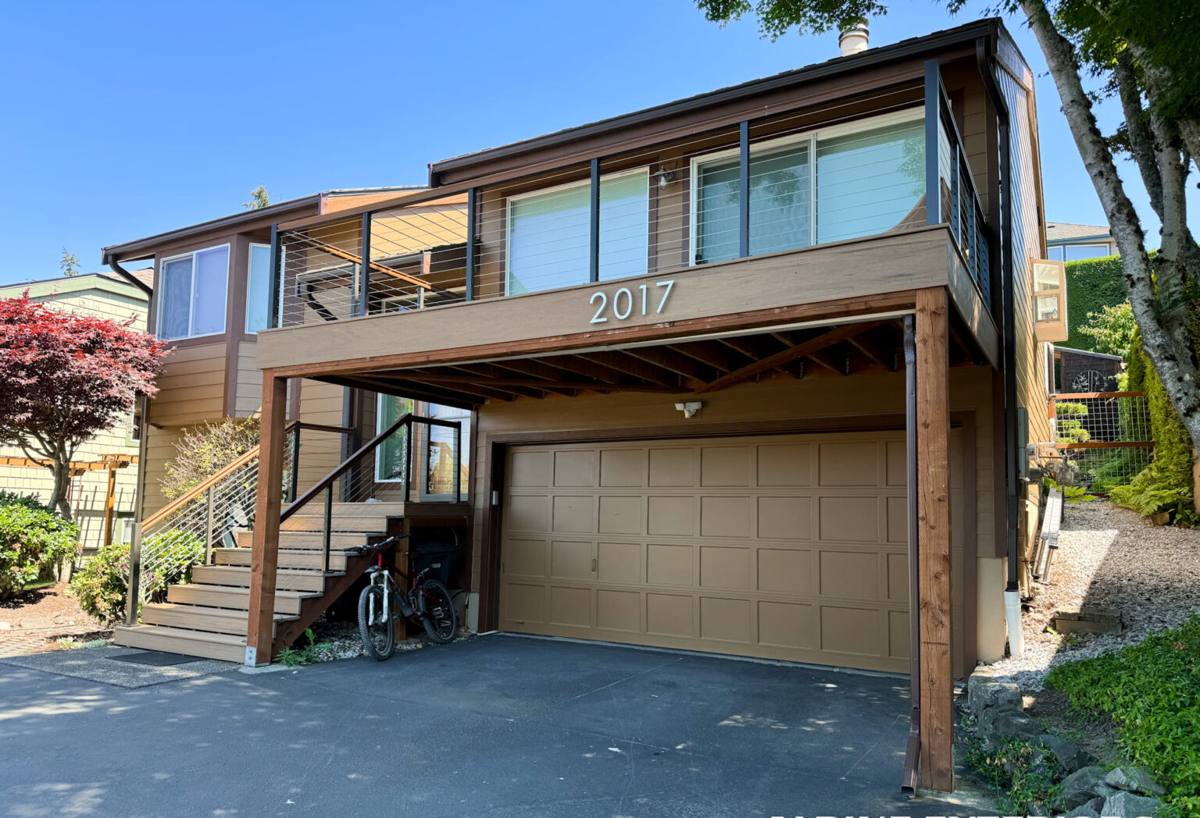
How Whatcom County Storms Actually Damage a Roof
Wind and Wind-Driven Rain
Wind alone rarely tears a healthy, well-fastened roof apart. What it does is find the weak point — a shingle tab with a failed seal, a ridge cap that was never properly nailed, flashing that's started to lift at a corner — and turn a small existing flaw into an open gap. Once wind gets under a shingle edge, it can peel back a whole run in a single gust, and the rain that follows the same storm finds its way straight into the decking underneath.
Salt Air and Corrosion
Being close to the water means metal components age faster here than they would twenty miles inland. Nail heads, flashing, vent boots, and gutter hardware all corrode on a shorter timeline near Bellingham Bay. A storm that would be a non-event on a roof with fresh metal can be the thing that finally breaches a flashing seam that salt air had already been quietly weakening for years.
Moss and Trapped Moisture
Whatcom County's moss season runs long — realistically most of the year on north-facing slopes and shaded sections of roof. Moss holds moisture against the shingle surface, which accelerates granule loss and softens the mat underneath. A roof with active moss growth going into a storm is already compromised; the storm just exposes it faster. This is one of the biggest differences between repairing storm damage here versus in a drier climate — we're almost always dealing with an underlying moisture and moss issue alongside the acute storm damage.
Signs of Storm Damage Worth a Roof Inspection
Not every sign of storm damage is obvious from the driveway. After any significant wind or rain event, it's worth checking for:
- Shingles that look curled, cracked, creased, or are missing outright
- Granules collecting in gutters or at downspout outlets
- Bent, lifted, or missing flashing around chimneys, skylights, and vent pipes
- Soft or spongy spots when walking the roof (a sign water has reached the decking)
- New or worsening water stains on ceilings or upper walls
- Debris, branches, or dents from hail or wind-thrown material
- Gutters pulled away from the fascia or sagging under debris weight
- Daylight visible through the roof deck from inside the attic
If you see any of these after a storm, the priority is a proper inspection before the next rain, not a quick cosmetic patch. Water that's already reached the decking will keep spreading laterally even after the surface repair is done, which is why a real assessment matters more than a fast one.
What a Correct Storm Damage Repair Involves
A repair that actually holds starts with figuring out how far the damage extends, not just fixing what failed. That means pulling back shingles around the damaged area to check the underlayment and decking, not just replacing what's visibly torn. If the decking has absorbed water, it needs to dry and, in many cases, be replaced in that section — covering wet plywood with new shingles just traps the moisture and sets up rot underneath.
Flashing gets the same scrutiny. A storm that damages shingles near a chimney, skylight, or wall intersection has often also disturbed the flashing in that area, even if the flashing itself looks intact. Re-sealing shingles without checking the flashing underneath is one of the most common shortcuts that leads to a repeat leak the following winter.
Matching Materials Correctly
On an asphalt shingle roof, an exact color and profile match isn't always possible if the original shingles have weathered or the product line has changed. We're upfront about that before starting — matching as closely as the market allows and being honest when a small color difference is unavoidable, rather than making promises we can't keep. On older roofs with cedar shake or older material types, repairs sometimes call for a judgment call between a targeted fix and recommending a broader look at the roof's remaining service life.
Our Storm Damage Repair Process
1. Assessment
We inspect the full roof, not just the area you're worried about — storm damage often shows up in more than one spot, especially on roofs with existing wear from moss or age.
2. Documentation
We photograph and note the damage clearly enough to support an insurance claim if you're pursuing one, including any pre-existing conditions we find so there's no confusion later about what the storm caused.
3. Temporary Protection
If there's an active leak or exposed decking, we get it covered and weathertight first. This isn't the final repair, but it stops ongoing damage while the rest of the work is scoped.
4. Repair Plan and Pricing
We explain what needs to happen, why, and what it costs before any permanent work starts — including whether a section repair makes sense or whether the damage is extensive enough that repair costs are approaching what a partial re-roof would cost.
5. Repair and Cleanup
We complete the fix, check surrounding areas one more time, and clear debris and old material from the property before we leave.
Repair Scope by Damage Type
| Damage Type | Typical Cause | Repair Scope |
|---|---|---|
| A few missing or cracked shingles | Wind gust, isolated failed seal | Localized shingle replacement, flashing check |
| Lifted flashing at chimney or vent | Wind uplift, corroded fasteners | Flashing resealed or replaced, surrounding shingles checked |
| Soft or wet decking | Prolonged leak before discovery | Decking section replacement, underlayment renewal |
| Widespread granule loss, multiple bare spots | Hail, age combined with storm impact | Larger section repair or full slope replacement |
| Gutter and fascia damage | Wind, debris impact, ice buildup | Gutter and fascia repair alongside roof work |
This is a general guide, not a quote — every roof and every storm event is different, and the only way to know the real scope is a hands-on inspection.
Insurance and Storm Claims
Most homeowners' policies cover sudden storm damage, but coverage typically excludes damage that's really the result of long-term wear, deferred maintenance, or moss and moisture issues that predate the storm. That's part of why honest documentation matters — we note what the storm caused versus what was already present, which protects you from a claim dispute down the line. We're glad to work alongside your adjuster and provide the photos and written scope they need, but we don't inflate a claim or claim storm causation for damage that clearly isn't storm-related. That kind of shortcut can jeopardize your claim and your policy standing.
Why Hire a Crew That Already Works in Columbia
A roofer who works Bellingham regularly knows what this bay-adjacent, moss-heavy climate does to a roof over time, and that context changes how a storm repair gets approached. It's the difference between patching what's visible and understanding that a flashing failure near the water probably has some salt corrosion behind it, or that a soft spot on a north-facing slope is connected to moss that's been building for a couple of seasons. We're not guessing at what Whatcom County weather does to roofing material — we see it on repair calls throughout the year.
Local also means accountability. If a repair doesn't hold through the next storm season, we're the crew that's still here, in the same community, standing behind the work. That matters more with storm repairs than almost any other roofing work, because the whole point is durability under conditions that will absolutely test it again.
Get a Free, No-Pressure Estimate
If a recent storm has left you with damage in Columbia or anywhere else in Bellingham, it's worth having it looked at before the next round of rain finds the gap. We'll give you a straight assessment of what happened, what it takes to fix it correctly, and what it costs — no pressure, no upsell. Use the form below to request a free estimate.