 Bellingham Exterior
 Roof Repair in Edgemoor Built for the Weather That Actually Hits It
Edgemoor homes sit in one of the more demanding microclimates in Bellingham. The combination of salt-laden air off the water, wind-driven rain, and heavy tree cover means roofs here age differently than roofs a few miles inland. A repair that works on a dry-side roof in another part of Whatcom County isn't automatically the right fix for a roof in Edgemoor. This page walks through what actually causes roof damage in this neighborhood, what a correct repair looks like, and how our process works when you call us out for an estimate.
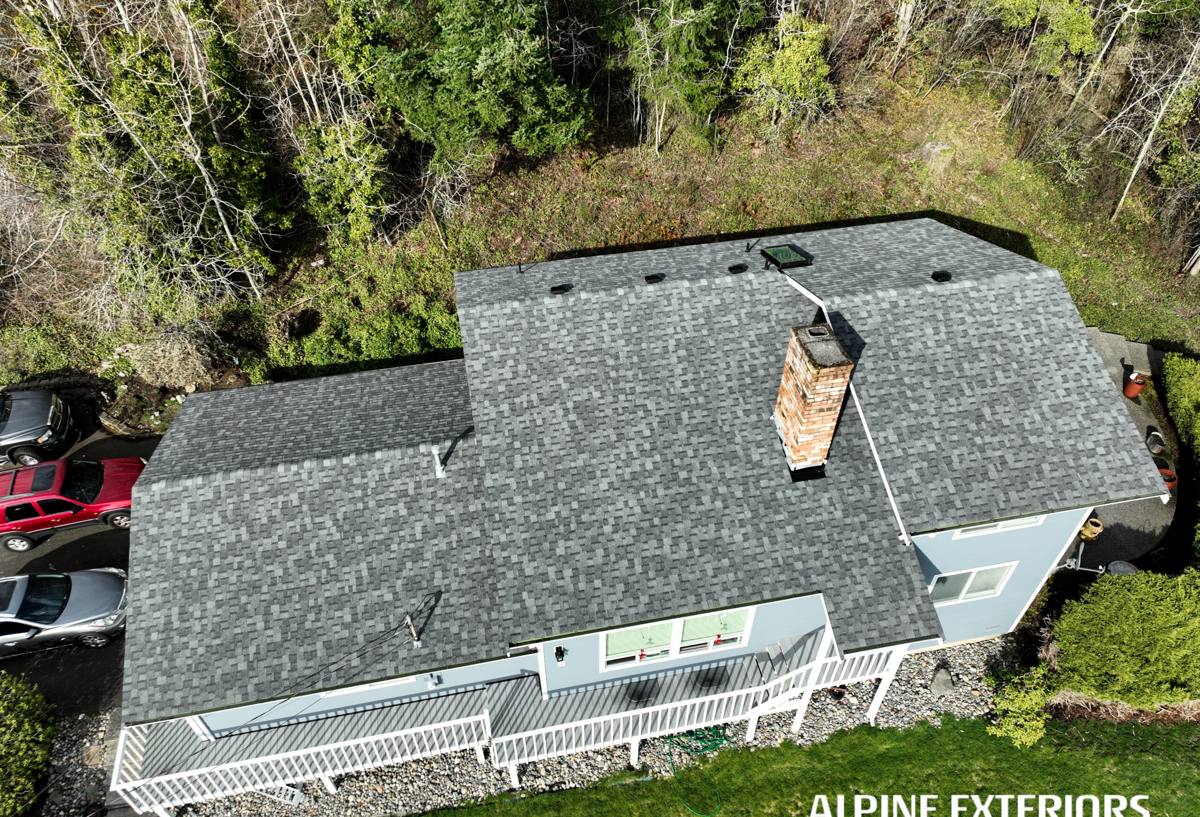
What Makes Edgemoor Roofs Wear Differently
Three things drive most of the roof repair calls we get in this part of Bellingham, and they usually work together rather than in isolation.
Salt air. Proximity to the water accelerates corrosion on any exposed metal — flashing, fasteners, gutter hardware, vent caps. Metal that would last decades inland can start showing pitting and rust streaks years earlier when it's regularly exposed to salt-carrying air, especially on the sides of a roof that face the water or catch prevailing wind.
Driving rain. Bellingham gets a lot of rain that doesn't fall straight down — storms off the Sound push it sideways, which means it finds its way under shingles, around chimneys, and through poorly sealed penetrations that would stay dry in a calmer climate. Roofs here need flashing and underlayment detailing that assumes rain is coming in at an angle, not just from above.
Tree cover and moss season. Many Edgemoor lots have mature trees, which is part of what makes the neighborhood attractive, but it also means more shade, more organic debris on the roof, and a moss and algae season that runs longer than it does on an open, sun-exposed roof. Moss holds moisture against the roofing material and works its way under shingle edges over time, which is one of the most common root causes we trace repair calls back to.
The Problems We See Most Often on Edgemoor Roofs
Moss and Organic Growth
Moss isn't just cosmetic. As it establishes itself on a shaded, damp roof, it lifts shingle edges, holds water against the roofing surface, and traps debris that decomposes into a soil-like layer. Left long enough, it accelerates granule loss and can contribute to rot in the roof deck underneath. Repairing moss damage properly means removing the growth without damaging the shingles underneath, addressing the moisture source, and checking whether the deck itself needs attention.
Flashing and Penetration Failures
Chimneys, skylights, roof-to-wall transitions, and vent pipes are the most common places we find active leaks. Flashing that's corroded from salt exposure, sealant that's dried out and cracked, or flashing that was never properly stepped and counter-flashed in the first place will eventually let water in — often well away from where the leak actually shows up inside the house.
Wind-Driven Rain Intrusion
Because storms here often push rain sideways, we find intrusion points that wouldn't leak in a straight-down rain event: shingle edges facing the prevailing wind, ridge caps with worn sealant, and valleys where water moves fast and finds any gap. These repairs require attention to lap direction and sealing detail, not just patching the visible damage.
Granule Loss and Aging Asphalt
Asphalt shingles lose their protective granules over time, faster in areas with heavier moss and moisture exposure. Once the asphalt mat underneath is exposed to UV and water directly, that section of roof degrades quickly. Isolated granule loss can often be repaired; widespread loss across a roof is usually a sign that a full section, or the whole roof, is approaching the end of its service life.
What a Correct Repair Actually Involves
Diagnosing the Real Cause, Not Just the Symptom
A stain on a ceiling doesn't tell you where the water is entering — water often travels along rafters or sheathing before it shows up inside. A correct repair starts with tracing the leak to its actual entry point, which sometimes means inspecting flashing, valleys, and penetrations well away from where the damage is visible indoors.
Matching Materials and Techniques
A patch that doesn't match the existing roofing material's type, weight, and profile can create a new weak point instead of fixing the old one. We match shingle type, exposure, and fastening pattern to what's already on the roof so the repair blends in and performs the same way the surrounding roofing does.
Flashing, Underlayment, and Sealants Done Right
Given how much of our repair work traces back to flashing and moisture intrusion, we treat this as the part of the job that can't be shortcut. That means proper step flashing at wall transitions, correctly lapped underlayment, and sealants rated for exterior, UV, and moisture exposure — not general-purpose caulk that will fail again in a season or two.
Our Roof Repair Process
- Inspection and diagnosis. We get on the roof (weather permitting) and inspect the affected area along with flashing, valleys, and penetrations nearby, since the cause of a leak is often not where it shows up.
- Honest assessment. We tell you plainly whether this is a straightforward repair, a larger repair, or a situation where repair isn't the responsible long-term recommendation.
- Written estimate. You get a clear scope of work and price before anything happens — no surprise add-ons once we're up there.
- The repair itself. Matching materials, correct flashing and sealant work, and moss or debris removal from the affected area as needed.
- Cleanup and walkthrough. We clear debris from the roof and gutters in the work area and walk you through what was done and why.
Repair or Replace? Weighing the Decision
Not every roof problem in Edgemoor needs a full replacement, and not every roof is a good candidate for another round of patching. These are the factors that actually matter when making that call.
| Factor | Favors Repair | Favors Replacement |
|---|---|---|
| Age of roofing material | Well within expected service life | At or past typical lifespan for the material |
| Extent of damage | Isolated to one section or penetration | Spread across multiple sections or slopes |
| Granule loss | Localized, surrounding shingles still sound | Widespread, asphalt mat exposed in multiple areas |
| Deck condition | Solid, no soft spots or rot found | Soft decking or signs of moisture damage underneath |
| Repair history | First or infrequent repair | Recurring leaks in different areas over time |
When a roof falls into a mix of both columns, we'll walk you through the trade-offs rather than push one direction. A well-executed repair on a roof with years of life left is money well spent; a repair on a roof that's already failing in multiple places usually ends up costing more over time than addressing it properly once.
Why a Crew That Already Works Edgemoor Matters
Roofing crews that work regularly in this neighborhood get a feel for which failure patterns show up here versus other parts of Bellingham and Whatcom County — where moss tends to build up fastest given the tree cover on a given lot orientation, which flashing details tend to corrode first given salt exposure, and what a wind-driven rain leak typically looks like once you trace it. That familiarity shortens the diagnosis step and reduces the odds of a repair that addresses the visible symptom but misses the actual cause. It also means we're not guessing at how the local climate affects material choices and repair techniques — we're applying what we've already seen work.
Simple Roof Maintenance Homeowners Can Do Between Visits
A few habits go a long way toward keeping small issues from becoming repair calls, especially in a moss-prone, tree-covered area like Edgemoor.
- Keep gutters and downspouts clear of leaves and needles so water isn't backing up under the roof edge.
- Trim back branches that overhang the roof to reduce shade, debris, and moss growth.
- Do a visual check from the ground after major windstorms for lifted or missing shingles.
- Look inside the attic (if accessible) periodically for water stains, damp insulation, or daylight coming through the deck.
- Don't ignore small moss patches — they spread and hold moisture longer the bigger they get.
- Have any visible flashing rust or cracked sealant looked at before the next heavy rain season, not after a leak appears.
If you're dealing with a leak, moss buildup, or damaged flashing on an Edgemoor roof, we're happy to take a look and give you a straight answer about what it needs. Reach out for a free, no-pressure estimate using the form below.