 Bellingham Exterior
 Deck Repair Built for Cordata's Weather, Not Just Any Deck
Cordata sits in north Bellingham, close enough to Bellingham Bay and the Puget Sound marine layer that decks here take on moisture in ways that decks in drier climates never have to deal with. Add Whatcom County's long wet season, the shoulder-season fog that rolls through the lowlands, and months at a time where a deck surface barely gets a chance to fully dry out, and you have a recipe for slow, quiet damage that's easy to miss until it isn't. We repair decks in Cordata regularly, and the patterns we see here are specific enough that a generic deck repair approach usually misses the real problem.
This page is about deck repair specifically — not full replacement, not new construction. Most decks we're called out to in Cordata don't need to be torn out. They need the right sections fixed correctly, with attention to the parts of the structure that actually fail first in this climate.
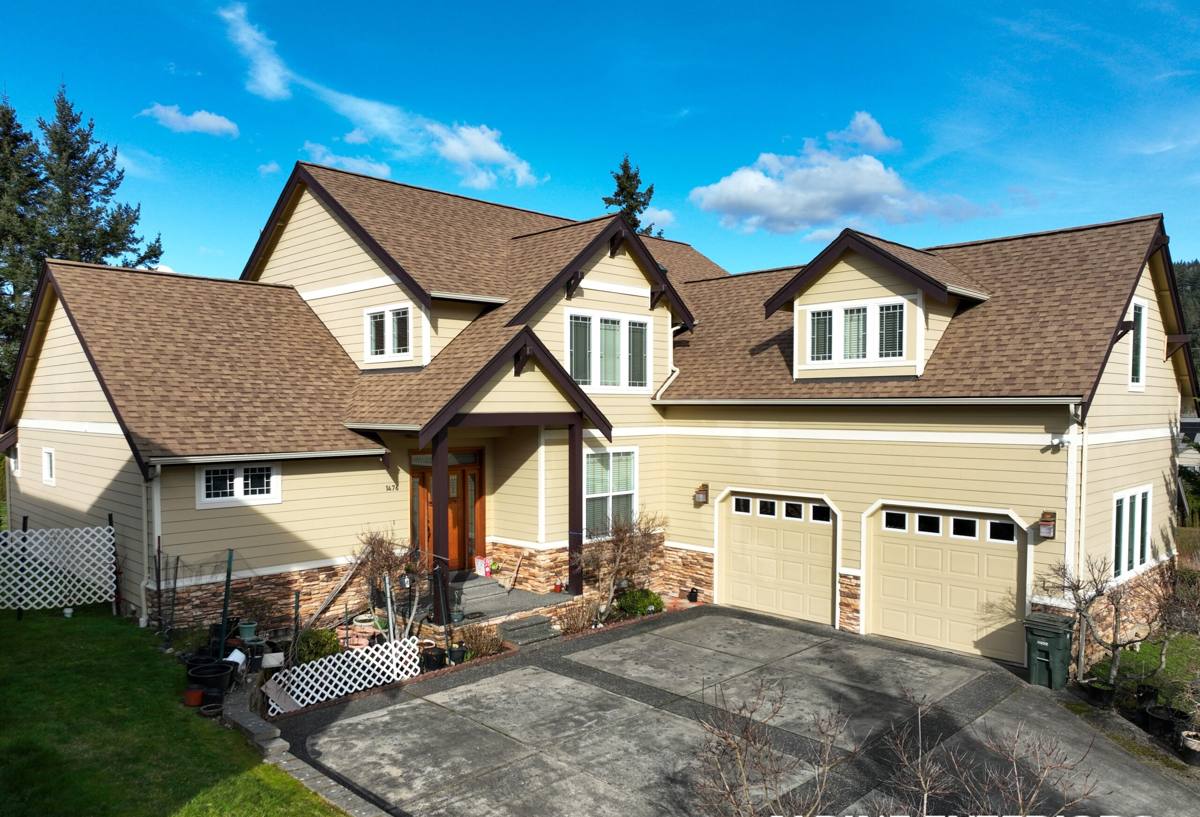
What Bellingham's Climate Actually Does to a Deck
Three things drive most of the deck damage we see in this part of Whatcom County, and Cordata gets all three:
Driving rain and prolonged dampness
It's not just how much it rains — it's how long wood and fasteners stay wet afterward. Decks with limited sun exposure, tight rail spacing, or landscaping that blocks airflow underneath can stay damp for days after a storm system passes through. That extended moisture contact is what breaks down wood fiber and corrodes fasteners over years, not any single storm.
Moss and organic buildup
Whatcom County's moss season runs long — realistically fall through spring, sometimes overlapping into summer on shaded decks. Moss and algae hold water against the decking surface, keep it from drying between rains, and make boards slippery and slick underfoot. Left alone, it accelerates rot in the boards themselves and in ledger connections where debris collects.
Salt-influenced marine air
Cordata isn't waterfront, but it's close enough to Bellingham Bay that the marine air reaches it, especially on the west-facing and open sides of a property. That salt-tinged moisture is harder on exposed metal — nails, screws, joist hangers, railing hardware — than inland dry-climate air is. We see accelerated fastener corrosion on decks here that would hold up much longer somewhere drier.
Signs a Cordata Deck Needs Repair
Homeowners usually notice the surface problems first — but the surface is rarely where the real issue lives. Here's what we actually check for:
- Soft or spongy spots when you walk the deck, especially near the house or along the perimeter
- Boards that have visibly cupped, crowned, or separated at the seams
- Rust streaking below fastener heads or hardware
- A railing or post that flexes or wobbles when you push on it
- Gaps opening up where the deck ledger meets the house siding or band board
- Persistent moss or dark staining in the same spots every season, even after cleaning
- Stair stringers that feel different underfoot than they used to — bounce, give, or creak
- Visible daylight or gaps at joist-to-ledger or joist-to-beam connections
Any one of these on its own might be minor. Several together, especially soft decking paired with rust at the fasteners, usually means moisture has been getting into the structure for a while.
Repair vs. Replace: How We Make That Call
Not every damaged deck needs to come out. The decision usually comes down to whether the damage is contained to specific, replaceable components or has spread into the structural framing that's expensive and disruptive to access.
| Condition | Usually Repairable | Usually Needs Replacement |
|---|---|---|
| Deck boards | A handful of cupped, split, or soft boards scattered across the deck | Widespread softness or rot across most of the decking surface |
| Ledger board | Localized flashing failure with contained moisture damage | Extensive rot along the ledger where it meets the house |
| Railings and posts | Loose or wobbly rail sections, corroded hardware | Posts rotted at the base or pulling away from the frame |
| Joists and beams | One or two joists with isolated end damage near a leak source | Multiple joists soft or compromised, or beam sagging |
| Stairs | Loose stringers, worn treads | Stringers rotted or undersized for current code |
We'll always tell you honestly which category your deck falls into. If a repair will hold up, we say so. If the underlying structure is too far gone to repair responsibly, we'll tell you that too rather than patch something that will fail again in a season or two.
What a Correct Deck Repair Actually Involves
A repair that just swaps out the obviously bad boards and stops there tends to leave the actual cause of the damage in place. Our process looks at the whole moisture path, not just the symptom.
Ledger and flashing check
Since the ledger board is bolted directly to the house, any flashing failure there sends water straight into the band joist and rim area — one of the most common hidden failure points on Bellingham-area decks. We check and correct flashing whenever we're working near the ledger, even if that wasn't the original complaint.
Fastener and hardware inspection
Given how hard marine air is on exposed metal here, we replace corroded fasteners and hardware with corrosion-resistant, code-rated hardware rather than reusing what's there, even during a partial repair.
Framing assessment before surface work
Before replacing any decking boards, we probe the joists underneath at the same spot. Surface rot without checking the framing below it is how a "quick fix" ends up needing to be redone the next year.
Drainage and airflow
Where moss and standing moisture are recurring problems, part of the repair is improving how water sheds off the deck and how air moves underneath it — not just replacing what rotted.
Our Deck Repair Process in Cordata
- On-site assessment. We walk the full deck, check soft spots, probe suspect framing, and look at the ledger and stair connections — not just the area you called about.
- Honest scope and estimate. You get a clear breakdown of what needs fixing, what's optional, and what we'd flag to watch but not act on yet.
- Repair. We match existing materials where reasonable, replace what's failed with appropriately treated or corrosion-resistant materials, and correct any moisture path issues we find along the way.
- Final check. We walk the deck again with you, test the repaired sections, and point out any maintenance items worth keeping an eye on given the season.
Materials and Cost Factors
Deck repair costs vary a lot depending on scope, so we won't quote a number without seeing the deck. What tends to move the price up or down:
| Factor | Effect on Cost |
|---|---|
| Number and location of boards needing replacement | Isolated boards are quick; boards near the ledger or stairs take more care |
| Framing access | Damage under the deck surface or near the ledger costs more to reach and fix properly |
| Hardware condition | Full hardware replacement adds cost but prevents repeat failures given local air conditions |
| Matching existing decking | Older or discontinued board profiles can cost more time to source or blend in |
| Railing or stair code compliance | Bringing older railings or stairs up to current code can add scope beyond a like-for-like repair |
A Note on Materials for This Climate
Where we're replacing boards or hardware on a repair, we lean toward materials that handle sustained moisture and marine air well — pressure-treated lumber rated for ground contact where relevant, corrosion-resistant fasteners, and composite or capped-composite boards where a homeowner wants to reduce future moss and moisture upkeep. We'll walk you through the trade-offs for your specific deck rather than defaulting to one answer, since matching existing material sometimes matters more than switching to something new.
Maintenance That Actually Extends a Cordata Deck's Life
A good repair lasts a lot longer with a little seasonal attention, especially given how long the moss season runs here:
- Clear leaves, needles, and debris from between boards before the fall rains set in
- Treat or sweep moss off the surface early in the season rather than waiting until it's established
- Check that gutters and downspouts aren't dumping extra water onto or near the deck
- Keep an eye on the ledger-to-house line for gaps, staining, or peeling caulk
- Trim back plants and shrubs that are blocking airflow under or around the deck
- Re-check fastener heads periodically for early rust, especially on railings and stair hardware
Why a Cordata-Familiar Crew Matters
Deck problems in this part of Whatcom County follow patterns that a crew working here regularly learns to recognize fast — where flashing tends to fail first, which framing spots hold moisture longest, and how much moss buildup is normal versus a sign of a drainage problem. That local pattern recognition is the difference between a repair that addresses the actual cause and one that just replaces what's visibly damaged and leaves the same conditions in place to cause the next round of rot.
If you've got a deck in Cordata that's showing soft spots, wobble, moss that won't quit, or rust at the hardware, we're glad to come take an honest look. The estimate is free, there's no pressure, and you'll get a straight answer about whether it's a repair or something bigger — just fill out the form below.