 Bellingham Exterior
 Fairhaven Sits Right Where Bellingham's Weather Gets Serious
Fairhaven's location near Bellingham Bay gives it some of the best views in Whatcom County — and some of the toughest conditions for exterior building materials. Homes here take on salt-laden air off the water, wind-driven rain that hits siding at an angle instead of falling straight down, and a wet season that can stretch from October well into spring. Add in the shade from mature trees on many older lots, and you get long stretches where siding simply doesn't dry out between storms.
None of that is unusual for a Pacific Northwest coastal neighborhood. But it does mean that siding choice and installation quality matter more in Fairhaven than they would on a dry, inland lot. Materials that hold moisture, trap it behind the cladding, or degrade under constant damp exposure will show problems years before they should. That's the backdrop for every siding decision we make on Fairhaven homes.
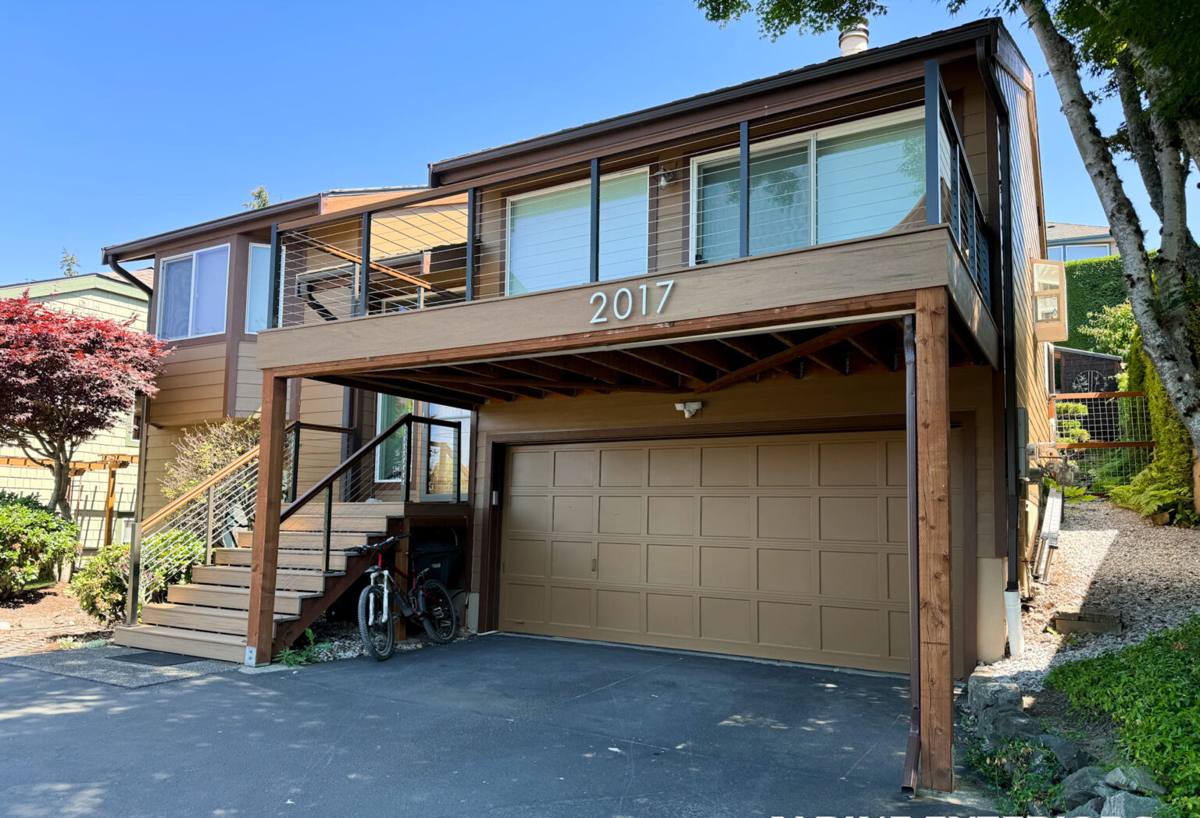
What Siding Actually Needs to Handle Here
Before talking about products, it helps to name the specific stresses a home in this part of Bellingham deals with over a normal year:
- Salt air corrosion: airborne salt from the bay accelerates the breakdown of some paints, fasteners, and softer building materials over time.
- Driving rain: wind off the water pushes rain sideways into wall assemblies, stressing joints, laps, and any gaps in flashing.
- Extended dampness: shaded, tree-covered lots and a long wet season mean siding surfaces stay wet longer between dry spells.
- Moss and algae growth: constant moisture plus organic debris (fir needles, leaf litter) creates ideal conditions for moss to take hold on siding, trim, and fascia.
- Freeze-thaw swings: Bellingham gets enough cold snaps each winter that any material prone to trapping water can crack or spall when that water freezes.
Siding that isn't built for this combination doesn't fail all at once. It shows up as swelling at panel edges, peeling paint, soft spots at the bottom courses, or a green film that keeps coming back no matter how often it's washed. That slow failure is exactly what we're trying to prevent when we spec a project in this neighborhood.
Why We Only Install James Hardie Fiber Cement
We standardized on James Hardie fiber cement siding for every project we take on, including in Fairhaven, and we don't install vinyl, LP SmartSide, or cedar. That's not a marketing position — it's a practical one. Fiber cement is made from cement, sand, and cellulose fibers, which means it doesn't rot, doesn't feed moss the way organic wood fibers can, and holds paint and factory finish far longer in a wet, salty environment than wood-based or vinyl alternatives. James Hardie also builds region-specific product lines engineered for different climate demands, which lets us match the material to what this specific part of Washington actually throws at a house.
Matching the Product Line to a Marine Climate
James Hardie makes climate-engineered HZ product lines rather than one-size-fits-all siding. Homes in the Pacific Northwest, including Fairhaven, sit in the HZ5 climate zone — engineered for regions with sustained moisture, cooler temperatures, and freeze-thaw cycles, as opposed to the HZ10 formulation built for hot, humid Southern climates. Choosing the correct HZ line matters because the moisture-management engineering behind the product is tuned for how often and how long a wall assembly stays wet, which in Fairhaven is often.
On top of the base material, we install ColorPlus factory-finished siding wherever possible rather than field-painted panels. A factory-baked finish resists fading and moisture intrusion at the surface far better than paint applied on site, which matters directly for how well a home resists moss staining and salt exposure over the following decade.
What a Correct Installation Actually Involves
Fiber cement siding is only as good as the installation behind it. A large share of the siding problems we get called out to inspect on older homes near the water trace back to installation shortcuts, not the material itself. On a proper Fairhaven job, that means:
- A drainage plane and rainscreen gap behind the siding, so any moisture that gets past the cladding has somewhere to go instead of sitting against the sheathing.
- Correct flashing at every window, door, and roof-to-wall intersection — the exact spots where wind-driven rain finds its way in first.
- Proper ground clearance and clearance at decks, patios, and grade so the bottom courses aren't sitting in constant splash-back moisture.
- Fastener spacing, caulking, and lap dimensions installed to James Hardie's published specifications, which is what keeps the manufacturer's warranty valid.
- Factory-cut and factory-primed edges wherever possible, with any field cuts properly sealed to prevent raw edges from wicking moisture.
Skipping any one of these doesn't necessarily cause a visible problem in year one. It shows up in year five or eight, as trapped moisture, warping, or premature paint failure — usually right around the time a homeowner assumed they were done thinking about their siding.
Dealing with Moss Without Fighting It Every Year
Moss is one of the most common complaints we hear from Fairhaven homeowners, and it's rarely just a cosmetic issue — sustained moss growth holds moisture against the wall surface and can accelerate deterioration underneath it. A few things make a real difference here:
- Fiber cement's inorganic composition gives moss and algae far less to feed on compared to wood or wood-composite siding.
- Correct roof and gutter drainage keeps runoff from sheeting directly down exterior walls, which is one of the biggest drivers of moss colonization on siding.
- Trimming back vegetation and maintaining a gap between plantings and siding reduces the shaded, damp microclimate moss needs to establish.
- A factory finish that sheds water more effectively than field paint slows the buildup of the organic film moss needs to take hold.
None of this makes a house moss-proof — nothing in this climate is — but it changes moss from a recurring, aggressive problem into an occasional maintenance item.
Fiber Cement Compared to Other Siding Options in This Climate
| Factor | James Hardie Fiber Cement | Vinyl Siding | Wood / Engineered Wood |
|---|---|---|---|
| Moisture and rot resistance | Not organic; resists rot and moisture damage | Doesn't rot, but can trap moisture behind panels if installed poorly | Vulnerable to rot and moisture absorption over time |
| Moss and algae resistance | Little organic material for moss to feed on | Surface can still host moss/algae film | Organic surface is more prone to sustained moss growth |
| Performance in driving rain / salt air | Engineered HZ5 line built for this exposure | Can warp or become brittle with UV and temperature swings | Salt air and rain accelerate finish breakdown |
| Finish longevity | Factory-baked ColorPlus finish holds color and moisture resistance | Color is molded in but can fade and chalk over time | Field-applied paint/stain requires more frequent recoating |
| Fire resistance | Non-combustible | Combustible, can melt or deform near heat sources | Combustible |
What Drives Project Cost on a Fairhaven Home
Every home is different, but the same variables tend to move the price on Fairhaven siding projects up or down:
| Cost Factor | Why It Matters |
|---|---|
| Condition of existing sheathing | Older homes near the water sometimes have hidden moisture damage under existing siding that needs repair before new siding goes on |
| Home size and wall complexity | More corners, dormers, and trim details mean more cutting, flashing, and labor time |
| Siding profile and finish selection | Lap width, texture, and ColorPlus color options carry different material costs |
| Access and site conditions | Steep lots, mature landscaping, and tight setbacks common in older Fairhaven properties can add labor time |
| Trim, fascia, and soffit scope | Full exterior packages cost more than siding-only jobs but address moss and moisture at the roofline too |
We won't quote a number without seeing the house, but broad ranges are reasonable to expect for a full re-side — anyone quoting an exact price sight unseen on an older coastal home isn't accounting for what's often found once the old siding comes off.
Our Process for a Fairhaven Project
- On-site assessment: we look at the current siding, sheathing condition, flashing details, and any moisture or moss patterns specific to your lot's exposure and shading.
- Tear-off and sheathing check: once old siding is removed, we inspect the wall assembly underneath for hidden rot or moisture damage before anything new goes up.
- Drainage plane and flashing installation: the rainscreen gap, window and door flashing, and roof-to-wall details get built correctly before a single piece of siding is hung.
- Fiber cement installation to spec: James Hardie panels installed per manufacturer fastening, clearance, and lap requirements, which keeps the product warranty intact.
- Final walkthrough: we review caulking, trim details, and finish work with you before calling the project complete.
Why Local Experience in This Neighborhood Matters
Fairhaven has a mix of older homes with real character alongside newer construction, and both come with their own wrinkles — older wall assemblies that need a closer look before re-siding, tighter lots, and the general reality of building close to Bellingham Bay's weather. A crew that already understands how salt air, driving rain, and a long moss season interact with a home's exterior in this specific part of Whatcom County makes fewer assumptions and catches more problems before they're buried behind new siding. That local familiarity, paired with installing to James Hardie's actual specifications rather than cutting corners on flashing or clearances, is what keeps a siding job performing for decades instead of needing attention again in a few years.
If you're weighing a siding replacement or repair on a Fairhaven home, we're glad to take a look and talk through what your specific house needs. Reach out for a free, no-pressure estimate — there's no obligation, just an honest read on your siding and what it would take to get it right.