 Bellingham Exterior
 Deck Replacement Built for Happy Valley's Climate
Happy Valley sits close enough to Bellingham Bay and the surrounding forest cover that its homes take on a mix of exposures most decks were never built to handle for the long haul. Salt-laden air drifts in off the water, driving rain comes in sideways during fall and winter storms, and the tree canopy that makes the neighborhood so livable also means shade, damp leaf litter, and a moss season that can run half the year. A deck that would last two decades in a drier inland climate can start failing structurally in Whatcom County in twelve to fifteen years if it wasn't built with this environment in mind.
We replace decks specifically for this kind of exposure — not a generic build dropped into a different climate. That means fastener selection, ledger flashing, and drainage details all get chosen for what actually happens to wood and composite decking here, not what works in a catalog photo.
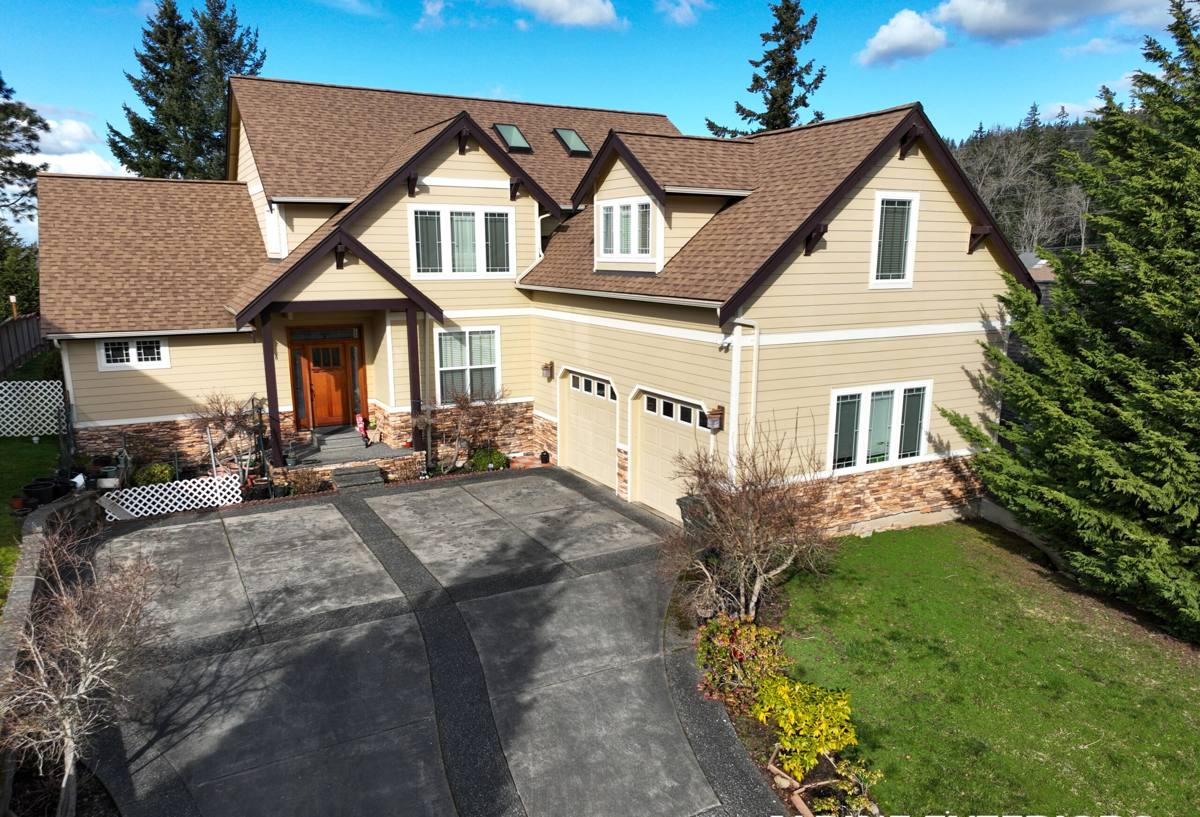
How Salt Air, Rain, and Moss Actually Damage a Deck
Each of these factors attacks a deck differently, and understanding the difference matters when you're deciding whether to repair or replace.
Salt Air
Airborne salt accelerates corrosion on any exposed metal — nail heads, screw shanks, joist hangers, and structural bolts. Once fasteners start rusting, they lose holding strength long before the wood around them looks obviously bad. A deck can look serviceable on the surface while its hardware is quietly failing underneath.
Driving Rain
Wind-driven rain doesn't just fall on a deck, it gets pushed sideways into ledger boards, under railings, and into any gap where flashing was skipped or installed poorly. This is where most rot starts — not on the open deck surface, which sheds water fine, but at the house connection and around posts where water has nowhere to go.
Moss and Standing Moisture
A long moss season means extended periods where deck boards stay damp instead of drying out between rains. Moss holds moisture against the wood surface, and where boards are laid too tight or drainage is poor, that dampness works into the wood grain and fastener holes. It also makes the surface genuinely slippery, which is a safety issue on stairs and ramps, not just a cosmetic one.
Signs a Deck Needs Replacement, Not Just Repair
Not every tired-looking deck needs a full teardown. But there's a point where patching individual boards is throwing money at a structure that's already compromised. Look for:
- Soft or spongy spots when you walk across the deck, especially near the house
- Rust streaks running down from screw heads or hanger hardware
- Visible gaps or separation where the ledger board meets the house siding
- Posts that feel loose or have shifted at the base
- Persistent moss or algae that regrows within weeks of cleaning
- Boards that have cupped, split, or delaminated across more than a small section
- A railing that flexes noticeably when leaned on
Any one of these on its own might be repairable. Several together, especially structural ones like soft framing or loose posts, usually mean the deck's service life is over and replacement is the honest recommendation.
What a Correct Deck Replacement Actually Involves
A deck replacement done right isn't just pulling old boards and screwing down new ones. The parts that determine whether the new deck lasts are mostly things you won't see once it's finished:
- Ledger flashing: Proper metal flashing and membrane at the house connection, installed so water is directed out and away from the wall assembly rather than trapped behind the ledger board.
- Fastener grade: Stainless steel or high-grade coated fasteners rated for coastal/marine exposure, since standard hardware store hardware corrodes faster in salt air.
- Joist protection: Joist tape or a comparable moisture barrier on top of framing lumber so the deck boards aren't sitting on bare, unprotected wood that will hold water at every fastener penetration.
- Post base connections: Proper post bases that keep wood posts off concrete and off standing water, rather than posts set directly into or against concrete piers.
- Board spacing and drainage: Gapping and slope calculated so water actually sheds instead of pooling, which also cuts down on the moss and algae growth this area is prone to.
Skip any one of these and you're not really solving the problem that caused the old deck to fail — you're just delaying the same failure by a few years.
Choosing Materials for a Happy Valley Deck
There's no single "right" decking material for every home — it depends on budget, how much upkeep you want to do, and how much sun versus shade the deck gets. Here's how the common options actually perform in this specific climate:
| Material | How It Handles This Climate | Maintenance Reality |
|---|---|---|
| Pressure-treated fir/hem-fir | Affordable, but more prone to cupping and checking under repeated wet-dry cycles from driving rain and shade | Needs re-staining or sealing every 1-2 years to hold up |
| Cedar | Naturally rot- and insect-resistant, ages well in damp shade, but softer surface wears faster on stairs and high-traffic areas | Periodic oiling or staining recommended; grays naturally if left untreated |
| Composite decking | Doesn't absorb moisture the way wood does, resists moss staining better, and holds up well to salt air with no corrosion risk to the board material itself | Occasional washing; no staining or sealing needed |
| PVC decking | Fully synthetic, essentially immune to rot and moisture damage, good choice for heavily shaded or moss-prone areas | Lowest maintenance of the group; higher upfront cost |
We'll walk through these trade-offs honestly during the estimate rather than steering you toward whatever has the best margin. If a wood deck fits your budget and you're willing to maintain it, that's a legitimate choice — you just need to go in knowing the maintenance schedule that comes with it.
Our Replacement Process
- On-site assessment: We inspect the existing deck's framing, ledger connection, and post bases to confirm what's actually failing and whether replacement or targeted repair is the honest call.
- Design and material selection: We talk through decking material, railing style, and layout based on your budget and how the deck gets used and exposed to weather.
- Permit and code check: We confirm what permitting is required for the scope of work under local jurisdiction before anything is torn out.
- Demolition: Full removal of old decking, framing, and hardware where needed, with an eye on what the demo reveals about the house connection and any hidden moisture damage.
- Structural rebuild: New framing, proper ledger flashing, corrosion-resistant fasteners, and post bases installed to current standards, not just matched to whatever was there before.
- Decking and railing installation: Final surface and railings installed with attention to drainage, spacing, and slope so water sheds properly.
- Final walkthrough: We go over the finished deck with you, including what maintenance it needs and how often, before we call the job done.
Permits and Local Code Considerations
Deck replacement projects in Whatcom County frequently require a permit, particularly when the deck is attached to the house, elevated more than a modest height off grade, or when framing and footings are being replaced rather than just the surface boards. Requirements can also vary depending on whether the deck sits near a slope, drainage feature, or setback line, which is relevant in a hillier, more wooded neighborhood like Happy Valley. We handle the permit process as part of the job rather than leaving it for the homeowner to sort out, and we build to the load and connection standards the permit review expects — not the minimum that happens to pass a quick glance.
Maintaining Your New Deck Through Moss Season
Even a well-built deck needs some seasonal attention in this climate. A simple annual routine keeps a new deck looking and performing the way it should:
- Sweep leaves and debris off the deck surface regularly through fall, especially in shaded corners
- Clean moss and algae buildup before it has a chance to establish, ideally before winter sets in
- Check that gaps between boards stay clear of debris so water keeps draining properly
- Inspect railings and stair connections once a year for any looseness
- Re-stain or reseal wood decking on the schedule appropriate to the species — don't wait until it looks obviously weathered
- Confirm gutters and downspouts near the deck aren't dumping extra water onto or under it
Why Local Experience in Happy Valley Matters
A crew that primarily builds decks in a dry inland climate will make different default choices than one that works Bellingham and Whatcom County regularly — different fastener grades, different flashing details, different judgment calls about drainage and slope. Working in Happy Valley specifically means we've seen how the tree cover, hillside lots, and coastal weather here actually wear on a deck over years, not just how it looks on installation day. That experience shows up in the details that don't get noticed until they prevent a problem: the flashing behind the ledger, the fastener that doesn't rust out in year six, the drainage slope that keeps moss from taking hold.
If your deck in Happy Valley is showing soft spots, rust stains, persistent moss, or just feels like it's on borrowed time, we're happy to take a look. Reach out for a free, no-pressure estimate — we'll give you an honest read on whether it's a repair or a replacement, and what a correct rebuild would involve for your specific home.