 Bellingham Exterior
 Why Barkley Roofs Wear Out on Their Own Schedule
Barkley sits inside Bellingham's marine climate belt, and that means a roof over a Barkley home is dealing with a different set of stresses than a roof three states inland. Salt-tinged air moving in off the Salish Sea corridor, long stretches of driving rain through fall and winter, and a moss season that can run from October well into April all work on roofing materials in ways that don't show up until a leak already has. A roof that would coast for twenty-five years in a dry, inland climate can start failing early here if it wasn't installed with this specific climate in mind.
That's the real problem with a lot of roof replacements in this area: the materials get swapped out, but the details that actually matter in a wet marine climate — ventilation, flashing, underlayment choice, how moss is kept from getting a foothold — get treated the same as they would be anywhere else in the country. A correct installation in Bellingham looks different from a correct installation in a dry Southwest market, and a Barkley home deserves a crew that understands the difference before the first shingle goes down.
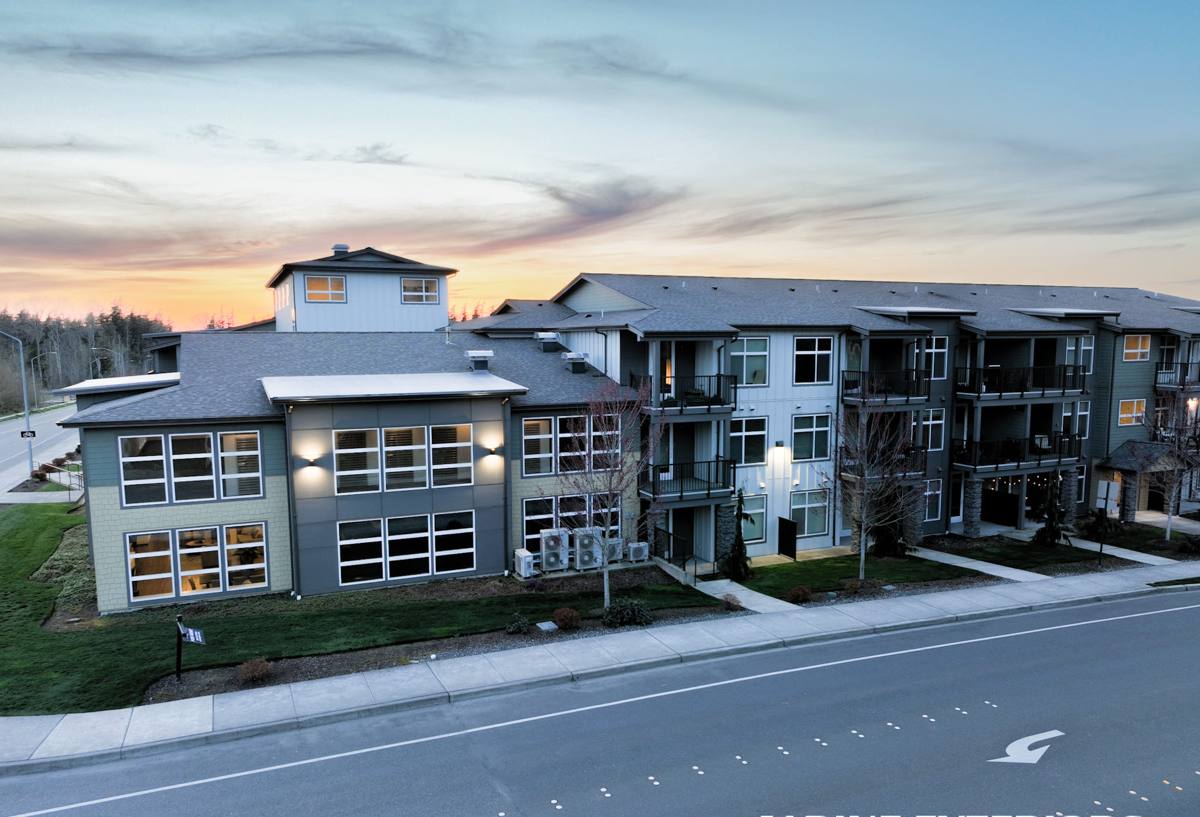
Signs a Barkley Home Is Due for a New Roof
Most roofs don't fail all at once — they give warnings first, and catching those warnings before the wet season turns them into an active leak saves both money and stress. From the ground (binoculars are fine, a ladder isn't necessary for this step), check for:
- Granule loss showing up in gutters or downspouts as gritty black sediment
- Shingles that are curling, cupping, or lifting at the edges
- Thick moss mats, especially on north-facing slopes that stay shaded and damp longest
- Dark streaking or algae staining spreading across large sections of the roof
- Soft spots or a spongy feel underfoot — this is a job for a roofer, not a homeowner on a ladder
- Daylight visible through the roof deck when you look up from inside the attic
- Water stains on interior ceilings, or damp, matted attic insulation
- A roof that's 20 to 25-plus years old, regardless of how it looks from the street
Any single item on that list doesn't necessarily mean an immediate tear-off. Several at once, or a roof that's simply aging out and starting to show it, is worth a real inspection rather than another round of patching that just delays the same conversation.
What a Correct New Roof Installation Actually Involves
Tear-Off and Deck Inspection
A proper installation starts with a full tear-off down to the roof deck, not a layover on top of existing material. That's the only way to actually see the deck — plywood or board sheathing that may have soft, delaminated, or rotted sections from years of slow moisture intrusion you'd never spot from a roof surface inspection alone. Any compromised decking gets replaced before anything new goes down. Skipping this step to save time is one of the most common shortcuts in the trade, and it's the one that causes the most expensive problems later.
Underlayment and Water Protection
In a climate that sees as much driving, wind-blown rain as Bellingham does, the underlayment layer is doing more work than in drier regions. Synthetic underlayment across the full deck, with self-adhering ice-and-water membrane at the eaves, valleys, and any low-slope transitions, gives the roof a real second line of defense if wind-driven rain ever gets under the primary roofing material — which, over enough years and enough storms, it eventually will at some point on every roof.
Flashing at Every Transition
Roofs almost never leak in the middle of an open field of shingles or panels. They leak where two surfaces meet — chimneys, skylights, sidewalls, valleys, vent pipes. Properly formed and step-flashed transitions at every one of these points matter more to long-term performance than the roofing material itself. This is also the part of a job that's easiest to rush and hardest for a homeowner to inspect after the fact, which is exactly why it deserves the most attention during installation, not after a leak shows up.
Ventilation That Matches the Climate
Balanced intake and exhaust ventilation keeps the attic space closer to outdoor temperature and humidity, which does two things in a marine climate: it reduces condensation forming on the underside of the deck in winter, and it helps the roof surface dry out faster after the region's frequent rain events — which in turn slows moss and algae growth. A roof that's re-covered without addressing ventilation is starting its new lifespan with an old, often undersized system underneath it.
Choosing a Roofing Material for Bellingham's Climate
There's no single "best" roofing material — there's the material that fits a given home's roof pitch, budget, and tolerance for maintenance in a wet, moss-prone climate. Here's how the common options actually compare for a Barkley property:
| Material | How It Handles This Climate | Maintenance Reality |
|---|---|---|
| Composition (asphalt) shingle | Solid performance when installed with full underlayment and flashing detail; widely available in algae-resistant formulations | Periodic moss and debris removal; typical service life 20-30 years depending on product tier |
| Standing seam metal | Sheds rain and moss growth very well due to smooth, steep-shedding surface; performs well under sustained wind-driven rain | Low ongoing maintenance; higher upfront cost, longer expected lifespan |
| Cedar shake | Traditional look, but wood is more moisture-sensitive in a climate this consistently damp | Requires more diligent moss and moisture management to avoid premature decay — a real ongoing commitment, not a one-time treatment |
| Synthetic/composite shingle | Engineered for moisture resistance with less organic material for moss to root into | Moderate maintenance; cost and warranty terms vary widely by manufacturer |
We'll walk through which of these actually makes sense for your roof's pitch, sun exposure, and budget rather than defaulting to whatever's easiest to install. A steep, shaded, north-facing roof in Barkley has different needs than a sun-exposed south-facing one on the same street.
What Drives the Cost of a Barkley Roof Replacement
Roofing costs vary enough by home that a flat number on a website isn't honest. What we can tell you is what actually moves the price up or down, so an estimate makes sense when you get one:
| Factor | Why It Matters |
|---|---|
| Roof size and number of stories | More surface area and harder access both add labor and material |
| Roof pitch and complexity | Steep slopes, multiple valleys, and dormers all add labor time and flashing detail |
| Current layers and deck condition | Existing layover roofs and any rotted decking add tear-off and repair work |
| Material choice | Composition shingle, metal, and cedar carry very different material costs |
| Ventilation upgrades needed | Older homes often need intake or exhaust vents added or corrected, not just replaced in kind |
| Access and staging | Landscaping, driveway space, and roof height affect how equipment and dump trailers are staged on site |
The only way to get real numbers is a walk of the actual roof — anything else is a guess, and we'd rather give you an honest range after we've seen the roof than a low number over the phone that changes once the tear-off starts.
How the Installation Process Works
- On-site inspection and honest assessment of whether replacement is actually needed, or if a repair will hold
- Written estimate covering material options, ventilation needs, and any deck repair contingencies
- Material selection and scheduling, timed around Bellingham's wetter months where possible
- Site protection — landscaping, siding, and gutters covered before tear-off begins
- Full tear-off and deck inspection, with any compromised sheathing replaced before moving forward
- Underlayment, ice-and-water membrane, and flashing installed at every transition point
- New roofing material installed to manufacturer specification, not just "close enough"
- Ventilation checked and corrected as part of the job, not treated as an optional add-on
- Full site cleanup, including a magnetic sweep for stray nails and debris removal
- Final walkthrough so you know exactly what was done and why
Permits and Local Code in Bellingham and Whatcom County
New roof installations in Bellingham typically require a building permit, and the work needs to meet current code for underlayment, flashing, and ventilation — not whatever standard was in place when the original roof went on decades ago. Handling the permit process correctly, and building to current code rather than just matching what was there before, protects you at resale and keeps a small mistake from becoming a bigger, uninsured problem down the line. This is part of the job, not an extra step we skip to save time.
Why a Crew That Already Works in Barkley Matters
A roofing crew that regularly works Barkley and the surrounding Bellingham neighborhoods has already seen how homes at this elevation, this tree coverage, and this exposure to Whatcom County's weather patterns actually perform over time — which slopes hold moss longest, which flashing details tend to get missed on production-built homes from a given era, which ventilation setups are chronically undersized. That's knowledge you don't get from a crew passing through the area once. It shows up in fewer callbacks, fewer surprises mid-job, and a roof that's built for the climate it's actually going to sit under for the next few decades.
If your Barkley roof is showing its age, or you just want an honest opinion on whether it's a repair situation or a replacement situation, we're glad to take a look. Use the form below to request a free, no-pressure estimate — we'll walk the roof, tell you what we actually see, and give you a straight answer either way.