 Bellingham Exterior
 Siding Installation Built for South Hill
South Hill sits above much of Bellingham, and that elevation changes what a siding job has to survive. Homes here catch more wind off Bellingham Bay than houses tucked into lower, more sheltered neighborhoods, and the mature tree canopy that makes the area attractive also means more shade, more standing moisture, and more moss pressure on north- and east-facing walls. Whatcom County's marine climate is hard on exterior materials everywhere, but South Hill's combination of exposure and shade makes siding choice and installation quality matter more than most homeowners realize until they're dealing with a failing product ten or fifteen years in.
This page is specifically about installing siding on South Hill homes — not siding in general. The climate factors, the installation details that matter most, and the questions worth asking a contractor are all shaped by what this particular part of Bellingham throws at a house.
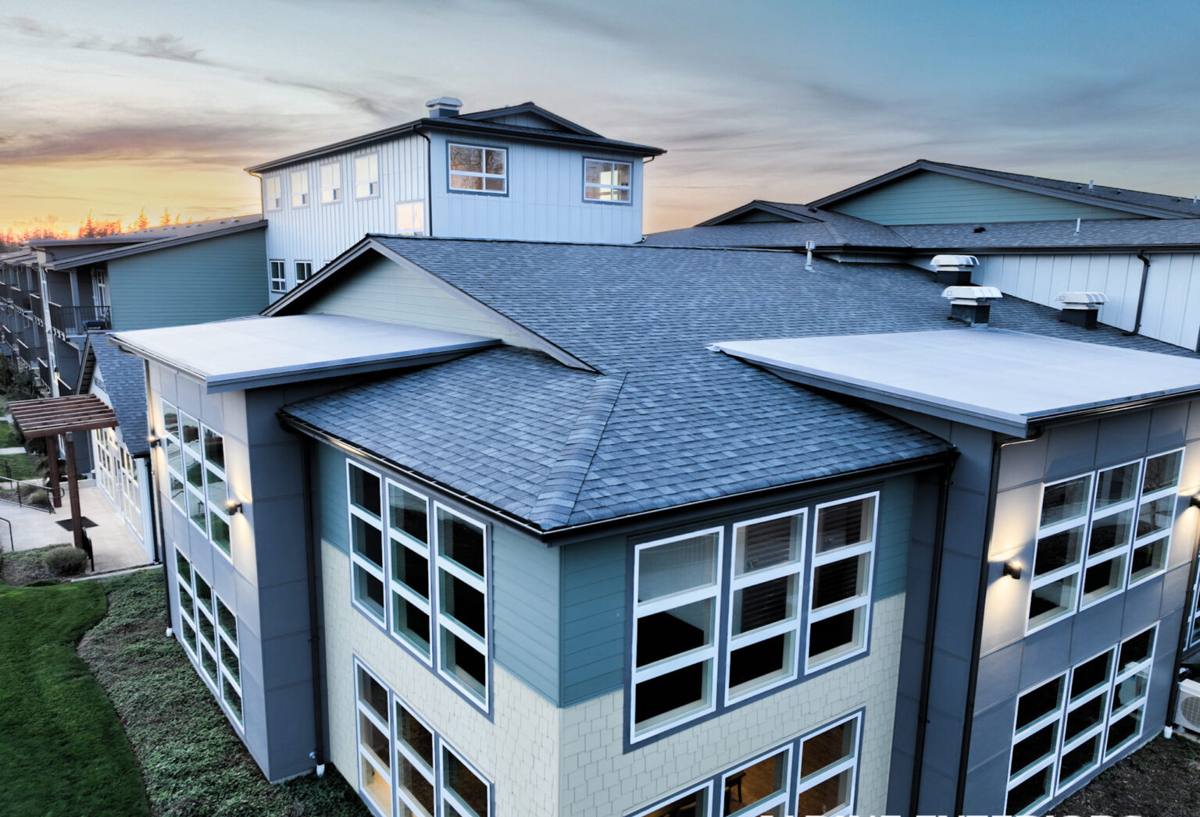
What Bellingham's Climate Does to Siding
Three things drive most of the siding failures we see across Whatcom County, and South Hill gets a heavier dose of at least two of them.
- Salt air: Proximity to Bellingham Bay means airborne salt is a constant, low-grade corrosive force on fasteners, trim, and any siding product without a durable factory finish.
- Driving rain: Wind-driven storms push water sideways into wall assemblies, not just down. Siding that relies on paint film or field-applied coatings to stay watertight starts losing that protection the moment it's installed.
- A long moss season: Cool, wet weather runs from fall through spring here, and shaded, elevated lots like many in South Hill stay damp longer than exposed, low-lying ones. Moss and algae take hold on porous or textured surfaces and hold moisture against the siding face.
None of these are exotic problems — they're just the baseline conditions any siding installed on South Hill has to handle, year after year, without a homeowner having to think about it.
Signs a South Hill Home Needs New Siding
Siding failure is rarely sudden. It shows up gradually, and the early signs are easy to write off as cosmetic.
- Paint that's peeling, bubbling, or needing recoating more often than every 8–10 years
- Soft spots, especially near the bottom courses, around window trim, or at inside corners
- Visible swelling, delamination, or a "puffy" look at seams and edges
- Persistent moss or algae staining that returns within a season of cleaning
- Gaps opening up at butt joints or trim as panels expand and contract
- A musty smell or visible staining on interior walls that back up to exterior siding
Any one of these can be minor on its own. Several together, especially on the shaded or wind-exposed sides of a South Hill home, usually mean the siding is past the point where caulk and paint will buy meaningful time.
Why We Install Only James Hardie Fiber Cement
We install one siding system: James Hardie fiber cement. We don't install vinyl, LP SmartSide, primed spruce, cedar, or other fiber cement brands, and that's a deliberate standard, not a lack of options.
Fiber cement is non-combustible, which matters in a region where wildfire smoke seasons have become a normal part of the summer, and it holds a factory-applied finish instead of relying on job-site paint to do the work of keeping water out. James Hardie's ColorPlus finish is baked on and warrantied against fading and flaking in a way field-applied paint simply isn't. Their HZ5 product line is engineered specifically for the wet, cool Pacific Northwest climate — including conditions very close to what South Hill sees — with moisture and freeze-thaw performance tuned for this region rather than a national average.
Vinyl expands and contracts more than fiber cement and can warp under sustained heat or impact; it also reads as a lower-cost material even when installed well. LP SmartSide is a wood-strand product with an OSB core — engineered to resist moisture better than raw wood, but still wood-based, which means any breach in its coating gives moisture a path in. Primed spruce and cedar are natural wood products that require ongoing maintenance and are the most exposed to rot, insect damage, and moss growth in a climate like ours. Each of these can be installed correctly and last for years under the right conditions — we're simply not the crew that installs them, because we've standardized on the product we trust to perform, unmaintained through worst-case weeks, on the homes we work on.
What a Correct Installation Actually Involves
Fiber cement performs the way it's supposed to only when it's installed to manufacturer spec. Most siding failures we get called out to inspect trace back to installation shortcuts, not the material itself.
| Installation Factor | Why It Matters on South Hill |
|---|---|
| Weather-resistive barrier and flashing details | Driving rain finds any gap; proper flashing at windows, doors, and penetrations is what actually keeps water out of the wall assembly |
| Correct fastener type and placement | Salt air corrodes the wrong fasteners over time, leading to streaking and loosened panels |
| Minimum clearance from grade, decks, and roof lines | Standing moisture and splash-back accelerate moss growth and edge damage on shaded, elevation-affected lots |
| Proper panel gaps and caulking at joints | Fiber cement moves seasonally; tight or uncaulked joints crack and let water track behind the siding |
| Field-cut edge sealing | Manufacturer finish doesn't cover cut edges — unsealed cuts absorb moisture first and fail first |
Every one of these is a detail a homeowner can't easily verify by looking at the finished wall, which is exactly why the crew doing the work matters as much as the product they're using.
Our Process, Start to Finish
Assessment and Estimate
We walk the exterior, check the condition of the existing siding and the sheathing underneath where accessible, and talk through what's driving the need for replacement — age, damage, moisture intrusion, or just planning ahead. You get a written estimate with no pressure to commit on the spot.
Prep and Moisture Check
Before new siding goes up, we remove the old material and inspect the sheathing and weather barrier. Any rot, soft framing, or hidden moisture damage gets addressed before anything is closed back up — covering a problem with new siding just delays it.
Installation to Spec
Flashing, fastening, clearances, and joint treatment follow James Hardie's published installation guidelines, not shortcuts to save a day of labor. This is the stage where long-term performance is decided.
Final Walkthrough
We review the finished work with you, confirm trim and paint lines are clean, and make sure you understand the warranty coverage on both material and labor before we consider the job done.
Why Hiring a Crew That Knows South Hill Matters
A siding crew that mostly works flat, exposed lots in other parts of Whatcom County may not think twice about grade clearance or shaded-wall moss pressure — because they don't see it as often. South Hill's mix of elevation, tree cover, and wind exposure rewards a contractor who's already made the adjustments: extra attention to flashing on the windward sides, clearance details on shaded walls, and fastener choices that hold up against salt air over decades, not just years. That's the difference between a siding job that looks right at handoff and one that's still performing correctly in year fifteen.
Questions Worth Asking Before You Hire
- Do you install to the manufacturer's published specifications, and can you explain what that includes?
- How do you handle flashing and moisture barrier details around windows and doors?
- What's covered under the material warranty, and what's covered under your labor warranty?
- Have you worked on homes in this specific neighborhood or similar elevation/exposure conditions?
- What happens if you find rot or moisture damage once the old siding comes off?
Cost Considerations for South Hill Homes
We don't quote pricing without seeing the home, but a few factors consistently move the cost of a South Hill siding project up or down: the amount of existing damage or rot that needs repair before new siding goes on, the height and accessibility of the home (steep or elevated lots often need more scaffolding or staging), the amount of trim and detail work around windows and rooflines, and the fiber cement profile chosen — lap siding, panel systems, and shingle-style profiles all price differently. Getting a written, itemized estimate is the only reliable way to compare options honestly.
If your South Hill home's siding is past its best years, or you're planning ahead rather than reacting to a problem, we're happy to take a look and give you a straightforward, no-pressure estimate — just fill out the form below.