 Bellingham Exterior
 Asphalt Shingle Roofing for Sudden Valley Homes
Sudden Valley sits close enough to Lake Whatcom and the surrounding tree cover that its roofs deal with a specific mix of conditions: heavy shade in places, near-constant moisture off the lake and the Puget Sound air moving through Whatcom County, and long stretches of the year where a roof simply doesn't get much chance to dry out. Asphalt shingle roofing remains one of the most practical choices for homes in this area, but only when it's installed and maintained with that climate in mind. A shingle roof that would do fine in a drier part of the state can struggle here if the underlayment, ventilation, and edge details aren't right from the start.
This page covers what we look for on Sudden Valley roofs specifically, what a correct asphalt shingle installation or repair actually involves, and how we run a job from first call to final walkthrough.
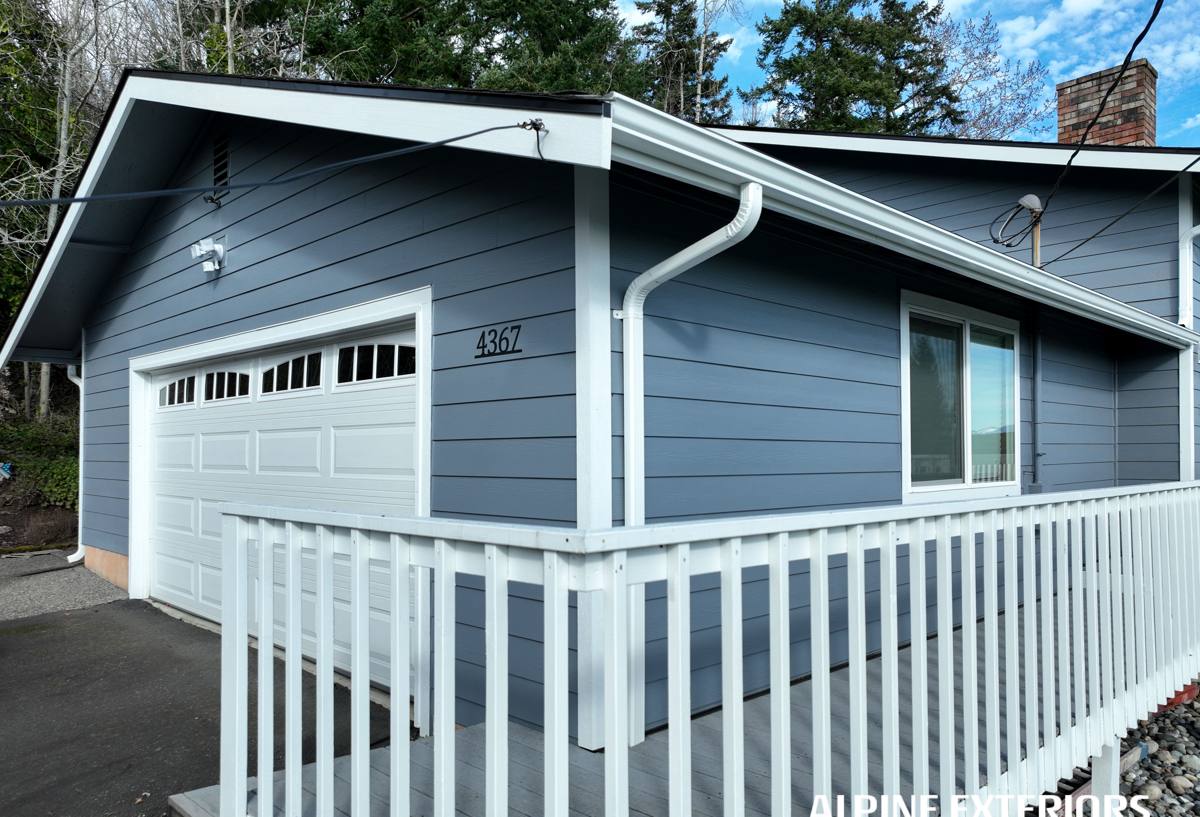
Why Sudden Valley's Climate Is Hard on Roofs
Salt Air and Moisture
Homes closer to the water pick up airborne moisture and salt that accelerates the breakdown of exposed metal fasteners, flashing, and lower-grade shingle granules over time. It's not dramatic damage in any single season, but it adds up year over year, especially on roof faces that don't get direct sun to dry them out.
Driving Rain
Western Washington rain doesn't always fall straight down. Wind-driven rain off the lake and through the valley can push water sideways under shingle tabs, into exposed nail heads, and along poorly sealed valleys and flashing. A roof that's watertight in a light, vertical rain can still leak in a sideways storm if the details underneath aren't done right.
Moss and Shade
The tree cover that makes Sudden Valley attractive also means a lot of roofs get partial shade most of the day. That shade keeps moisture sitting on the shingles longer, which is exactly what moss and algae need to take hold. Once moss establishes itself, it works its way under shingle edges and holds water against the roof deck long after the surrounding area has dried out. Left unchecked over a full moss season, it can lift shingles, hold rot-causing moisture against the deck, and shorten the life of an otherwise sound roof.
What a Correctly Installed Shingle Roof Needs Here
Given those conditions, a shingle roof in this neighborhood needs more than just decent shingles nailed down in the right pattern. The system underneath the shingles matters as much as the shingles themselves.
- A properly lapped, fully sealed underlayment — not just stapled felt, since any gaps become entry points during driven rain
- Ice-and-water shield or equivalent membrane at eaves, valleys, and around penetrations, where wind-driven rain and moss buildup cause the most trouble
- Balanced intake and exhaust ventilation, so moisture from inside the attic doesn't add to what's already coming from outside
- Corrosion-resistant flashing and fasteners, given the salt air exposure closer to the water
- Shingles rated for the wind and moisture exposure typical of this area, installed at the manufacturer's specified nailing pattern and exposure
- Drip edge and starter strip details at eaves and rakes that actually shed water away from the fascia instead of behind it
Skipping any one of these doesn't usually cause an immediate failure. It shows up two, five, or ten years later as a soft spot in the decking, a stain on an interior ceiling, or shingles that granule out and curl years before they should.
Our Asphalt Shingle Roofing Process
1. On-Site Assessment
We walk the roof and the attic where accessible, not just the ground-level view. That means checking current ventilation, looking for existing moss growth or moisture staining on the decking, and noting valleys, penetrations, and any low-slope sections that need extra attention.
2. Honest Scope and Estimate
We tell you plainly whether the job is a repair, a partial re-roof, or a full tear-off and replacement, and why. We don't pad a repair into a replacement, and we don't recommend a repair on a roof that's genuinely past the point where patching makes sense.
3. Tear-Off and Deck Inspection
On a full replacement, we remove existing roofing down to the deck so we can actually see the plywood or sheathing underneath. Any soft, delaminated, or moisture-damaged decking gets identified and replaced before anything new goes down — it's much cheaper to fix at this stage than to cover it up and deal with it later.
4. Underlayment and Membrane Installation
This is where most of the long-term water protection actually happens. Membrane goes down at eaves, valleys, and around every penetration before a single shingle is installed.
5. Shingle Installation
Shingles go down to manufacturer specification for nailing pattern, exposure, and fastener count, matched to the wind exposure typical of this area.
6. Ventilation Check and Correction
We confirm intake and exhaust ventilation are balanced for the attic space, adding or correcting vents where the existing setup is undersized or mismatched.
7. Final Walkthrough
We walk the finished roof with you, cover care and moss-prevention basics specific to a shaded, lake-adjacent lot, and leave you with a clear picture of what maintenance (if any) the roof needs going forward.
Repair, Partial Re-Roof, or Full Replacement?
Not every roof in Sudden Valley needs a full tear-off. The right call depends on the age of the existing roof, how widespread the damage or moss is, and the condition of the decking underneath. Here's a general guide to how we think through it:
| Situation | Typical Approach | What Drives the Decision |
|---|---|---|
| Isolated leak, roof under 10-15 years old | Targeted repair | Localized flashing or shingle failure with sound decking nearby |
| Heavy moss on one shade-heavy section, rest of roof sound | Section repair plus moss treatment | Moisture damage limited to specific area, deck otherwise intact |
| Shingles widely curling, granule loss visible, roof 18-25+ years old | Full replacement | Materials at or past expected service life for this climate |
| Multiple leaks, soft decking found during inspection | Full tear-off and replacement | Underlying structure compromised, patching won't hold |
Cost for any of these depends heavily on roof size, pitch, number of layers currently on the roof, and how much decking (if any) needs replacing — we'll give you real numbers after seeing the roof, not before.
Moss and Long-Term Maintenance
Because Sudden Valley's tree cover and lake proximity make moss an ongoing issue rather than a one-time problem, we build moss resistance into the installation itself where it makes sense — zinc or copper strips near the ridge, for example, can help slow regrowth on shaded slopes. That said, no strip or treatment fully replaces periodic inspection. A roof here benefits from a look-over every year or two, particularly after a heavy moss season, so small issues get caught before they become deck damage.
Simple Signs It's Time to Have a Roof Looked At
- Visible moss or algae streaking, especially on shaded slopes
- Granules collecting in gutters or at downspout outlets
- Shingle edges curling or lifting, particularly along valleys
- Any staining on interior ceilings or in the attic after heavy rain
- Daylight visible through the roof deck from inside the attic
- Fasteners or flashing showing rust or corrosion
Why Hire a Crew That Already Works This Area
A shingle roof installed to a generic spec sheet, without accounting for shade patterns, wind direction off the lake, or the realities of a long moss season, tends to underperform here even if the workmanship looks fine on installation day. Working in Bellingham and throughout Whatcom County means we see how roofs in Sudden Valley actually hold up over years, not just how they look the day they're finished. That informs where we add extra membrane, how we handle ventilation, and what we flag for you as a homeowner before it becomes a bigger problem.
We also know that access and staging can be a factor on some Sudden Valley properties, given the terrain and tree cover common in the area, and we plan crew logistics accordingly rather than treating every job as an identical flat-lot install.
What to Expect When You Reach Out
We start with a straightforward roof assessment, give you a clear explanation of what we found, and provide a written estimate that spells out the scope of work — no vague line items, no pressure to decide on the spot. If a repair is genuinely the right call, we'll say so. If a full replacement is what the roof needs, we'll explain why and what it involves.
If you're dealing with moss buildup, a slow leak, or simply want an honest read on how much life is left in your current roof, we're happy to take a look and walk you through your options with no obligation. Use the form below to request a free estimate.