 Bellingham Exterior
 Window Installation Built for Sehome's Climate
Sehome sits close enough to Bellingham Bay that salt-laden air is part of daily life, and close enough to the hill and the arboretum that shade, moisture, and moss are a near-constant condition on the north and west sides of most homes. Add in Whatcom County's long stretch of driving rain each fall and winter, and you have a climate that is genuinely hard on windows — not because any one storm is dramatic, but because the exposure is relentless and never really stops. A window that is a quarter-inch out of level, or flashed with the wrong lap sequence, will usually hold up fine somewhere dry. In Sehome, that same mistake shows up as a stained sill, a soft spot in the framing, or a drafty room within a few wet seasons.
This page is specifically about window installation for homes in Sehome — not a general overview of window replacement everywhere in Bellingham. The neighborhood's mix of home ages, its hillside exposure, and its proximity to the water all shape what a correct installation actually requires here.
What Sehome's Housing Stock Means for Window Work
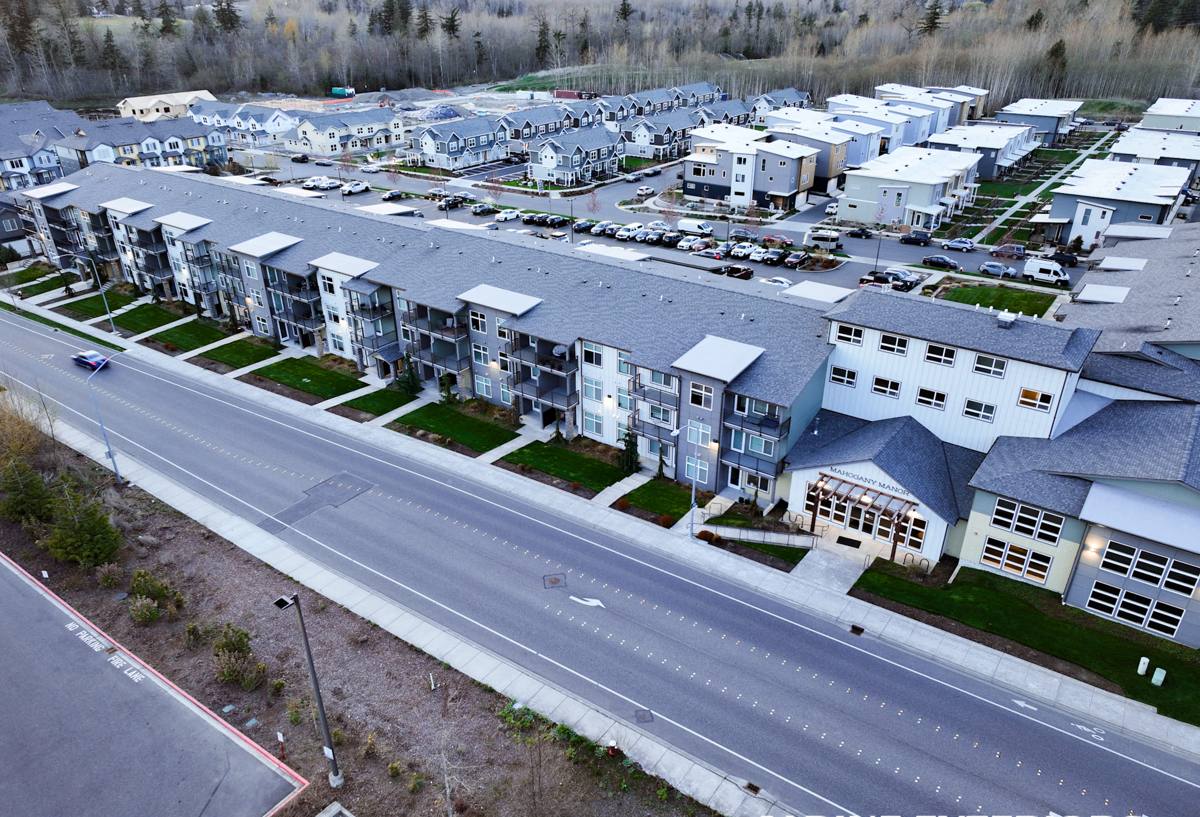
Sehome is one of Bellingham's older, established neighborhoods, with housing that spans early-to-mid-20th-century construction near the university area through several later decades of infill and remodels. That mix matters for window installation in a few practical ways.
Older Wood-Frame Construction
Many homes in this part of Bellingham still have original or early-replacement wood window frames. Decades of moisture cycling — wet winters followed by brief dry spells — can leave the rough opening behind the trim softer than it looks from the outside. Before we ever set a new window, we check that framing, because installing a tight, well-sealed window into a compromised opening just traps the problem behind new trim.
Mixed-Era Remodels
It's common in Sehome to find a house where one wing was updated in the 1990s or 2000s and another section still has the original openings. Window sizes, sill heights, and even wall assemblies can vary from one side of the house to the other. That means measurements and flashing details get worked out room by room, not assumed from a single "standard" opening.
What Correct Window Installation Actually Involves
"Window installation" sounds simple — pull the old one, set the new one — but the work that actually keeps water out over the next twenty years happens in the details most homeowners never see once the trim goes back on.
Careful Removal and Opening Inspection
We remove the old window without tearing up more siding or trim than necessary, then inspect the rough opening for rot, soft sheathing, or old flashing that's failed. Any damaged wood gets addressed before the new window goes in — not covered over.
Flashing and Water Management
This is the single most important part of the job in a climate like ours. Flashing has to be layered correctly — sill pan first, then side flashing, then head flashing — so that any water that gets past the window sheds down and out, not into the wall cavity. In a neighborhood exposed to driving, wind-pushed rain off the bay, a rushed flashing job is the most common reason a "new" window starts leaking within a few years.
Insulation and Air Sealing
The gap between the window frame and the rough opening needs to be filled with the right material — not packed too tight, not left with gaps — and sealed with an appropriate air barrier. Done wrong, this either restricts the window's ability to move with temperature changes or leaves a cold, drafty gap that shows up on the first frosty Whatcom County morning.
Finish Work That Lasts
Interior and exterior trim, caulking, and paint or stain need to hold up to UV, moisture, and the moss growth that's common on shaded elevations. We use sealants and finish approaches suited to Pacific Northwest exposure, not generic products rated for a drier climate.
Choosing Windows for a Salt Air, High-Moisture Climate
There's no single "best" window material for every home — it depends on your home's exposure, your budget, and how much upkeep you want to take on. Here's how the main options generally compare for a Sehome home's conditions.
| Frame Material | Moisture & Salt Air Resistance | Maintenance | General Cost Position |
|---|---|---|---|
| Vinyl | Good — won't rot or corrode, but can discolor over years of UV and salt exposure | Low | Most affordable |
| Fiberglass | Very good — dimensionally stable, holds up well to temperature swings and coastal air | Low | Mid to upper-mid |
| Wood-clad | Good on the exterior-clad side; interior wood needs protection from condensation | Moderate to higher | Higher |
| Aluminum | Prone to condensation and corrosion risk near salt air without thermal breaks | Moderate | Varies |
For most Sehome homes, we lean toward vinyl or fiberglass frames on north- and west-facing walls where moss, shade, and wind-driven rain are heaviest, since those materials shed water without the ongoing sealing and refinishing that wood-clad windows need on exposed elevations. That's a maintenance judgment, not a knock on wood-clad windows — they're a fine choice on more sheltered walls, or for homeowners who want that look and are willing to keep up with it.
Our Installation Process, Start to Finish
Every Sehome project follows the same core sequence, adjusted for your home's specific openings and exposure:
- On-site assessment of existing windows, framing condition, and each opening's exposure to wind and rain
- Precise measurement of every opening — we don't assume uniformity between rooms or additions
- Removal of old windows with attention to protecting existing siding and interior finishes
- Rough opening repair where moisture or rot is found, before any new window is set
- Installation with proper sill pan and layered flashing sequencing
- Air sealing and insulation of the gap between frame and opening
- Interior and exterior trim, caulking, and finish work
- Final walk-through to check operation, seals, and cleanup
We also pull whatever permits the scope of work requires through the City of Bellingham, so the job is documented and inspected correctly rather than done quietly and left as a question mark for a future buyer or appraiser.
Common Problems We Find in Sehome Window Replacements
A few issues come up often enough in this neighborhood that they're worth mentioning directly:
Moss and Trapped Moisture Around Frames
On shaded, north-facing walls near mature trees, moss can establish itself in the gap between old trim and siding, holding moisture against the wood far longer than an open, sunlit wall would. By the time it's visible, there's often soft wood underneath that needs to be dealt with, not just covered.
Failed Caulk and Sealant Joints
Old caulk that looks intact from a few feet away frequently has hairline cracks that let water track behind trim. This is one of the most common sources of a "mystery" leak that homeowners assume is roof-related when it's actually coming in around a window.
Single-Pane or Early Dual-Pane Units
Older Sehome homes sometimes still have original single-pane glass, or early insulated glass units with failed seals (visible as fogging between panes). Beyond comfort and energy costs, these units are usually the weakest point in the wall for both drafts and condensation.
Condensation and Interior Moisture
Persistent condensation on the inside of window glass, especially in bathrooms and bedrooms, is often a sign of an aging or poorly sealed unit struggling against the region's humidity and temperature swings — not just a ventilation issue, though ventilation plays a role too.
Why Hiring a Crew That Already Works in Sehome Matters
Window installation isn't one-size-fits-all, and a crew that mostly works drier, more sheltered parts of Whatcom County will approach flashing and sealing differently than one that installs windows regularly in neighborhoods with this kind of coastal, moss-prone exposure. Working in Sehome specifically means being familiar with:
- How wind off Bellingham Bay drives rain sideways into west- and north-facing walls
- How shade from mature trees and the hillside slows drying time after storms, which affects material choice and detailing
- The mix of older original construction and later additions common in this part of Bellingham, and how that changes rough opening conditions from room to room
- City of Bellingham permitting requirements for window replacement work
That local familiarity shows up less in the sales pitch and more in the flashing detail you never see again once the trim is back on.
Caring for New Windows in a Wet Climate
A correctly installed window in Whatcom County still benefits from some basic upkeep, especially given our long moss season:
- Rinse pollen, moss spores, and salt residue off glass and frames a couple of times a year, more often on shaded walls
- Check exterior caulking annually for cracking or separation, particularly after a hard winter
- Keep gutters and downspouts clear so overflow isn't running down over window heads
- Trim back vegetation that's shading frames and slowing drying time
- Operate and lubricate hardware periodically so mechanisms don't seize from humidity
None of this is difficult, but skipping it is how a well-installed window ends up looking neglected well before its time.
Get a Free, No-Pressure Estimate
If you're dealing with drafty, foggy, or moss-stained windows on your Sehome home, we're happy to take a look and give you a straightforward assessment — what's actually wrong, what your realistic options are, and what it would cost to fix it right. There's no pressure and no obligation. Fill out the form below to schedule a free estimate.