 Bellingham Exterior
 Window Replacement for Columbia Homes in Bellingham
Columbia is one of Bellingham's older, established neighborhoods, and that means a lot of its housing stock is carrying original or first-generation replacement windows that were never built for what this stretch of Whatcom County throws at a house year after year. Salt air off the bay, driving rain that comes in sideways during fall and winter storms, and a moss season that seems to stretch longer every year all work on window frames, seals, and sills in ways that aren't obvious until a homeowner is dealing with fogged glass, drafts, or soft wood around the frame. We work on homes in this neighborhood regularly, and the patterns repeat: it's rarely one dramatic failure and almost always slow, cumulative wear that finally reaches a tipping point.
This page is about window replacement specifically for Columbia — what the local climate does to windows here, what a correctly done replacement actually involves, and how to think about the decision without getting oversold on features you don't need.
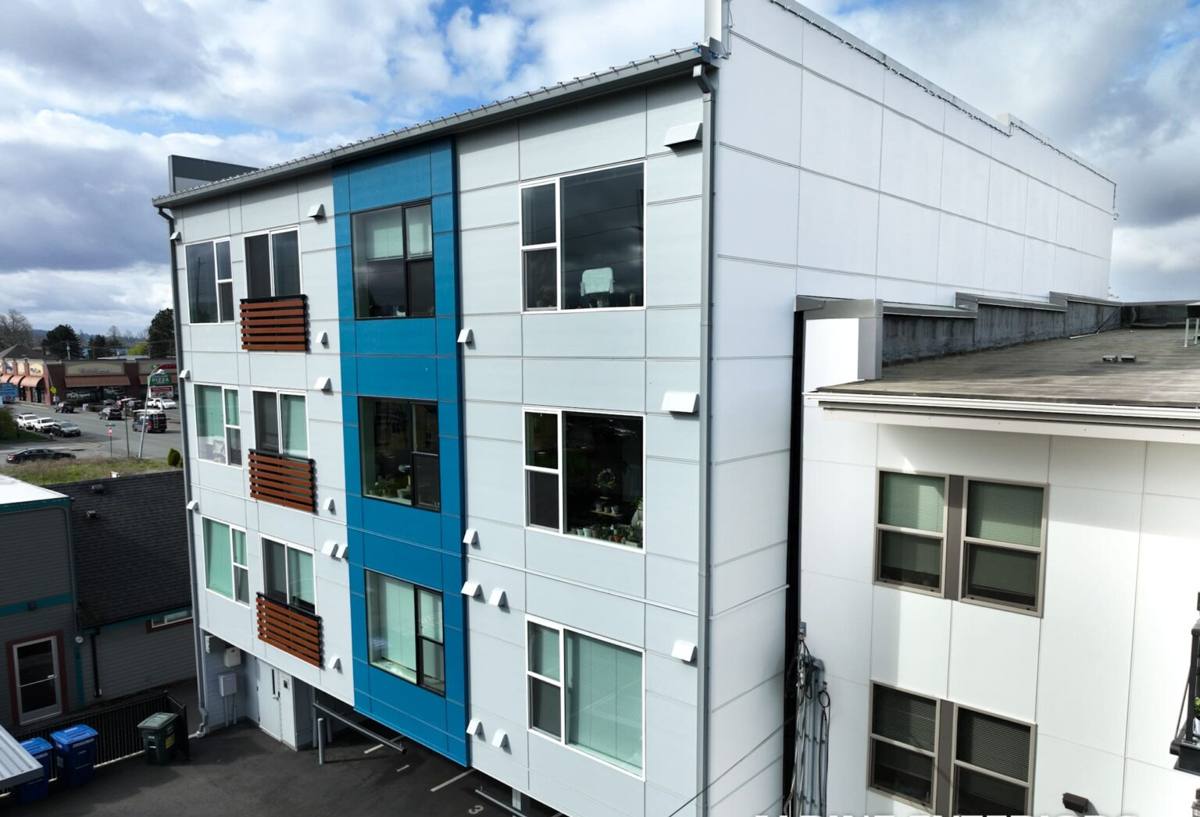
What Bellingham's Climate Does to Windows Over Time
Salt Air and Metal Fatigue
Homes closer to the water pick up salt-laden moisture in the air, and that moisture is hard on aluminum frames, hardware, and unprotected fasteners. Corrosion on hinges, locks, and cranks is often the first visible sign, but the more important damage is usually happening slower and out of sight — at the metal-to-wood or metal-to-vinyl junctions where corrosion can compromise a seal long before it's obvious from inside the house.
Wind-Driven Rain and Seal Failure
Bellingham doesn't just get rain, it gets rain pushed sideways by wind off the water, and that's a different stress than a straight-down downpour. Wind-driven rain finds weaknesses in seals and flashing that would never leak in calmer weather. Older windows, or windows that were installed without proper flashing integration, are especially vulnerable to this — water gets behind the trim or under the sill and doesn't show up as a visible leak until it's already done damage to the framing.
Moss, Shade, and Prolonged Moisture
A long, wet moss season means a lot of homes here stay damp longer than homes in drier climates, especially on north-facing walls or under tree cover. Moss and algae holding moisture against wood trim and sills accelerates rot, and it also traps moisture against window frames in a way that shortens the life of caulking and weatherstripping. It's a slow process, which is exactly why it tends to go unnoticed until the wood is already compromised.
Signs a Columbia Home May Need Window Replacement
Most homeowners don't wake up and decide to replace windows — something prompts the question. Here's what we typically hear about before a first visit:
- Visible fogging or moisture between panes on double-glazed windows (a sign the seal has failed)
- Drafts you can feel near the frame even when the window is fully closed and locked
- Soft, discolored, or spongy wood on the sill, jamb, or exterior trim
- Windows that are difficult to open, close, or lock, especially after painting or in humid weather
- Rising heating bills without a clear cause elsewhere in the home
- Visible gaps between the window frame and siding, or failing caulk lines
- Condensation on the inside of the glass regularly, even in moderate weather
Any one of these on its own isn't necessarily an emergency, but a combination — especially soft wood plus drafts — usually means the window and possibly some of the surrounding framing needs attention.
What a Correct Window Replacement Job Actually Involves
Removal and Honest Inspection
The window itself is only part of the job. Once the old unit comes out, we check the sill, jambs, and header for rot or water damage that wasn't visible from outside. This is the step that gets skipped by crews trying to move fast, and it's the step that determines whether a new window will actually perform well or just look good for a year or two before the same moisture problems resurface.
Flashing and the Moisture Barrier
Proper flashing integration with the house wrap or moisture barrier is what keeps wind-driven rain from getting behind the window over time. This is invisible once the job is finished, which is exactly why it matters — it's the difference between a window that stays dry for decades and one that looks fine but starts leaking internally within a few years.
Installation, Shimming, and Sealing
A window needs to be plumb, level, and properly shimmed so it operates smoothly and seals evenly around its full perimeter. Insulation around the frame, correct interior and exterior sealant, and properly fastened trim all affect both energy performance and long-term water resistance. Rushed installs often look correct from the outside while leaving gaps in the insulation or an uneven seal that shows up as a draft later.
Final Weatherproofing
Exterior caulking, trim work, and paint or finish touch-ups complete the job. On a coastal, wet-climate property, we pay particular attention to the bottom of the frame and any horizontal trim surfaces, since these are where standing moisture does the most damage over time.
Choosing a Window Type for a Columbia Home
There's no single "best" window material — the right choice depends on the home's exposure, budget, and how much upkeep the homeowner wants to take on. Here's how the common options generally compare for a wet, coastal climate like ours:
| Frame Material | Moisture Resistance | Maintenance | Typical Cost Position |
|---|---|---|---|
| Vinyl | Good — won't rot, minimal corrosion risk | Low — occasional cleaning | Lower to mid |
| Fiberglass | Very good — stable in wet/dry cycling, resists warping | Low | Mid to higher |
| Wood (unclad) | Requires diligent upkeep to prevent rot in this climate | High — regular painting/sealing | Mid to higher |
| Wood-clad (vinyl or aluminum exterior) | Good exterior protection if flashing/seals are done right | Moderate | Higher |
| Aluminum | Prone to corrosion near salt air over time | Moderate | Lower to mid |
We generally steer homeowners away from unclad wood on exposures that get direct wind-driven rain or heavy moss shading unless they're committed to a real maintenance schedule, simply because the upkeep burden in this climate is significant. Vinyl and fiberglass tend to be the lower-maintenance choices for most Columbia properties, but the right call always depends on the specific wall, sun exposure, and the look the homeowner wants.
Cost Factors Worth Understanding
Exact pricing depends on window count, size, material, and the condition of the existing framing, but the main cost drivers are consistent from job to job:
| Factor | Why It Affects Cost |
|---|---|
| Frame material | Vinyl is typically the most affordable; fiberglass and wood-clad cost more upfront |
| Existing rot or water damage | Any framing repair needed before installation adds labor and materials |
| Window size and configuration | Larger units, custom shapes, or multi-panel setups cost more than standard sizes |
| Number of windows replaced at once | Doing multiple windows in one project is usually more efficient than piecemeal replacement |
| Access and site conditions | Upper-story or hard-to-access windows take more time and equipment |
We'd rather walk a homeowner through these factors honestly during an estimate than quote a number without explaining what's driving it.
Our Process, Start to Finish
We keep the process straightforward:
- An in-person estimate where we look at the actual windows and surrounding framing, not just take measurements from a photo
- A clear, itemized quote that explains material choice, scope, and what's included
- Scheduling that accounts for weather — we don't want framing exposed during a storm system
- Removal, inspection, and any necessary repair of the surrounding wood before the new window goes in
- Proper flashing, insulation, shimming, and sealing on installation
- A final walkthrough so the homeowner can see and test every window before we consider the job done
Why a Crew That Already Works in Columbia Matters
Window replacement isn't just a product swap — it's a job that has to account for how a specific house, on a specific lot, in a specific microclimate handles wind and water. A crew that already works regularly in Columbia and the surrounding Bellingham neighborhoods has a working sense of which exposures take the worst of the wind-driven rain, which older homes tend to have hidden rot around original wood-frame windows, and how long moss season really runs here compared to what a national install company's schedule assumes. That local familiarity shows up in better prep work and fewer surprises once the old windows come out.
Get a Free, No-Pressure Estimate
If you're noticing drafts, fogged glass, or soft wood around your windows, it's worth having someone take an honest look before those issues spread into the surrounding framing. We offer free estimates for Columbia homeowners with no pressure to commit on the spot — just a clear look at your windows' actual condition and straightforward options for fixing it. Use the form below to get started.