 Bellingham Exterior
 Windows Built for York's Marine Climate
York sits close enough to Bellingham Bay that salt-laden air is part of daily life, and like the rest of Whatcom County, the neighborhood goes months at a time under low clouds and wind-driven rain. Add a moss season that can run from fall through spring on shaded, north-facing walls, and you have a climate that is hard on old or poorly installed windows in ways that drier parts of the country never have to deal with. Frames swell and stick, seals fail early, and condensation shows up between panes long before a window is "old" by calendar years alone.
Energy-efficient windows aren't just about a lower heating bill, though that matters here too. In this climate, efficiency and durability are the same conversation — a window that manages moisture and air infiltration well is also the window that keeps your energy costs down and your walls dry.
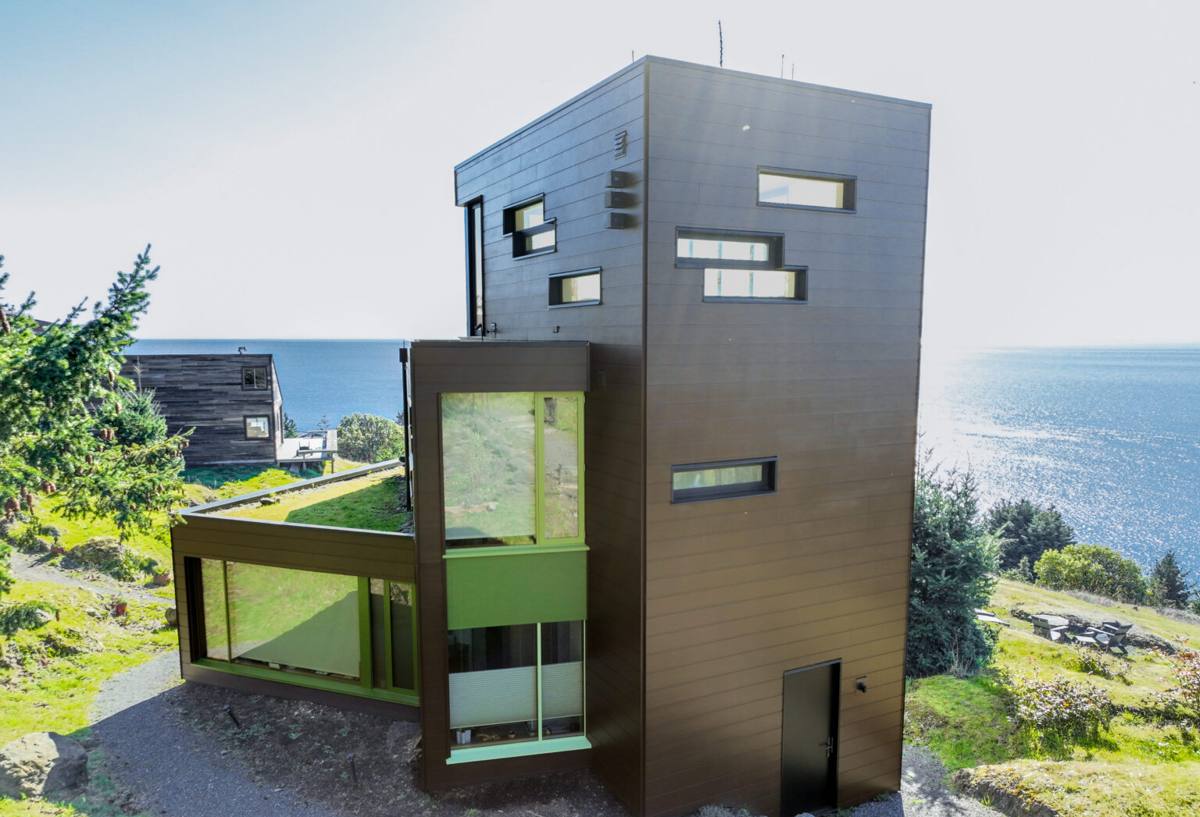
What "Energy-Efficient" Actually Means for a Bellingham Home
U-Factor Matters More Than R-Value Talk
For windows, the number that matters most in our climate is U-factor — how well the whole window assembly (glass, frame, and spacer) resists heat loss. Lower is better. Whatcom County's mild but persistently damp winters mean your windows are rarely fighting extreme cold, but they're fighting near-constant temperature and humidity differential between inside and outside air, which is exactly what drives condensation and heat loss through a mediocre window.
Glass Packages That Handle Our Damp Winters
Most homes in this area do well with a double-pane, Low-E coated unit with an argon or krypton gas fill and a warm-edge spacer. The Low-E coating reflects radiant heat back into the room in winter, the gas fill slows conductive heat transfer, and the warm-edge spacer resists the cold-bridging that causes condensation to form right at the edge of the glass — a common complaint we hear from York homeowners with older aluminum-spacer windows.
Air Infiltration Ratings Deserve Attention Too
A window can carry a great U-factor and still leak air around a poorly fitted sash. In a neighborhood that sees regular wind-driven rain off the bay, air infiltration and water infiltration ratings are just as important as the glass spec — a window that whistles or drafts in a storm is usually also a window that's letting moisture in somewhere.
Signs Your York Home's Windows Are Underperforming
Before recommending replacement, we look for real evidence of failure, not just window age. Common signs we find in this neighborhood include:
- Fogging or a permanent haze between panes — the seal has failed and the gas fill is gone
- Visible condensation or water staining on interior sills, especially on north- or west-facing walls
- Frames that feel cold to the touch or noticeably colder rooms near the window
- Wood frames that are soft, discolored, or show early rot at the bottom corners
- Sashes that stick, won't latch fully, or have gaps you can feel a draft through
- Moss or algae staining building up in the frame tracks or exterior trim
- A noticeable jump in heating costs without any other change to the home
What a Correct Installation Involves
Most window failures we're called out to repair in this area aren't a bad window — they're a window that was installed without proper attention to water management. In a climate with as much driving rain as Whatcom County gets, the installation detail matters more than almost anywhere else in the country.
Flashing and Moisture Management
Every opening needs to be properly flashed so that any water that does get past the exterior cladding is directed back out, not into the wall cavity. This means correctly lapped flashing tape, a sloped sill pan, and careful integration with the existing weather-resistive barrier. Skipping or rushing this step is the single biggest cause of hidden rot behind a window that otherwise looks fine.
Sealing Against Wind-Driven Rain
Caulking the exterior trim is not the same as air-sealing and water-sealing the rough opening. We seal the interior side of the window to control air leakage and condensation, and we seal the exterior separately to shed water — using the right sealant for each, since interior and exterior joints handle moisture differently. Getting this backwards is a common shortcut that shows up as leaks two or three winters later.
Fastening and Squaring
A window that isn't set plumb, level, and square will never seal or operate correctly, no matter how good the unit is. We shim and fasten according to the manufacturer's installation instructions, which is also what keeps the warranty valid if you ever need it.
Choosing a Frame Material for Salt Air and a Long Moss Season
Frame material is one of the biggest decisions in a window project, and the right answer depends on exposure, budget, and how much upkeep you want to take on. Here's how the common options hold up in York's conditions:
| Frame Material | Salt Air / Moisture Resistance | Maintenance | Typical Insulation |
|---|---|---|---|
| Vinyl | Very good — won't corrode or rot | Low; occasional cleaning | Good, with multi-chamber designs performing best |
| Fiberglass | Excellent — very stable in wet, salty air | Low; holds paint well if a custom color is wanted | Very good, and dimensionally stable across temperature swings |
| Wood-clad | Good on the exterior clad side; interior wood needs protection from condensation | Moderate to higher; interior finish needs occasional attention | Very good, with a warmer interior feel |
| Bare Wood | Poor without diligent upkeep in this climate | High; regular painting/sealing required | Good |
We steer most York homeowners toward vinyl or fiberglass for the simple reason that neither one gives moss, mildew, or salt air anything to work with. Bare wood can still be the right call for a historic home where matching the original look matters, but it comes with a maintenance commitment we're upfront about before you commit to it — that's a trade-off we'd rather you understand going in than discover later.
Our Process for a York Window Project
- On-site assessment: We inspect existing frames, sills, and surrounding siding for hidden moisture damage before quoting anything.
- Product selection: We walk through frame material, glass package, and grille or hardware options based on your home's exposure and budget.
- Written estimate: A clear, itemized quote with no surprise add-ons once work begins.
- Old window removal: Careful removal that protects interior finishes and lets us check the opening for any rot or damage before it's covered up again.
- Flashing and sill pan installation: The step that determines whether the window stays dry for the next twenty years.
- Window setting and sealing: Plumb, level, square, and sealed on both the interior and exterior.
- Interior and exterior trim finish: Matched to your home so the new window looks original to the house, not bolted on.
- Final walkthrough: We test operation and locks with you and answer any questions before we consider the job done.
Living With Moss Season and Salt Air After Installation
Even a well-installed, high-quality window benefits from a little seasonal attention in this climate:
- Rinse frame tracks and sills periodically to clear salt residue and organic buildup before it holds moisture against the frame
- Keep gutters and downspouts clear so runoff isn't sheeting down over window heads during heavy rain
- Trim back vegetation or moss growth near shaded window trim so it isn't holding damp against the frame
- Check exterior caulking once a year for cracking or shrinkage, particularly on south and west exposures that see the most weather
- Wipe down interior sills if condensation does form, especially in bathrooms and bedrooms where humidity runs higher
What Affects the Cost of Energy-Efficient Windows in York
Costs vary by project, but the biggest factors we see driving the price up or down are consistent from job to job:
| Factor | Why It Matters |
|---|---|
| Frame material | Vinyl is typically the most affordable; fiberglass and wood-clad cost more upfront but bring different durability and maintenance profiles |
| Glass package | Upgraded Low-E coatings, gas fills, and triple-pane options add cost but improve comfort and efficiency |
| Window size and type | Large picture windows, bays, and custom shapes cost more than standard double-hung or slider units |
| Condition of the opening | Hidden rot or water damage found during removal adds repair work before the new window can go in |
| Number of openings | Whole-house replacements typically bring a better per-window price than one-off jobs |
We'd rather give you an honest range in person after seeing your windows than throw out a number that doesn't reflect your home's actual condition.
Why a Crew That Already Works in York Matters
Bellingham and Whatcom County don't have one uniform microclimate — a home a few blocks off the bay deals with different salt exposure and wind-driven rain than one further inland or up a slope. A crew that already works in York knows which exposures tend to hold moss the longest, which siding types in the area are prone to hidden rot around old window openings, and what a correct install actually needs to hold up through a Pacific Northwest winter. That local familiarity shows up in fewer surprises during the job and a window that's set up to perform for years, not just look good on install day.
If you're weighing whether it's time to replace your windows or just want a straight answer about what's driving a draft or condensation problem, we're happy to take a look. Reach out for a free, no-pressure estimate using the form below.