 Bellingham Exterior
 Asphalt Shingle Roofing Built for Puget's Weather, Not a Showroom
Puget sits close enough to the water that roofs here take a different kind of beating than roofs twenty miles inland. Salt-laden air corrodes exposed metal faster, wind-driven rain finds its way into laps and fasteners that would stay dry in a calmer climate, and the shaded, damp stretches of the property grow moss on a schedule most manufacturers never tested against. A shingle roof that's installed correctly for this environment looks almost identical to one installed for a dry inland town — the difference is in details most homeowners never see until they fail: underlayment choice, fastening pattern, flashing at every penetration, and ventilation that actually clears moisture instead of trapping it.
We work in Bellingham and the surrounding Whatcom County communities regularly, including Puget, so we're not guessing at what this climate does to a roof over time. We're describing what we actually see when we tear off old shingles and look underneath.
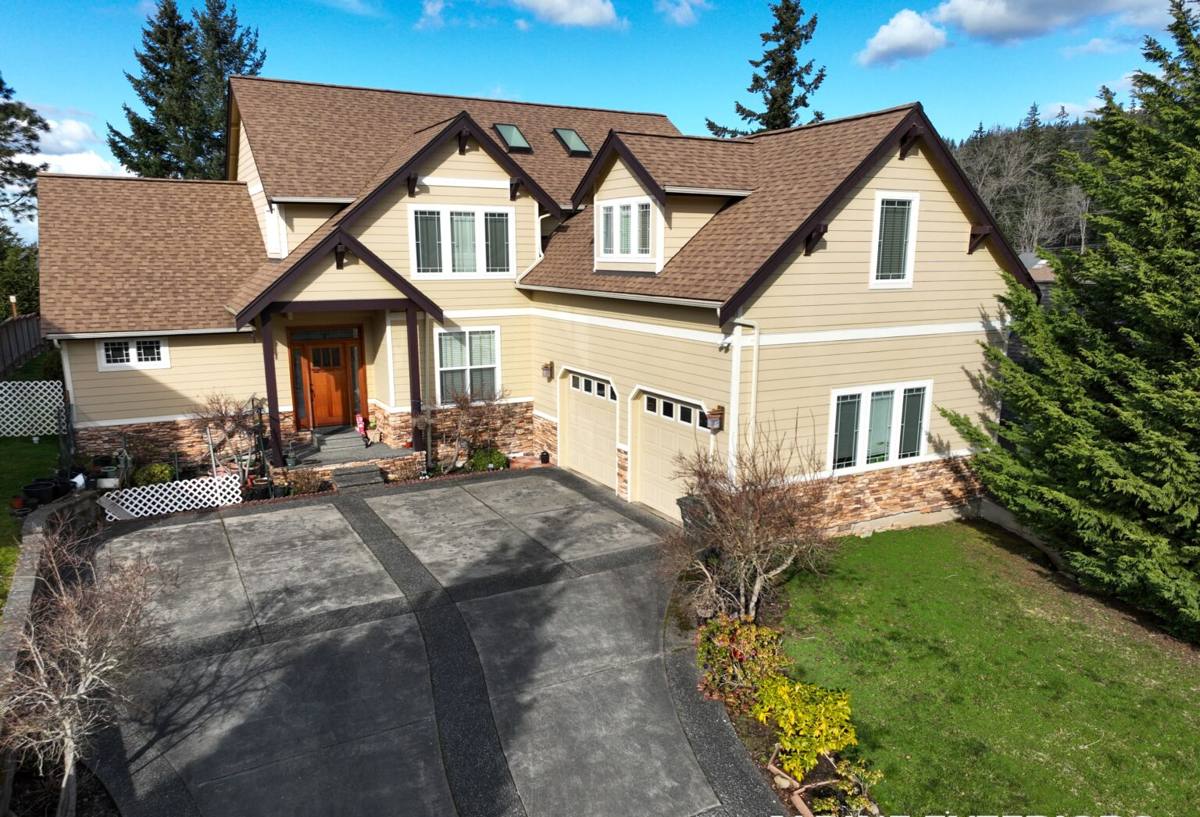
What Puget's Climate Actually Does to a Roof
Salt Air and Corrosion
Proximity to Puget Sound means airborne salt settles on every exterior surface, including the roof. Over years, that accelerates corrosion on exposed fasteners, cheap flashing, and any metal component not rated for a marine-influenced environment. It doesn't ruin shingles directly, but it shortens the life of the metal components that keep water out around chimneys, skylights, and valleys — which are usually the first places a roof actually fails.
Driving Rain
Rain here rarely falls straight down. Storms off the Sound push rain sideways, which means it can work its way up under shingle laps and through fastener holes that would never leak in calmer weather. This is why underlayment and flashing quality matter more here than in drier regions — the field shingles are the visible layer, but the water management system underneath is what actually keeps a house dry during a real windstorm.
A Long Moss Season
Whatcom County's mix of moisture, mild temperatures, and shaded roof areas gives moss a long growing window — often close to year-round on north-facing slopes and anywhere tree cover keeps a roof from drying out between rains. Moss isn't just cosmetic. It holds moisture against the shingle surface, lifts shingle edges as it grows, and accelerates granule loss, which is the layer that actually protects the asphalt from UV and weather.
What a Correct Asphalt Shingle Job Includes Here
A roof that's going to hold up in Puget's conditions needs more than shingles nailed to plywood. Every layer matters:
- Ice-and-water shield or high-quality synthetic underlayment at eaves, valleys, and around penetrations — the backup layer that catches wind-driven rain if it gets past the shingles
- Metal flashing sized and installed for this climate — corrosion-resistant material at chimneys, skylights, sidewalls, and valleys, not just wherever the shingles happen to meet another surface
- Proper fastening pattern — correct nail count and placement matters more in a wind-driven-rain climate than people expect; under-nailed shingles are one of the most common causes of early failure we find on tear-offs
- Balanced attic ventilation — intake at the eaves and exhaust at the ridge, sized to the attic volume, so moisture and heat don't get trapped under the deck
- Starter strip and ridge cap installed to spec — these are the first and last lines of defense against wind uplift, and they're often where corners get cut on lower-quality installs
Our Process, Start to Finish
1. Roof Assessment
We walk the roof, check the attic from the inside for moisture staining or ventilation problems, and look at flashing condition around every penetration. We tell you honestly whether you need a full replacement, a repair, or just maintenance — we don't upsell a tear-off when a repair will genuinely hold.
2. Tear-Off and Deck Inspection
We remove the old roofing down to the deck rather than layering over it. This lets us inspect the plywood or OSB underneath for soft spots, rot, or delamination — problems that are common on older Puget-area homes where a previous roof trapped moisture for years without anyone knowing.
3. Underlayment and Flashing
This is where a roof actually earns its warranty. We install underlayment rated for this climate and flash every penetration with corrosion-resistant metal, not just whatever's cheapest at the supply house.
4. Shingle Installation
Shingles go down to manufacturer spec — correct nail pattern, proper exposure, and starter/ridge details done right. We check wind ratings against what this exposure actually needs, since a roof near open water sees higher sustained gusts than one tucked into a inland neighborhood.
5. Ventilation Check
We confirm intake and exhaust are balanced. An under-ventilated attic in this climate traps moisture, which shows up later as premature shingle aging from underneath — a failure mode that has nothing to do with the shingles themselves and everything to do with what's happening in the attic.
6. Final Walkthrough
We walk the finished roof and the property line with you, point out what we did, and answer questions before we consider the job done.
Choosing a Shingle Line: What Actually Matters Here
Most homeowners get lost comparing shingle brand names. The more useful comparison is what each tier of product actually buys you in a wet, mossy, salt-exposed climate:
| Factor | Standard 3-Tab | Architectural / Laminate | Algae-Resistant (AR) Cap |
|---|---|---|---|
| Wind resistance | Lower rating, more vulnerable to uplift in gusts off the Sound | Higher rating, better suited to exposed lots | Same as base product; AR is a coating, not a structural upgrade |
| Moss/algae resistance | None built in | None unless specified as AR | Copper or zinc granules resist algae and slow moss growth |
| Expected lifespan in this climate | Shorter — more exposed to granule loss from moss and rain | Longer, thicker profile sheds water better | Extends visible lifespan by keeping moss/algae from taking hold |
| Upfront cost | Lowest | Moderate | Small premium over standard architectural |
For most homes in Puget, we recommend an architectural shingle with an algae-resistant cap. It's not the cheapest option, but in a climate with this much moisture and shade, it's the one that actually keeps a roof looking and performing the way it did on install day for longer.
Moss: Prevention Matters More Than Removal
Once moss is established, removal always carries some risk of granule loss — scraping it off pulls at the shingle surface. The better strategy is preventing it from taking hold in the first place:
- Zinc or copper strips installed near the ridge let rain carry trace metal down the roof, which discourages moss growth on the slopes below
- Keeping overhanging branches trimmed back reduces shade and debris buildup, both of which extend how long a roof stays damp after rain
- Clearing debris from valleys and gutters regularly prevents the standing moisture that gives moss a place to start
- Choosing an algae-resistant shingle from the start reduces how aggressively moss and algae can colonize the surface
If moss is already established on your roof, we can talk through safe removal options during an inspection rather than guessing over the phone.
Repair, Recover, or Replace?
Not every roof in Puget needs a full replacement. The right call depends on the deck condition, how widespread the damage is, and how much life is left in the existing shingles.
- Repair makes sense when damage is localized — a few damaged shingles, a flashing leak at one penetration, or storm damage limited to one section
- Recover (installing new shingles over an existing single layer) is rarely something we recommend in this climate, since it traps moisture between layers and hides deck problems — we'll tell you if your roof is a candidate, but we're upfront that it's usually a short-term fix
- Replace is the right call when the deck needs inspection, the shingles are past their service life, or moisture damage has already spread beyond a single area
Why a Crew That Already Works Puget Matters
A roofing crew that mainly works dry inland regions doesn't think about wind-driven rain, salt exposure, or moss the same way a crew that works this specific stretch of Whatcom County does. It shows up in small decisions — how tightly flashing is sealed, whether ventilation gets sized for real moisture load instead of a generic rule of thumb, whether the fastening pattern accounts for gusts coming off open water. None of those decisions are visible from the ground, and none of them show up until years later when the roof either holds up or doesn't.
We're not asking you to take our word for the weather — Bellingham's climate is well known, and anyone who's owned a home here for a few winters has already seen what moss and driving rain can do to a roof that wasn't built for it. What we bring is a process that accounts for it from the first layer down, not just at the shingle you can see.
Get a Straight Answer on Your Roof
If you're not sure whether your Puget-area roof needs a repair or a full replacement, we're happy to take a look and give you an honest answer — no pressure, no upsell. Request a free estimate using the form below and we'll get back to you with next steps.