 Bellingham Exterior
 Why Puget's Climate Changes the Metal Roofing Conversation
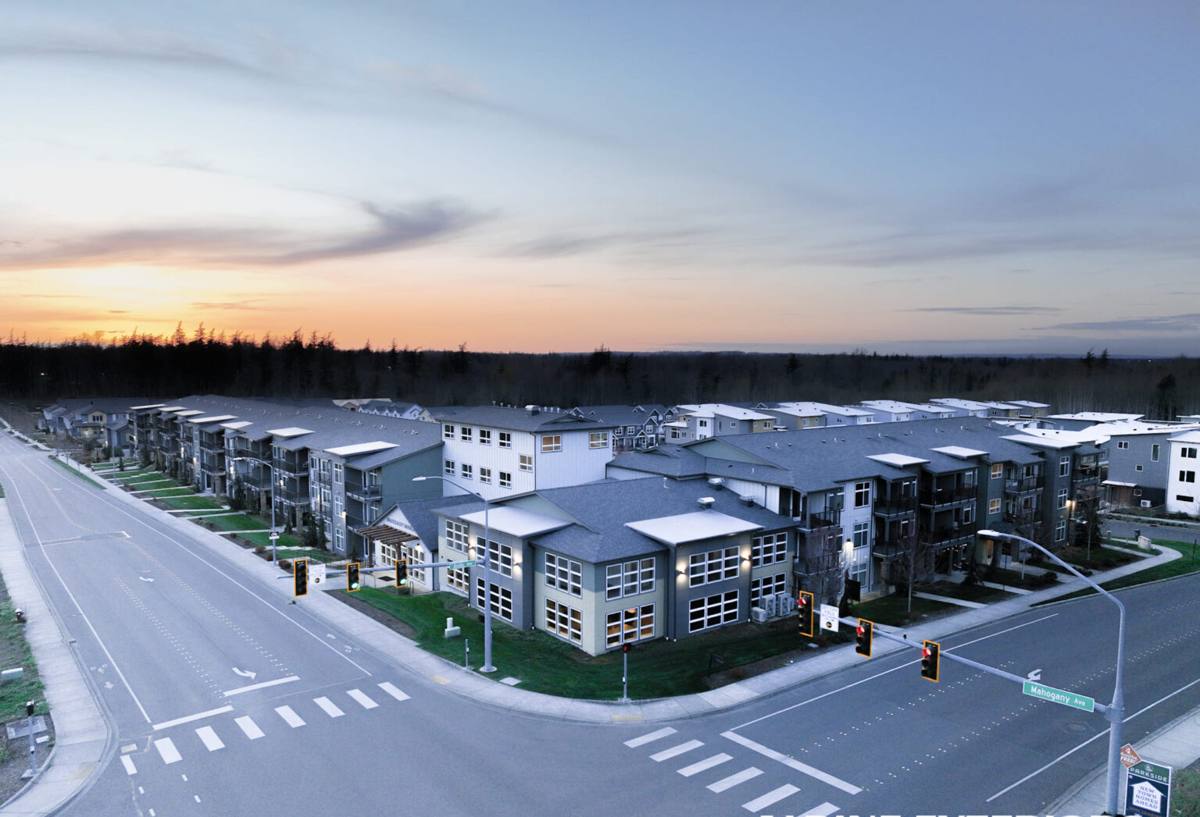
Puget sits close enough to the water that salt-laden air is a daily fact of life, not an occasional weather event. Add Whatcom County's long wet season, near-constant humidity, and the shade from mature evergreens that keeps roof surfaces damp for days after a storm passes, and you have a set of conditions that will find every weakness in a roofing system within a few winters. Metal roofing can handle this environment better than almost anything else on the market, but only when it's specified and installed with this specific climate in mind. A metal roof detailed for a dry inland town is not the same job as a metal roof detailed for a home three blocks from Bellingham Bay.
This page is about that difference: what Puget homes actually need from a metal roof, what a correct installation looks like here, and why local experience matters more than it does in milder, drier parts of the country.
What Salt Air, Rain, and Moss Actually Do to a Roof
Salt Air and Corrosion
Airborne salt accelerates corrosion on any exposed metal, including fasteners, flashing, and cut edges of panels. It doesn't take a beachfront lot to be affected — wind carries salt spray inland, and Puget's proximity to the water means homes here see more of it than roofs further from the shoreline. The failure point is almost never the roofing panel itself; it's the cheaper hardware, unsealed cut edges, or dissimilar metals in contact with each other that start corroding first and take the rest of the system down with them.
Driving Rain
Wind-driven rain doesn't just fall straight down — it pushes sideways and upward under laps, around penetrations, and into any gap in flashing that wasn't sealed correctly. A roof that sheds water fine in a light drizzle can still leak during a real Pacific storm if the underlayment and flashing details weren't built for wind-driven conditions.
Moss Season
Whatcom County's combination of shade, moisture, and mild temperatures gives moss a long growing season on north-facing slopes and anywhere debris collects. Moss holds water against a roof surface, and on the wrong material that trapped moisture leads to rot, staining, or granule loss. On metal, moss is more of a maintenance nuisance than a structural threat — but only if the roof was installed with enough slope, ventilation, and clean detailing to keep debris from building up in the first place.
Why Metal Roofing Is a Strong Fit for This Neighborhood
Metal roofing doesn't have the maintenance burden that shingle roofs carry in a wet, mossy climate. It doesn't absorb water, it resists moss growth far better than asphalt (moss struggles to root on a smooth metal surface the way it does in shingle granules), and a properly coated panel handles salt exposure for decades without the granule loss or curling that shortens shingle life near the water. It also sheds heavy rain fast, which matters when Puget gets the kind of sideways winter storms that overwhelm slower-draining materials.
None of that is automatic, though. Metal roofing is less forgiving of installation mistakes than shingles — a poorly flashed penetration or an incompatible fastener will show up as a leak or a rust streak years before a comparable shingle mistake would. That's the trade-off: more durability if it's done right, more consequence if it isn't.
Choosing the Right Metal System
Not every metal roofing profile suits a coastal-influenced, moss-prone property the same way. Here's how the common options compare for Puget conditions:
| System | Best For | Salt Air Performance | Moss/Debris Behavior |
|---|---|---|---|
| Standing seam (concealed fastener) | Most Puget homes, especially full re-roofs | Excellent — no exposed fasteners to corrode | Smooth panel sheds debris well; minimal moss anchoring |
| Exposed-fastener panel | Budget-conscious projects, outbuildings, shops | Fair — depends entirely on fastener quality and washer seals | Fastener heads and ribs can collect grit that holds moisture |
| Metal shingle/shake profile | Homes wanting a traditional look with metal durability | Good, if edge and fastener details are done correctly | More surface texture than standing seam, slightly more debris capture |
For most Puget properties we steer homeowners toward standing seam when budget allows, specifically because concealed fasteners remove the single biggest corrosion weak point in a salt-influenced environment. Exposed-fastener systems aren't a bad product, but they demand more disciplined maintenance and a shorter inspection interval here than they would inland.
What a Correct Installation Actually Involves
The panel is the part homeowners see. The parts that determine whether the roof survives Puget's climate for 40-plus years are underneath and around it.
- Underlayment: A high-temp, self-adhered synthetic underlayment rated for the moisture exposure a metal roof sees in this climate, not a basic felt product.
- Fastener and flashing metal compatibility: Matching fastener and flashing alloys to the panel material to prevent galvanic corrosion between dissimilar metals — a common failure point in salt-air environments.
- Sealed cut edges: Every field-cut panel edge coated or sealed, since bare cut steel is where corrosion starts fastest.
- Ventilation: Proper ridge and intake ventilation so trapped moisture under the deck doesn't condense against the panel from below.
- Valley and penetration detailing: Extra attention at valleys, skylights, and vent penetrations, since these are where wind-driven rain finds its way in.
- Slope and drainage: Confirming the roof's slope and drainage path is enough to keep water and debris moving instead of pooling in low spots where moss takes hold.
Our Process on Puget Roofs
We start with an on-site inspection of the existing roof, decking condition, and ventilation — not just a measurement for panels. Because we've worked on homes throughout this part of Bellingham, we already have a sense of which streets and exposures tend to see the heaviest moss buildup and which lots get the most direct wind off the water, and we factor that into the underlayment, fastener, and ventilation specification before we ever order material.
From there: tear-off and deck inspection (repairing or replacing any rotted sheathing before anything new goes down), underlayment installation, panel installation with manufacturer-specified fastening patterns, flashing and penetration detailing, and a final walk-through covering care and what to watch for in the first few wet seasons.
Maintenance That Actually Matters Here
Metal roofing is low-maintenance compared to shingles, but "low" isn't "none" in a climate like this. A few habits go a long way toward getting the full lifespan out of the system:
- Clear overhanging branches and debris that shade the roof and feed moss growth.
- Rinse off accumulated grime or organic buildup once or twice a year, especially on shaded slopes.
- Check gutters and valleys each fall before the wet season ramps up — clogged drainage is the most common cause of water backing up under panels.
- Have flashing and sealant points inspected periodically rather than waiting for a visible leak.
Cost Factors to Expect
Metal roofing costs more upfront than asphalt shingles, and the final number depends on several variables specific to the property:
| Factor | Why It Matters in Puget |
|---|---|
| Panel system chosen | Standing seam costs more than exposed-fastener panel but reduces long-term corrosion risk |
| Roof complexity | More valleys, dormers, and penetrations mean more flashing labor and material |
| Deck condition | Moisture damage from a prior roof can mean sheathing repair before panels go on |
| Coating/finish grade | Higher-grade coatings resist salt-air corrosion longer, which matters more here than inland |
| Ventilation upgrades | Older homes often need ridge/soffit vent improvements added during the re-roof |
We give homeowners a broad, honest range during the estimate visit rather than a number pulled from a general price list, because these variables genuinely change the job.
Why It Matters That We Already Work in Puget
A roofing crew that mostly works drier, inland areas will often spec a roof correctly for that climate and under-spec it for Bellingham's marine exposure — using standard fasteners where salt-resistant hardware belongs, or skipping the extra sealing work at cut edges that a coastal-influenced neighborhood needs. Working regularly in and around Puget means we already know what these homes are up against each winter: the wind exposure, the moss patterns, the way certain lots hold moisture longer than others nearby. That local pattern recognition shows up in the details — the fastener spec, the flashing sequence, the ventilation call — long before it would ever show up as a problem on your roof.
Get an Honest Look at Your Roof
If you're weighing metal roofing for a Puget home, we're happy to come take a look, walk you through what your specific roof needs given its exposure and slope, and give you a straightforward, no-pressure estimate. There's no obligation — just a clear picture of what the job actually involves before you decide anything.