 Bellingham Exterior
 Barkley sits close enough to Bellingham Bay and the surrounding wetlands that its homes deal with a specific combination of weather stress: salt-tinged marine air, long stretches of driving rain from fall through spring, and shaded, damp yards that grow moss on almost any horizontal surface left untreated. A deck in this neighborhood isn't just an outdoor living space — it's a structure that has to shed water fast, resist slow moisture intrusion into ledger boards and framing, and stay safe underfoot when it's covered in algae film for half the year. Bellingham Exterior Contractors builds and rebuilds decks in Barkley with all of that in mind, not as an afterthought bolted on after the fact.
Why Barkley's Climate Changes How a Deck Should Be Built
Whatcom County's marine climate means Barkley rarely sees the freeze-thaw extremes of inland regions, but it makes up for that with sheer duration of wetness. A deck here can spend months at a time damp, with only short windows of full drying between storms. That changes the calculus on nearly every material and joinery decision:
- Fasteners and hardware need real corrosion resistance — salt air accelerates rust on anything less than hot-dip galvanized or stainless steel.
- Ledger board attachment to the house has to include proper flashing, because a slow leak behind a ledger is one of the most common causes of hidden rot on decks in this area.
- Board spacing and airflow underneath the deck matter more here than in drier climates — trapped moisture under low-clearance decks is where moss, mildew, and eventually structural decay take hold first.
- Shaded yards (common in the tree-lined parts of Barkley) need decking and finishes chosen with moss resistance and traction in mind, not just looks.
None of this is exotic engineering — it's disciplined, correct building practice applied consistently, which is exactly where a lot of decks in this area start to fail: not from one big mistake, but from small shortcuts that don't show themselves for a few wet seasons.
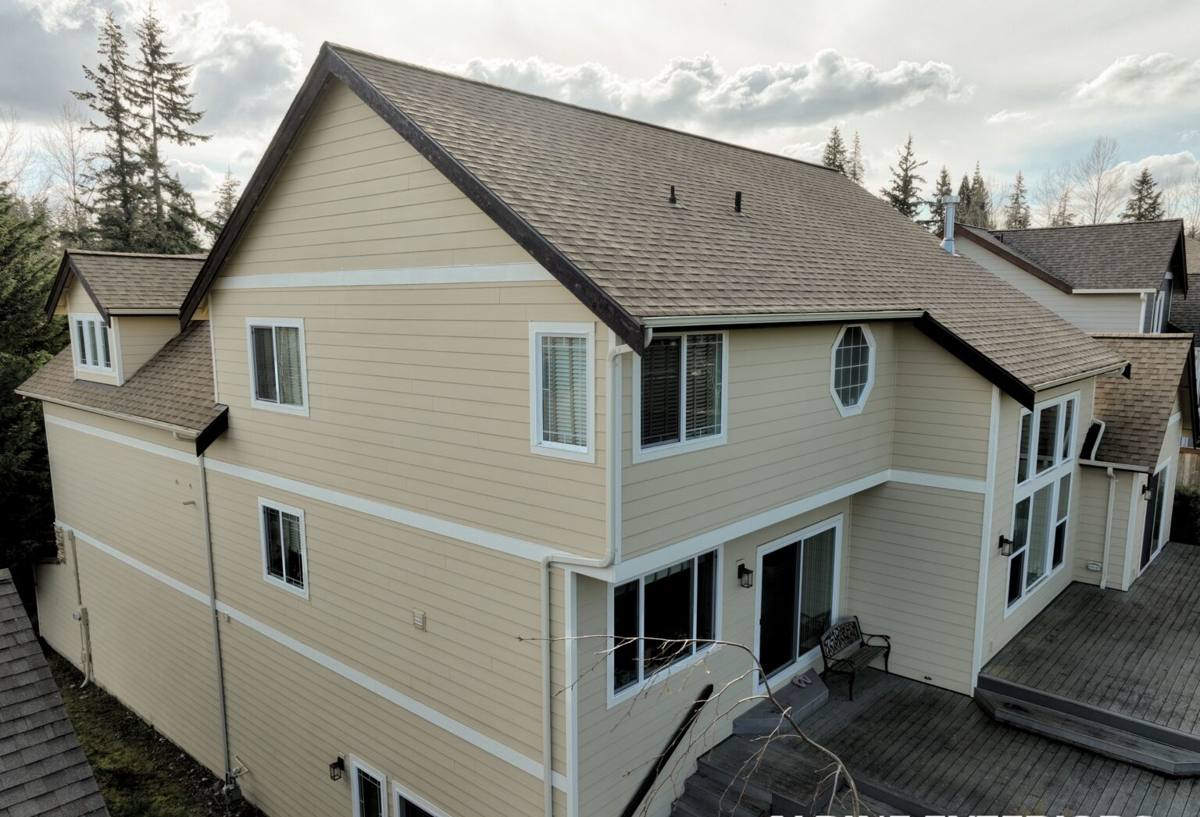
What a Correctly Built Deck Looks Like Here
Framing and Structure
Pressure-treated framing lumber rated for ground contact where posts meet soil, proper joist hangers sized to the actual joist (not just "close enough"), and post bases that keep wood off standing water are the baseline, not upgrades. In Barkley's damp soil conditions, we also pay close attention to footing depth and drainage around posts so water doesn't pool against buried structural members.
Ledger Attachment
Where the deck ties into the house is the single highest-risk connection point on the whole structure. It needs mechanical fasteners rated for the load (not just nails), flashing that directs water out and away from the house sheathing, and a gap or flashing detail that keeps the ledger from sitting wet against the siding. This is the detail we see done wrong most often on decks we're asked to repair or rebuild in this neighborhood.
Decking Material
Homeowners in Barkley generally choose between a few paths, each with real tradeoffs:
| Material | Moisture/Moss Behavior | Maintenance | Typical Lifespan |
|---|---|---|---|
| Pressure-treated wood | Absorbs moisture; needs sealing to resist moss and graying | Annual cleaning, periodic re-staining/sealing | 15-20 years with upkeep |
| Cedar | Naturally rot-resistant but still absorbs surface moisture; can develop moss in shade | Regular cleaning and re-oiling for appearance and grip | 20-25 years with upkeep |
| Composite decking | Doesn't rot, but surface film/moss can still form and needs washing | Periodic washing, no staining/sealing required | 25-30+ years, varies by product warranty |
There's no universally "correct" choice — it depends on budget, how much upkeep a homeowner wants to do, and how shaded the specific lot is. What matters more than the brand name on the decking is whether the substructure underneath is built to drain and breathe properly, because that's what determines whether the visible surface actually lasts as long as its warranty suggests.
The Moss Problem, Specifically
Moss on a deck isn't just cosmetic — it holds moisture against the wood or composite surface and creates a slick, genuinely dangerous walking surface, especially on stairs. Barkley's tree cover and marine humidity make moss growth close to unavoidable on decks that don't get much direct sun, but the rate at which it takes hold is heavily influenced by how the deck was built:
- Boards spaced correctly for drainage dry out faster between rain events than boards installed too tight.
- Adequate under-deck clearance and ventilation reduces the damp, shaded microclimate moss thrives in.
- Surface finishes with mildewcide additives slow regrowth compared to bare or poorly sealed wood.
- Gutter and downspout placement near the deck matters — runoff dumped directly onto or under a deck accelerates moss and rot regardless of what the deck itself is built from.
We factor moss exposure into the build itself, not just as a "clean it yearly" afterthought, because a deck designed with drainage and airflow in mind needs far less aggressive maintenance to stay safe and good-looking.
Salt Air and Hardware Corrosion
Barkley isn't oceanfront, but it's close enough to Bellingham Bay that salt-laden air reaches yards here, especially on windier days. Over years, that air quietly corrodes standard fasteners, cheap post bases, and untreated metal railings from the inside out — often invisibly until a connection actually fails. We use hardware rated for coastal or wet-climate exposure (hot-dip galvanized or stainless, depending on the application) as standard practice on Barkley builds, not as an upsell. It costs more upfront than mild-steel hardware and is one of the cheapest insurance policies against a structural callback five or ten years down the road.
Our Process for a Barkley Deck Project
1. On-Site Assessment
We walk the actual lot — sun exposure, drainage patterns, grade, proximity to the house's siding and roofline, and any existing deck or structure being replaced. Shade patterns and drainage vary block to block in this neighborhood, so we don't design off a generic template.
2. Design and Material Selection
We talk through decking material, railing style, and layout with the homeowner's budget and maintenance appetite in mind, and we're upfront about the tradeoffs in the table above rather than steering toward whatever's easiest for us to install.
3. Permitting
Most new decks and many substantial rebuilds in the City of Bellingham require a building permit, particularly for structures above a certain height or attached to the house. We handle that process as part of the job so homeowners aren't navigating it alone.
4. Build
Footings, framing, ledger flashing, decking, and railing are installed in sequence with inspections at the structural stages that require them. We don't skip flashing details or substitute fastener grades to save time.
5. Walkthrough
Before we consider the job done, we walk the finished deck with the homeowner, point out any maintenance items specific to their material choice, and answer questions about care going into the wet season.
Repair, Rebuild, or New Build — How to Tell Which You Need
Not every deck problem in Barkley calls for a full rebuild. Common signs and what they usually mean:
- Soft or spongy boards in isolated spots: often localized rot — sometimes repairable by replacing affected boards and joists if the rest of the structure is sound.
- Persistent moss no amount of cleaning fixes: usually a drainage or airflow problem in the design, not just a cleaning frequency issue.
- Rust staining or loose railings: hardware failure, which can sometimes be corrected by upgrading fasteners without replacing the whole structure.
- Sagging or bouncy sections near the house: often a ledger board or flashing failure — this one needs prompt attention, since it's a structural connection point.
- Deck older than 20-25 years with no major upgrades: frequently more cost-effective to rebuild than to keep patching, especially if it predates current fastening and flashing standards.
We'll give an honest read on which category a given deck falls into rather than defaulting to "replace it" when a repair would genuinely hold up.
Why a Crew That Already Works Barkley Matters
A deck built to a generic national spec sheet can still fail early in a Pacific Northwest marine climate if it doesn't account for how long this area actually stays wet each year. Crews that work Barkley and the surrounding Bellingham neighborhoods regularly know the specific failure patterns to design around — where moss takes hold fastest, which ledger and flashing shortcuts actually cause problems here, and how much drainage and airflow a shaded Whatcom County lot really needs versus what a spec sheet assumes for a drier region. That local pattern recognition is the difference between a deck that needs real maintenance attention in year six and one that's still solid at year twenty.
Maintenance Expectations After the Build
Every deck, regardless of material, needs some ongoing care in this climate. A realistic maintenance checklist for a Barkley deck:
- Clear leaves and debris from between boards and off ledger flashing before the fall rains set in.
- Wash the surface at least once a year to slow moss and mildew buildup, more often in heavily shaded yards.
- Re-seal or re-stain wood decking on the manufacturer's recommended cycle — skipping this is the fastest way to shorten a wood deck's life here.
- Check railings and stair connections annually for looseness, which can signal hardware corrosion starting.
- Keep gutters and downspouts near the deck clear so runoff isn't dumping directly onto or under the structure.
If you're planning a new deck, replacing an aging one, or just want an honest assessment of what's going on with a deck that's showing its age, we're glad to take a look. Bellingham Exterior Contractors offers free, no-pressure estimates for Barkley homeowners — use the form below to get started.