 Bellingham Exterior
 Storm Damage Roof Repair for Barkley Homes
Barkley sits close enough to the water and open enough to weather that its roofs take a different kind of beating than roofs a few miles inland. Winter windstorms off the Strait, driving rain that comes in sideways, and the long wet season that follows all put real stress on shingles, flashing, and the wood underneath them. Storm damage here isn't always dramatic — a missing shingle after a big blow is obvious, but a lot of the damage that costs homeowners the most is quieter: lifted tabs, cracked seals, and small flashing gaps that let water in slowly over weeks or months.
This page covers what storm damage repair actually looks like for a Barkley roof, what we check for, and how we handle the work from the first inspection to the final walk-through.
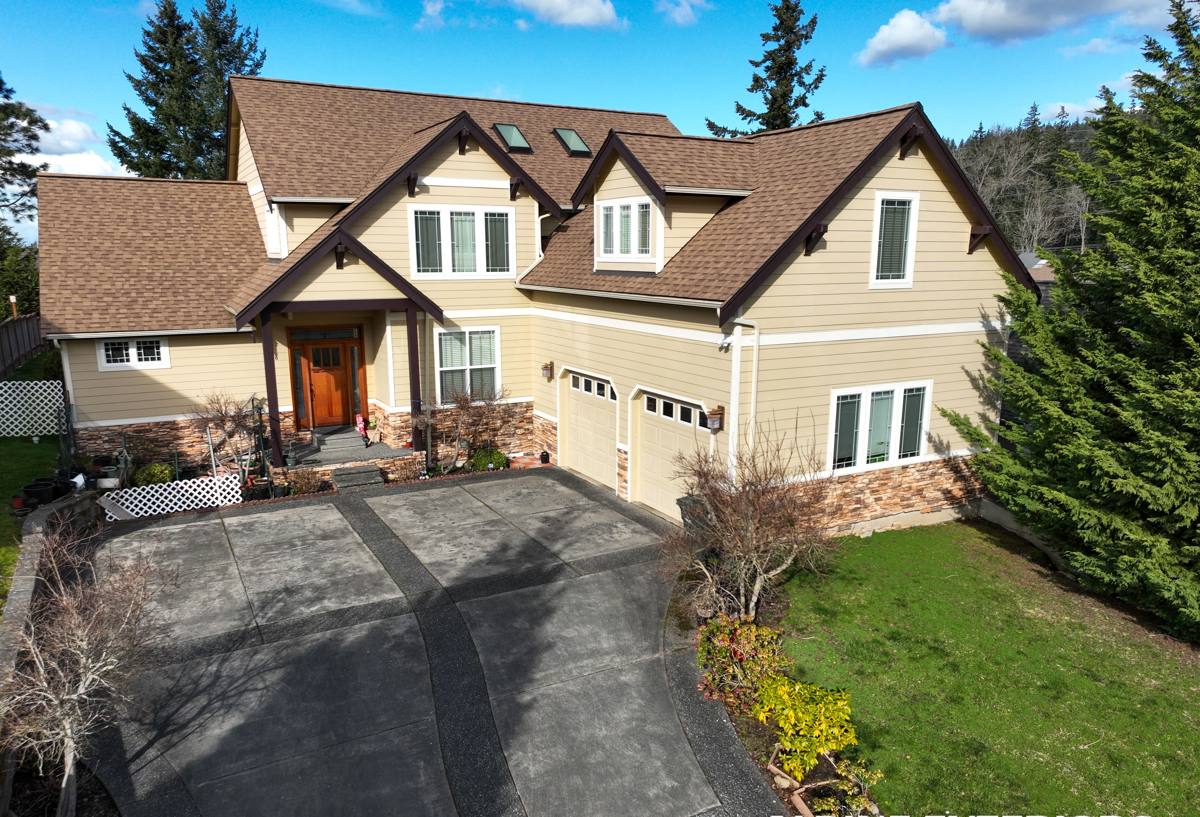
What Bellingham Weather Does to Roofs Over Time
Whatcom County doesn't usually get the kind of catastrophic hail or tornado damage that makes headlines elsewhere. What it does get, reliably, is repetition — storm after storm, wet season after wet season, year after year. That repetition is what wears a roof down.
Wind
Gusts off the Strait of Georgia and through the county can loosen shingle tabs even when nothing visibly blows off. Once a seal is broken, that shingle is vulnerable the next time wind hits it from a slightly different angle, and it can eventually work loose or crack.
Driving Rain
Rain that comes in nearly horizontal during a storm finds its way into gaps that would never leak in a normal vertical downpour — under a lifted shingle edge, around a chimney with aging flashing, or at a valley where debris has built up. This is one of the most common causes of "mystery leaks" homeowners in Barkley call us about after a storm.
Salt Air
Being close to Bellingham Bay means a certain amount of salt-laden moisture in the air, especially with onshore winds. Salt air accelerates corrosion on exposed metal — nail heads, flashing, gutter fasteners — which is part of why we pay close attention to metal condition, not just shingle condition, during a storm damage inspection.
Moss
Bellingham's long, mild, wet stretch of the year is close to ideal moss-growing weather. Moss holds moisture against the roof surface, works its way under shingle edges, and adds weight and friction that makes shingles more likely to lift or tear in the next wind event. A roof with established moss going into a storm is at higher risk than a clean one.
Signs Your Barkley Roof May Have Storm Damage
Some storm damage is obvious from the ground. Most of it isn't. Here's what we look for, and what you can look for yourself before calling us:
- Shingles that look curled, cracked, or torn, or are missing outright
- Granules collecting in gutters or at downspout outlets (a sign of shingle surface wear or impact damage)
- Flashing around chimneys, vents, or skylights that looks bent, lifted, or separated from the surface
- Water stains on interior ceilings or upper walls, especially ones that appeared after a specific storm
- Sagging or soft spots visible from a ladder or noticeable when walking the roof
- Debris — branches, needles, moss clumps — built up in valleys or against roof-to-wall transitions
- Gutters pulling away from the fascia or full of granules and shingle fragments
If you notice any of these after a windstorm or heavy rain event, it's worth getting a roof looked at before the next storm finds the same weak spot.
What a Correct Storm Damage Repair Actually Involves
A lot of storm damage repair calls we get started with a previous "fix" that didn't hold. Usually that's because the repair only addressed what was visible from the ground or from inside the attic, not what caused it. A correct repair starts with figuring out the actual path water took, not just patching the spot where it showed up inside the house.
Full Roof Inspection, Not Just the Damaged Area
Storms rarely damage just one spot. If wind was strong enough to lift or crack shingles in one area, it was strong enough to stress the seals on shingles nearby. We check the whole roof plane, not just the area the homeowner points us to.
Matching the Repair to the Roof's Age and Condition
A ten-year-old roof with otherwise sound shingles is a good candidate for a targeted repair. A roof that's already near the end of its service life, or one where the storm damage exposed underlying issues like rotted decking, may need a bigger conversation about repair versus replacement. We'll tell you honestly which situation you're in.
Checking Flashing and Penetrations
Chimneys, vent pipes, and skylights are where roofs most often leak after a storm, because flashing relies on a tight mechanical seal that wind and years of thermal movement can loosen. We check these every time, whether or not they're the reported source of the leak.
Decking Condition
If water got past the shingle layer, it may have reached the wood decking underneath. Soft, discolored, or spongy decking needs to be replaced before new shingles go down — covering damaged decking with new roofing just hides a problem that will resurface.
Our Storm Damage Repair Process
- Inspection and documentation. We walk the roof (weather permitting) and document what we find with photos, which is also useful if you're filing an insurance claim.
- Honest assessment. We explain what's damaged, what's just worn, and what our recommendation is — repair, partial replacement, or full replacement — and why.
- Written scope and estimate. You get a clear description of the work and materials before anything starts, not a verbal estimate that changes later.
- Repair work. Damaged shingles, flashing, and decking are replaced to match the existing roof as closely as possible. Underlayment is checked and repaired where it was compromised.
- Cleanup and final check. We clear debris, check gutters for granule buildup or damage from the repair itself, and do a final walk-through with you.
Repair or Replace? Weighing the Factors
Not every storm-damaged roof needs to be replaced, and not every roof is a good candidate for another round of patch repairs. Here's how we think through it:
| Factor | Leans Toward Repair | Leans Toward Replacement |
|---|---|---|
| Roof age | Under 12–15 years, otherwise sound | Near or past typical service life for its material |
| Extent of damage | Isolated to one area or a handful of shingles | Spread across multiple roof planes |
| Decking condition | Solid, no soft spots found | Rot or moisture damage found in multiple areas |
| Repair history | First significant repair needed | Roof has needed repeated storm repairs in recent years |
| Moss/algae condition | Minimal, easily cleaned | Heavy, long-established growth affecting shingle integrity |
We'll give you our honest read on where your roof falls on this table rather than defaulting to the option that's better for us.
Materials and Why We Choose Them for This Climate
For Barkley's mix of wind, rain, and moss exposure, we favor roofing materials and installation details that hold up to sustained moisture rather than just looking good on a dry day. That generally means asphalt shingle products rated for higher wind resistance, synthetic underlayment (which handles prolonged moisture exposure better than older felt products), and metal flashing components sized and installed to shed water fully rather than rely on sealant alone. Sealant has its place, but we treat it as a backup, not the primary defense against water intrusion — sealant degrades faster than metal or properly lapped shingles, and depending on it as the main barrier is a maintenance burden that catches up with homeowners a few years down the road.
We're also careful about how we tie repairs into existing roofing. A repair with mismatched shingle profiles or poor flashing integration can actually create a new weak point rather than fixing the old one.
Insurance Claims for Storm Damage
Many storm damage repairs in Whatcom County are at least partially covered by homeowners insurance, depending on your policy and the cause of damage. We're not your insurance adjuster and won't promise a claim will be approved, but we can help in practical ways:
- Providing photo documentation of the damage from our inspection
- Writing a clear, specific scope of work an adjuster can review
- Explaining what we found in plain terms if you need to describe it to your insurer
- Doing the repair to match your existing roof once a claim is settled
If you're not sure whether damage is significant enough to file a claim, getting an inspection first gives you real information to make that call rather than guessing.
What to Do Right After a Storm
The days right after a windstorm or heavy rain event matter. Here's a simple checklist for Barkley homeowners:
- Check the attic (if accessible) for new water stains, damp insulation, or daylight showing through the roof deck
- Look at ceilings and upper walls for new discoloration
- From the ground, scan for obviously missing or displaced shingles
- Check gutters and downspouts for blockage from storm debris
- Avoid climbing onto the roof yourself, especially if it's wet or you're not equipped for it — this is where a professional inspection earns its cost
- Take photos of any visible exterior damage for your own records, even before a contractor arrives
- Call for an inspection sooner rather than later — a small gap left through another storm cycle tends to become a bigger repair
Why It Matters to Hire a Crew That Already Works in Barkley
Storm damage repair isn't just about swapping out a few shingles. It's about correctly reading what a specific storm did to a specific roof, in a specific climate, and fixing the actual cause rather than the symptom. A crew that regularly works roofs in Barkley and the rest of Bellingham knows what our storms typically do — where wind tends to catch a roof, how moss builds up through our wet season, and what salt air does to exposed metal over time. That local pattern recognition is part of what makes a repair actually last through the next storm instead of needing to be redone.
If you've had a recent storm come through and want a straight answer about what your roof needs, we're happy to take a look. Reach out for a free, no-pressure estimate using the form below.