 Bellingham Exterior
 Window Installation in Edgemoor Isn't Like Window Installation Everywhere Else
Edgemoor sits close to Bellingham Bay, and that proximity to open water shapes everything about how windows perform there. Homes on or near the bluff take wind-driven rain straight off the water, salt-laden air that eats through poorly protected metal and finishes, and the deep shade from mature evergreens that keeps moss and mildew active most of the year. A window installation crew that treats Edgemoor like any other Whatcom County neighborhood is going to miss details that matter here — flashing choices, frame material, and even where caulk lines get placed all need to account for the marine exposure.
This page is about one job, done right, for this one area: replacing or installing windows on Edgemoor homes so they hold up to the specific punishment this stretch of coastline delivers.
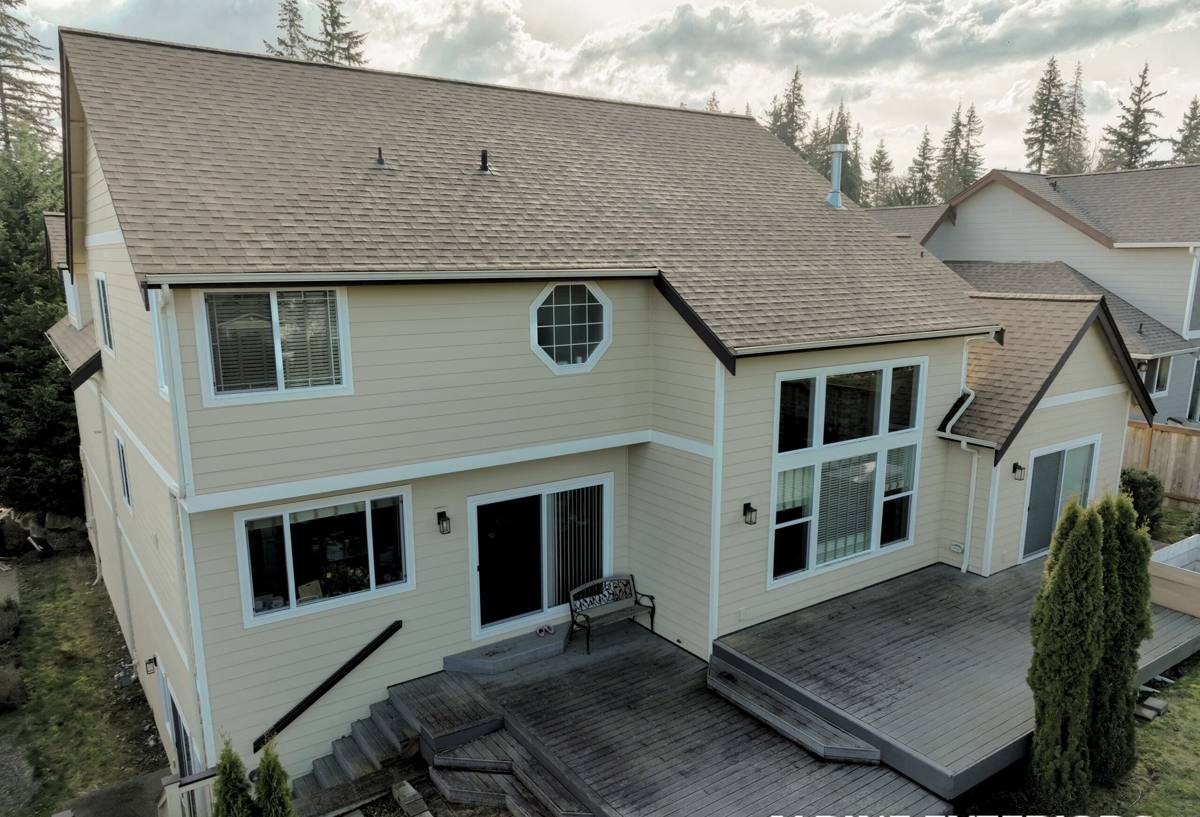
What Bellingham Bay's Climate Actually Does to a Window
It's easy to think of window failure as just "old age," but in Edgemoor the damage usually has a specific cause:
- Salt air corrosion — aluminum hardware, screen frames, and unprotected fasteners near the water corrode faster than the same materials a few miles inland.
- Driving rain — wind off the bay doesn't fall straight down, it drives sideways into wall assemblies, which means flashing and weep systems have to actually work, not just be present.
- Moss and organic growth — shaded, damp sills and lower sashes stay wet longer under tree cover, and moss holds moisture against wood and vinyl surfaces for months at a time.
- Wide seasonal swings — cold, wet winters followed by drier summers stress seals and caulk joints, which is where most leaks eventually start.
None of this means Edgemoor is a hard place to keep windows performing well — it just means the installation has to be done with the marine environment in mind from the start, not patched around later.
Signs an Edgemoor Home's Windows Need Attention
Homeowners in this area usually notice one of a few things before they call:
- Fogging or a hazy film between panes on double- or triple-glazed units (a sign the seal has failed)
- Soft or discolored wood at the sill or lower frame corners
- Persistent moss or black staining on the sill that keeps returning after cleaning
- A draft near the frame during storms, or condensation collecting on the interior trim
- Hardware that's gone stiff, chalky, or visibly corroded
- Rooms that feel noticeably colder near the glass than the rest of the house
Any one of these is worth a look. Several together usually means the window and its surrounding flashing have been compromised for a while, and it's more cost-effective to replace than to keep patching.
What a Correct Window Installation Actually Involves
It's Mostly About What You Can't See
The window unit itself is only part of the job. The work that determines whether a window lasts fifteen years or thirty happens around it:
- Removing and inspecting the opening — checking the sheathing and framing underneath for hidden rot before anything new goes in
- Proper flashing sequencing — sill pan flashing, side flashing, and head flashing installed in the correct shingle-lap order so water sheds outward, not into the wall
- Weather-resistive barrier integration — tying the window flashing into the house wrap correctly so it's part of one continuous drainage plane, not a separate patch
- Insulating the gap — low-expansion foam or backer rod and sealant around the frame, sized correctly so it doesn't bow the frame or leave voids
- Exterior sealant — a marine-grade, UV-stable sealant at the trim joints, since standard caulk breaks down faster under salt air and constant damp
Where Corners Get Cut
The shortcuts that cause callbacks are almost always invisible at handoff: skipping sill pan flashing, caulking a window into an opening instead of properly flashing it, or reusing old, compressed insulation instead of replacing it. It looks fine for the first year or two. In a driving-rain environment like Edgemoor, that's usually when problems start.
Choosing Materials for a Marine Climate
Frame material matters more here than in a dry, inland location. Here's how the common options hold up under salt air and constant moisture exposure:
| Frame Material | Performance Near the Bay | Maintenance |
|---|---|---|
| Vinyl | Good — won't corrode or rot, handles moisture well | Low — occasional cleaning |
| Fiberglass | Excellent — very stable in temperature swings, resists warping | Low |
| Wood (clad exterior) | Good if cladding is intact; exposed wood suffers in this climate | Moderate — watch exposed joints and sills |
| Aluminum | Fair — prone to corrosion and condensation unless thermally broken | Moderate to high near saltwater |
| Solid wood, unclad | Poor for direct bay exposure without diligent upkeep | High — regular refinishing needed |
We don't push one brand or material on every job — the right choice depends on the home's exposure, its existing trim details, and the homeowner's appetite for upkeep. What we won't do is install a bare wood or unprotected aluminum unit on a bay-facing wall without being upfront about the maintenance that choice will demand.
Our Process, Start to Finish
- On-site assessment — we look at the actual exposure of each opening (sun, wind, tree cover, water view) since a north-facing window under fir trees and a south-facing bay-view window on the same house can need different specs.
- Honest scoping — we tell you which windows genuinely need replacement versus which ones just need resealing or hardware service.
- Written estimate — clear line items, no vague allowances.
- Removal and structural check — old units come out carefully so we can inspect the framing and sheathing before anything new goes in.
- Installation — proper flashing sequence, insulation, and sealant as outlined above.
- Interior and exterior finish work — trim, caulking, and cleanup so the job looks finished, not just functional.
- Final walkthrough — we open, close, and lock every window with you before we call it done.
What Window Installation Typically Costs in Edgemoor
Costs vary by window count, size, material, and how much of the surrounding trim or siding needs to be opened up to do the flashing correctly. In general terms:
| Factor | Why It Affects Cost |
|---|---|
| Frame material | Fiberglass and higher-end vinyl cost more upfront than basic vinyl but need less upkeep near the bay |
| Number of openings | Per-window cost drops somewhat on larger multi-window jobs due to shared setup and disposal |
| Hidden rot or damage | Framing repair found during removal adds cost but is far cheaper to fix now than after the next install |
| Access and height | Second-story or bluff-side openings can require additional staging or safety setup |
| Trim and siding disruption | Matching existing trim profiles or siding after the opening is enlarged or repaired adds labor |
We'd rather walk your home and give you real numbers than throw out a broad range that doesn't reflect your actual windows.
Why a Crew That Already Works Edgemoor Matters
A contractor who's worked this specific stretch of Bellingham knows which walls take the worst of the weather off the bay, which older homes in the area tend to have outdated flashing details worth checking, and how the tree cover changes the moisture picture from one property to the next. That's not something you can fully account for from a general Whatcom County estimate — it comes from having done the work here before. It also means faster diagnosis: less time spent figuring out what's going on, more time spent fixing it correctly.
Before You Hire: A Quick Checklist
- Ask what flashing method they use and whether sill pan flashing is included, not optional
- Ask what sealant they use on the exterior trim, and whether it's rated for marine/UV exposure
- Ask how they handle hidden rot or damage found during removal
- Get the warranty in writing — both the manufacturer's window warranty and the contractor's labor warranty
- Ask for a written estimate with materials and labor itemized, not a single lump figure
- Confirm they carry current licensing and insurance for work in Washington State
If a contractor can't answer the flashing and sealant questions clearly, that's worth noticing — those two details matter more than almost anything else in a climate like this.
If your Edgemoor home has windows showing any of the signs above, or you're planning ahead before the next wet season sets in, we're happy to take a look and give you a straightforward, no-pressure estimate. Use the form below to get started.