 Bellingham Exterior
 Edgemoor's Trees and Bay Air Ask More of a Window Than Most Neighborhoods
Edgemoor sits under a heavy canopy of mature fir and cedar, with much of the neighborhood angled toward Bellingham Bay. That combination is part of what makes the area desirable, and it's also what makes windows here work harder than they would elsewhere in Whatcom County. Salt-laden air off the bay works into hardware and finishes over time, driving rain finds any gap in flashing or sealant, and shade from the tree cover means glass and trim on the north and west sides of a house stay damp longer after every storm. In a marine climate, "longer to dry" is the quiet root cause behind most of the rot, fogged glass, and soft trim we get called out to look at.
Energy-efficient windows solve part of that problem by definition — better seals, better glass, better frames — but only if they're specified and installed with this specific setting in mind. A window that performs well on an open, sunny lot inland is not automatically the right pick for a shaded, salt-exposed property near the water, and treating every job the same way is how homeowners end up disappointed five years after a big investment.
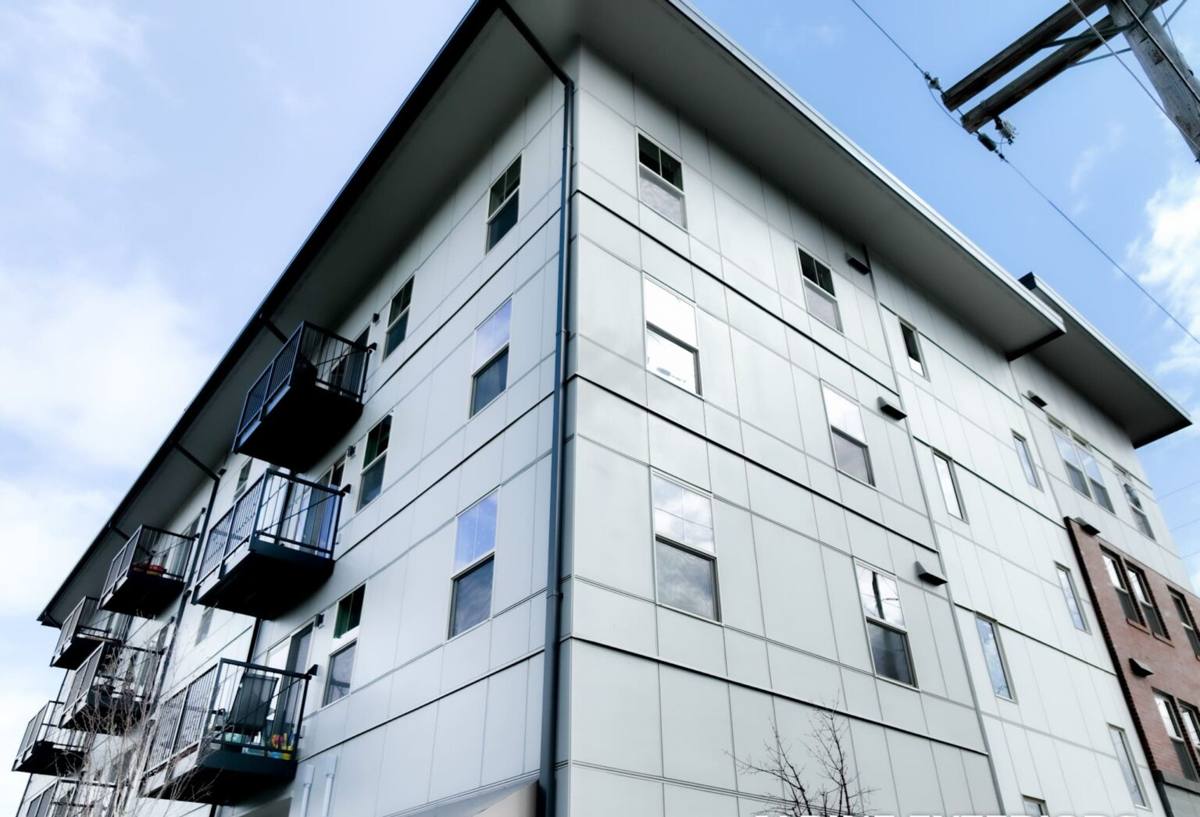
Signs Your Current Windows Are Losing the Battle
Most homeowners don't replace windows because they woke up wanting new windows — they replace them because something is going wrong. On Edgemoor's older housing stock, these are the signals we hear about most often:
- Fogging or a milky haze between the panes of a double-pane window (the seal has failed and the gas fill is gone)
- Visible moss, black streaking, or soft, spongy wood on sills and exterior trim, especially on shaded sides of the house
- A noticeable draft or cold spot near the window even when it's latched shut
- Hardware — locks, cranks, hinges — that's pitted, stiff, or corroded from salt air
- Windows that are difficult to open, close, or lock, often from wood swelling with moisture
- A heating bill that keeps climbing even though nothing else about the house has changed
Any one of these on its own might just need a repair. Several at once, especially on a home with its original windows or a first generation of replacements, usually means the units have reached the end of what caulk and weatherstripping can fix, and it's worth having someone look before a small problem becomes water damage in the wall framing.
What "Energy-Efficient" Actually Means for This Climate
The term gets used loosely in advertising. For a Whatcom County home, what actually matters is printed on the National Fenestration Rating Council label that comes with every legitimate window, and three numbers on it deserve more attention than the marketing copy around them.
U-Factor
This measures how well the window keeps heat inside the house — lower is better. Our winters are mild by national standards but long and damp, and heat loss through old glass is a steady, unglamorous drain on a heating bill for months at a stretch rather than a dramatic one. This is the number we weight most heavily on Bellingham homes, because it's the one that shows up on every utility bill from October through April.
Solar Heat Gain Coefficient
This measures how much solar heat passes through the glass. It matters less under Edgemoor's tree cover than it would on an open, south-facing lot in a sunnier climate — but for the windows that do catch afternoon sun through gaps in the canopy, a moderate rating keeps a room from overheating in July without giving up warmth in January.
Condensation Resistance
This one is underrated. A window with poor condensation resistance will sweat on the interior glass during our cold, wet stretches, and that moisture ends up soaking into the sill and the wall below it. On a shaded, damp lot, that's the difference between a window that lasts and one that starts rotting its own frame from the inside, invisibly, long before you'd notice from the curb.
Frame Materials: What Holds Up in Salt Air and Shade
Frame choice matters more here than it would inland. Salt air accelerates corrosion of metal hardware and fasteners, and shade slows how quickly a frame dries out after every rain — and Whatcom County gives it a lot of rain to work with. Here's how the common options generally compare for a site like this:
| Frame Material | Salt Air / Moisture Behavior | Maintenance | Typical Lifespan |
|---|---|---|---|
| Vinyl | Won't rust or corrode; handles bay-side exposure well | Low — occasional cleaning | 20-30+ years |
| Fiberglass | Excellent — dimensionally stable, resists moisture and salt | Low | 30-40+ years |
| Aluminum-clad wood | Good exterior protection, but performance depends on how well seams and joints are sealed | Moderate — watch cladding seams over time | 20-30 years with upkeep |
| Bare wood | Handsome, but needs consistent upkeep in shaded, damp spots | High — repaint or reseal on a schedule | Varies widely with maintenance |
We're not against wood-frame windows — plenty of Edgemoor homes call for that look, and a well-maintained wood or clad-wood window can last decades. Our standard is to have an honest conversation about the maintenance commitment before installing anything on a shaded, salt-exposed elevation, rather than let a homeowner find out the hard way five years in that a low-maintenance frame would have been the better fit for that particular wall.
Getting the Installation Right Matters More Than the Window Itself
An excellent window installed poorly will fail before a mid-grade window installed correctly. This is the part of the job that never shows up in a brochure, and it's exactly where driving rain off the bay finds its way in if it's rushed or skipped.
Flashing and Moisture Barrier Integration
Every opening gets properly integrated flashing tape and a drainage path, so any water that does get behind the siding has somewhere to go besides the wall framing. This is non-negotiable on the wind-driven-rain side of the house, which in Edgemoor usually means whichever elevation faces the bay.
Shimming, Squaring, and Insulating
A window that isn't shimmed level and square will bind, leak air around the sash, and wear its hardware faster than it should. The gap between the window frame and the rough opening gets insulated correctly — not stuffed with excess foam that bows the frame, and not left hollow where air and moisture can travel.
Exterior Sealant and Trim
The right sealant, applied to a clean, dry surface, in the right places — and never used as a substitute for correct flashing underneath it. Caulk is a second line of defense, not the first, and treating it as the primary barrier is a common shortcut that shows up as a callback a year or two later.
Our Process, Start to Finish
- On-site assessment — we look at each opening, note existing damage, moisture history, and sun and shade exposure, and measure precisely.
- Product selection — we walk through frame material, glass package, and performance ratings against your specific elevations and budget.
- Permitting — straightforward replacements in the same opening size typically don't require a City of Bellingham permit, but we'll flag it and handle the paperwork if your project needs one.
- Removal and prep — old windows come out carefully, and we check the opening for any hidden rot or moisture damage before anything new goes in.
- Flashing and installation — moisture barrier and flashing integration first, then the new window is set, shimmed, and insulated.
- Exterior finish and cleanup — trim, sealant, and a full jobsite cleanup so the property looks better than we found it.
Cost Factors Worth Understanding Before You Get a Number
Every quote is different, but the variables that move the number the most are consistent from job to job:
- Number of openings and their size — a full-house replacement prices differently than three problem windows
- Glass package — double-pane versus triple-pane, low-E coatings, argon fill
- Frame material — vinyl, fiberglass, and wood-clad carry different material costs
- Access and staging — the hillside lots and tree-covered yards common in Edgemoor sometimes need extra care or equipment to move materials safely
- Condition of the existing opening — hidden rot found during removal adds time and material that can't be quoted sight unseen
- Disposal — responsible removal and recycling of old glass and frame material
We'd rather walk you through these factors on-site than throw a broad range at you over the phone. An accurate number requires actually looking at your windows and the openings behind them.
After Installation: What Keeps New Windows Performing Here
New windows still live in the same salt air and shade as the old ones, so a small amount of upkeep protects the investment. Rinsing accumulated salt film off exterior glass and hardware a few times a year, keeping gutters and downspouts clear so runoff doesn't sheet directly across window trim, and trimming back branches that keep a wall in permanent shade all go a long way toward keeping moss and mildew from re-establishing on frames and sills. None of this is complicated, but it's the difference between windows that still look and operate like new at year fifteen and ones that start showing the same problems as the units they replaced.
Why a Crew That Already Works in Edgemoor Is Worth Something
Edgemoor isn't a typical subdivision. Lots are often wooded, sloped, and tucked in among mature trees, which changes how a crew stages materials, protects landscaping, and manages access safely. A contractor who's already worked this neighborhood knows to expect limited driveway space, knows how tree cover affects drying time between install steps, and has a sense for which elevations are going to take the brunt of weather off the bay before they even walk the site.
That familiarity also shows up in smaller, practical ways — recognizing early signs of the same moisture and salt-air issues that show up across the neighborhood, working efficiently around mature landscaping instead of guessing, and giving you a straight answer about whether a repair will hold or a window truly needs replacing. It's the difference between a crew learning your property's quirks on your dime and one that already understands them.
If your windows in Edgemoor are fogging, drafting, or just past their prime, we're happy to take a look and give you a straightforward, no-pressure estimate — use the form below to get started.