 Bellingham Exterior
 Lynden's Climate Puts Real Demands on Exterior Siding
Lynden sits inland from Bellingham Bay, but it doesn't escape the marine climate that defines Whatcom County. Weather systems move in off the Salish Sea and push through the lowlands, carrying salt-tinged, moisture-heavy air across farmland and neighborhoods alike. Add driving rain that comes in sideways during winter storms, long stretches of overcast days, and a moss season that can run from fall through spring, and you have an environment that is genuinely hard on exterior building materials. Siding here isn't just cosmetic — it's the first line of defense against water intrusion, and in this climate it's tested constantly.
Homes in and around Lynden also deal with the temperature swings common to the region: damp, near-freezing winter mornings followed by wetter afternoons, and humid summer stretches that keep moisture trapped against exterior walls longer than homeowners expect. Materials that handle a drier, more moderate climate elsewhere often struggle here. That's the backdrop for every siding decision we make on a Lynden project.
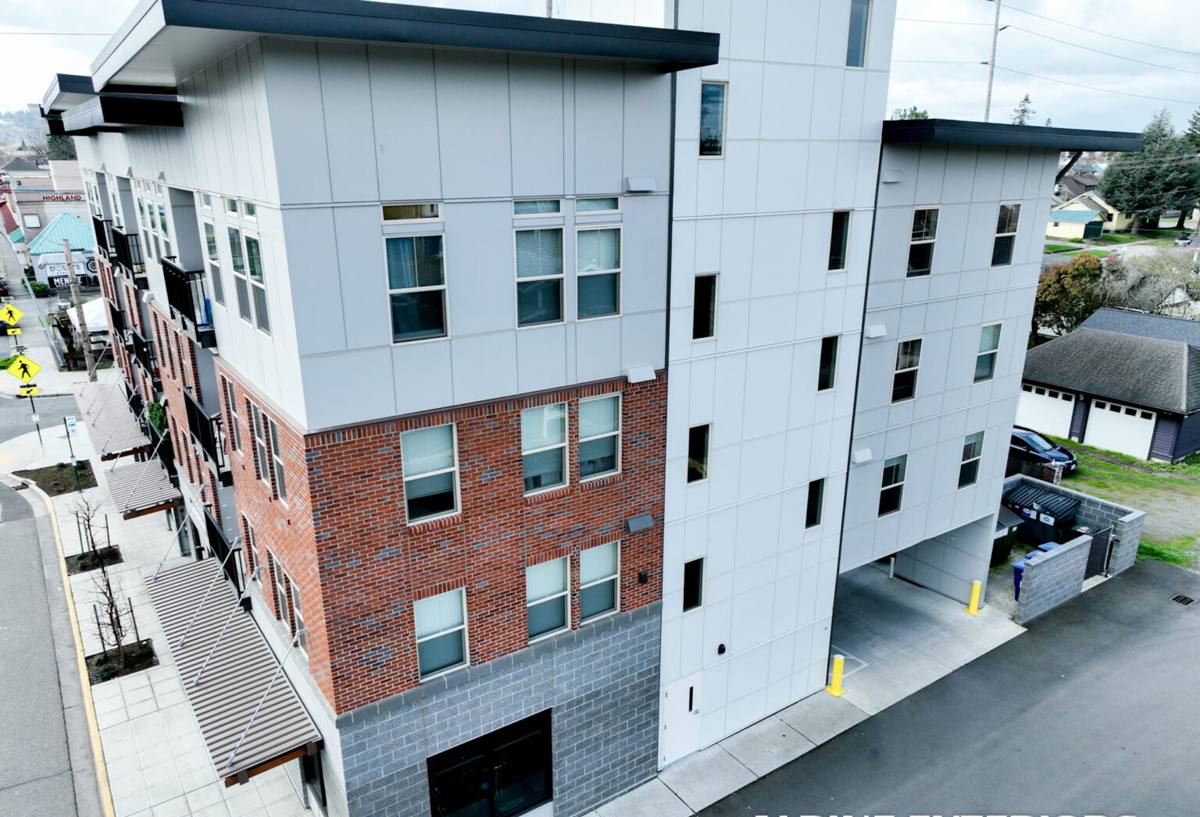
Why We Install Only James Hardie Fiber Cement
We install James Hardie fiber cement siding exclusively. We don't offer vinyl, LP SmartSide, primed spruce, cedar, or other fiber cement brands, and that's a deliberate standard, not a lack of options. Fiber cement is non-combustible, dimensionally stable, and engineered to resist the freeze-thaw and moisture cycling that defines western Washington weather. James Hardie backs its products with a factory-applied ColorPlus finish and a strong transferable warranty, and the company engineers regional HZ product formulations specifically for climate zones like ours.
Other products have real strengths — vinyl is inexpensive and low-maintenance in mild climates, engineered wood siding can look good and install quickly, and cedar has genuine curb appeal. But each carries trade-offs that show up over time in a wet, moss-prone climate: seam and moisture sensitivity, repainting cycles, or warranty structures that don't hold up the way homeowners assume. We'd rather stand behind one product system we trust completely than install several we'd have reservations about.
Comparing Siding Materials for Whatcom County Homes
Homeowners researching siding options in Lynden often ask how fiber cement stacks up against the alternatives. Here's an honest, general comparison based on how these materials typically perform in a marine climate with heavy rain and moss pressure.
| Material | Moisture Resistance | Maintenance | Fire Resistance | Typical Lifespan |
|---|---|---|---|---|
| James Hardie Fiber Cement | High — engineered for wet climates | Low — factory finish holds up for years | Non-combustible | 30+ years with correct install |
| Vinyl Siding | Moderate — seams can trap moisture | Low, but prone to warping/fading | Combustible | 20-30 years |
| Wood/Engineered Wood (LP-type) | Lower — sensitive to edge swelling if not sealed | Higher — repainting, edge treatment | Combustible | 15-30 years, install-dependent |
These are general tendencies, not guarantees — installation quality matters as much as material choice for every option on this list. That's part of why we've narrowed our own offering to the one system we can install to spec on every job.
What Correct Fiber Cement Installation Requires
Fiber cement siding performs the way it's supposed to only when it's installed correctly. In a climate like Lynden's, small installation errors compound over years of rain exposure. Here's what a correct job actually involves.
Moisture Management and Flashing
Before a single board goes up, the wall needs a proper water-resistive barrier and correctly lapped flashing at every window, door, and penetration. Water has to be directed out and down, never trapped behind the siding. This step is invisible once the job is finished, but it's the single biggest factor in whether a siding system holds up through Whatcom County winters.
Fastening, Clearances, and Butt Joints
James Hardie specifies exact fastener types, spacing, and placement, along with minimum clearances from grade, roofing, and decking so water can't wick into the bottom edge of the boards. Butt joints — where two boards meet end to end — need to be sealed or flashed correctly, since a poorly treated joint is one of the most common places moisture gets in on any fiber cement job, regardless of brand.
Caulking, Trim, and Factory-Finish Care
Trim details and caulking joints have to match James Hardie's own specifications, using compatible sealants that won't degrade the factory finish. Cutting, handling, and touch-up painting also follow manufacturer guidelines — done wrong, they can void warranty coverage even on a product installed correctly in every other respect.
Signs Your Lynden Home May Need New Siding
Siding failure is rarely dramatic — it usually shows up as a handful of small warning signs that get worse over a wet season or two. Worth checking for:
- Persistent moss or algae growth that comes back within weeks of cleaning
- Soft or spongy spots when you press on siding near the bottom edges
- Paint that's peeling, bubbling, or chalking heavily, especially on north- and west-facing walls
- Visible warping, buckling, or gaps opening up between boards
- Water stains or discoloration on interior walls near exterior corners
- Siding that's original to a home built more than 25-30 years ago
Any one of these on its own isn't necessarily an emergency, but a combination of two or three is worth a professional look before the next wet season.
Our Process, Start to Finish
Estimate and Product Selection
We start with an on-site walkthrough of the home, checking the condition of the existing siding, sheathing, and trim, and talking through James Hardie's HZ product lines and ColorPlus color options that fit the house and the neighborhood. You get a written estimate with no pressure to sign anything on the spot.
Prep and Installation
Once a project is scheduled, we remove the old siding, inspect the sheathing underneath for hidden rot or moisture damage, and repair anything we find before it gets covered up again. Then we install the water-resistive barrier, flashing, and fiber cement siding to James Hardie's fastening and clearance specifications — not shortcuts, not approximations.
Final Walkthrough and Cleanup
When the installation is complete, we walk the exterior with you, point out the details of the work, and make sure the site is cleaned up before we consider the job done. You get documentation on the warranty coverage so you know exactly what's protected.
Cost Factors for Fiber Cement Siding in Lynden
Every home is different, so we don't publish blanket per-square-foot pricing — but these are the main factors that move a Lynden project's cost up or down.
| Factor | Why It Matters |
|---|---|
| Home size and wall complexity | More corners, gables, and cutouts mean more labor and material waste |
| Existing siding removal and disposal | Tear-off adds time versus installing over new construction sheathing |
| Sheathing or framing repair | Hidden moisture damage found during removal has to be fixed before new siding goes up |
| Product line and profile | Lap, shingle, and panel styles carry different material costs |
| Trim and detail work | Corner boards, window trim, and fascia detail add labor time |
We walk through these factors with every homeowner during the estimate so there are no surprises once work begins.
Why a Crew That Works Lynden Regularly Matters
Siding installation isn't one-size-fits-all across a region. A crew that regularly works Lynden and the surrounding Whatcom County communities has a feel for how local homes are built, how moisture tends to move through this specific climate, and where moss and algae pressure hits hardest — typically shaded north- and west-facing walls near trees and farmland. That familiarity shows up in the details: flashing choices, fastener spacing, and where extra attention to sealing pays off over the life of the siding.
It also matters for accountability. A local crew is easy to reach if a question comes up after the job is done, and has a reputation in the community worth protecting — which tends to show in the quality of the work itself.
Maintaining Your New Siding Through Whatcom County Winters
James Hardie fiber cement is low-maintenance, not no-maintenance. A yearly rinse-down helps keep moss and algae from taking hold, especially on shaded walls. It's worth checking caulking at trim joints every year or two, since sealant is the one component that wears out well before the siding itself. Keep gutters clear and downspouts directed away from the foundation — most siding problems in this region trace back to water that had nowhere to go rather than a flaw in the siding itself. With reasonable upkeep, a correctly installed system should give a Lynden home decades of protection through repeated wet seasons.
If your Lynden home's siding is showing its age, or you're planning ahead for a replacement, we're happy to take a look and put together a free, no-pressure estimate — just fill out the form below.